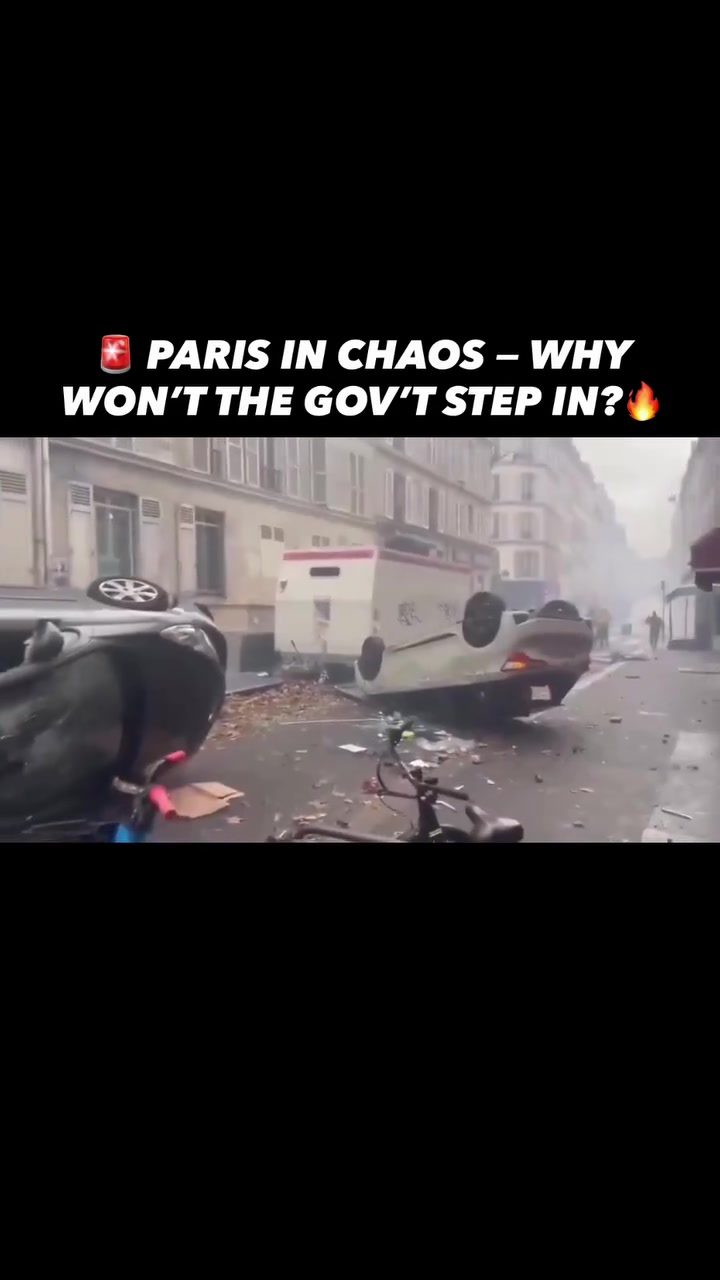
Paris Under Siege: The Unfolding Chaos and Government Response
Paris, once celebrated as the City of Light, is now engulfed in chaos and violence. Multiple districts across the city are witnessing widespread unrest, with citizens terrified and streets ablaze. The French government's inaction has left many questioning the safety of Paris and the effectiveness of the current administration.
Why This Matters
The situation in Paris is not an isolated incident but part of a larger pattern unfolding in Europe's elite cities. This unrest highlights a broader issue: the failure of governments to address escalating social tensions, leading to loss of control and public safety. Understanding the root causes and the government's response is crucial for grasping the current state of affairs in Europe as well as the potential implications for other Western societies.
The Spread of Unrest
Parisian streets are marked by fires and debris, with citizens running for safety amidst the chaos. The scenes of destruction and fear are not confined to a single district; violence is erupting across multiple areas of the city. This widespread unrest indicates a deeply rooted problem that goes beyond simple protests.
The Government's Response
The French government's response to the crisis has been widely criticized as inadequate. Issuing weak statements while the situation spirals out of control has only exacerbated public frustration. The lack of decisive action has left citizens feeling betrayed and vulnerable. Instead of addressing the root causes of the unrest, the government appears more focused on optics, which has done little to alleviate the situation.
A Pattern Repeating
The current unrest in Paris is part of a broader trend in European cities. A pattern of denial, delay, and eventual disaster has become increasingly visible. This pattern suggests a systemic failure in how governments handle rising social tensions and unrest. The events in Paris are a stark reminder of the need for proactive and effective governance in the face of escalating crises.
Impact on Citizens
The impact on citizens is profound. Once a symbol of culture and beauty, Paris is now a city of fear and uncertainty. Citizens are left to fend for themselves in the face of violence and destruction. The erosion of public safety and the government's inability to protect its people have led to widespread dissatisfaction and mistrust.
Context and Causes
The Root Causes
Understanding the root causes of the unrest in Paris is essential for addressing the crisis. While specific triggers may vary, common factors often include economic inequality, political disillusionment, and a sense of marginalization among certain segments of the population. These underlying issues, if left unaddressed, can lead to widespread unrest and social instability.
Economic Inequality
Economic disparity is a significant contributor to social unrest. In Paris, as in many other cities, the gap between the rich and the poor continues to widen. This economic divide fuels resentment and anger, leading to violent protests and civil unrest. Addressing economic inequality through inclusive policies and equitable growth can help mitigate these tensions.
Political Disillusionment
Political disillusionment is another factor driving the unrest. Citizens who feel that their voices are not heard and their concerns are not addressed are more likely to take to the streets in protest. A lack of trust in political institutions and leaders can lead to widespread dissatisfaction and unrest. Engaging citizens in meaningful dialogue and ensuring transparent governance can help rebuild trust and reduce political disillusionment.
Marginalization and Exclusion
Marginalized communities often feel excluded from the benefits of societal progress. This sense of exclusion can lead to social unrest and violence. In Paris, certain communities, particularly those in low-income areas, have felt the brunt of neglect and exclusion. Addressing marginalization through inclusive policies and community engagement can help reduce social tensions.
The Government's Role
Inadequate Response
The French government's response to the unrest has been widely criticized as inadequate. Issuing weak statements and failing to take decisive action has only served to escalate the situation. Citizens expect strong leadership and effective action in times of crisis, and the government's failure to deliver has led to widespread frustration and mistrust.
The Need for Decisive Action
What is needed now is decisive action from the government. This includes not only immediate measures to restore order but also long-term strategies to address the root causes of the unrest. A proactive approach that focuses on economic equity, political inclusion, and social justice can help create a more stable and peaceful Paris.
Restoring Public Trust
Restoring public trust is crucial for rebuilding a stable society. This involves transparent communication, accountability, and a commitment to addressing the concerns of all citizens. The government must demonstrate its willingness to listen and act on the needs of its people, fostering a sense of unity and purpose.
Practical Tips for Citizens
Stay Informed
In times of unrest, staying informed is crucial. Citizens should follow reliable news sources and official announcements to stay updated on the situation and any safety measures in place. Knowledge empowers individuals to make informed decisions and stay safe.
Remain Calm
Panic can exacerbate the situation. Remaining calm and composed helps in making rational decisions and avoiding unnecessary risks. Staying calm also allows for better communication and coordination with fellow citizens and authorities.
Aid and Support
Citizens can play a vital role in supporting each other. Helping neighbors, especially the elderly and vulnerable, can make a significant difference. This community support can provide a sense of security and unity amidst the chaos.
Report Incidents
Reporting incidents of violence and unrest to the authorities is important. Accurate and timely information helps in swift and effective response. Citizens should document and share incidents through appropriate channels to ensure that authorities are aware of the situation on the ground.
Important Takeaways
The current situation in Paris serves as a wake-up call for governments and societies worldwide. It highlights the consequences of inaction and the importance of addressing underlying issues proactively. The events in Paris underscore the need for decisive leadership and effective governance to ensure public safety and stability.
Conclusion
Paris, once a beacon of light and culture, is now a city in chaos. The unrest and violence, coupled with the government's inadequate response, have left citizens feeling betrayed and vulnerable. This crisis is not an isolated event but part of a larger pattern unfolding in European cities. Understanding the root causes and the need for decisive action is crucial for addressing the current situation and preventing future unrest. It is a call to action for governments and societies to prioritize the well-being and safety of their citizens.
Watch the Reel
Questions readers ask
What are the main causes of the current unrest in Paris?
The unrest in Paris is driven by a mix of social and political factors, including economic inequality, perceived government inaction, and long-simmering grievances. The lack of effective response from the French government has further fueled public frustration, leading to escalating violence and chaos across various districts.
How has the French government responded to the violence in Paris?
The French government's response has been widely criticized as inadequate. Many citizens feel that the government has failed to take decisive action to control the situation, address the root causes of the unrest, or ensure public safety. This perceived inaction has only served to exacerbate the tensions and frustration among the populace.
Is the situation in Paris part of a larger trend in Europe?
Yes, the chaos in Paris is part of a broader pattern of social unrest and government failure to address public safety concerns seen in many of Europe's major cities. The inability of governments to tackle escalating social tensions has led to similar scenarios of unrest and violence across the continent.
What are the immediate effects of the Paris riots on citizens?
Citizens in Paris are experiencing significant disruptions to their daily lives, with widespread fires, looting, and violent clashes making many areas unsafe. The fear and uncertainty have left many residents feeling insecure about their safety and the future of their city. Media coverage has also intensified, bringing global attention to the crisis.
What steps can be taken to mitigate the ongoing violence and chaos in Paris?
To mitigate the violence, the French government needs to take immediate and decisive actions to restore public safety, such as deploying additional law enforcement and implementing stricter security measures. Long-term solutions involve addressing the underlying social and economic issues that have fueled the unrest, including economic inequality and social marginalization.
Why is it important for European governments to address these issues promptly?
Addressing these issues promptly is crucial to prevent further escalation of violence and to rebuild public trust. European governments must take proactive measures to manage social tensions and ensure public safety, as inaction can lead to prolonged unrest and potential loss of control over public safety. Prompt and effective responses can help stabilize the situation and prevent similar crises in the future.
How is the media covering the Paris riots, and what impact is it having?
The media is providing extensive coverage of the Paris riots, highlighting the scale of the violence and the government's inaction. This coverage has brought international attention to the crisis, putting pressure on the French government to take action. However, it has also contributed to a sense of fear and uncertainty among citizens, as well as potentially influencing public perception and response to the unrest.
Recent articles
Fresh deep dives from the latest Reels we unpacked.




Comments
Be the first to comment.