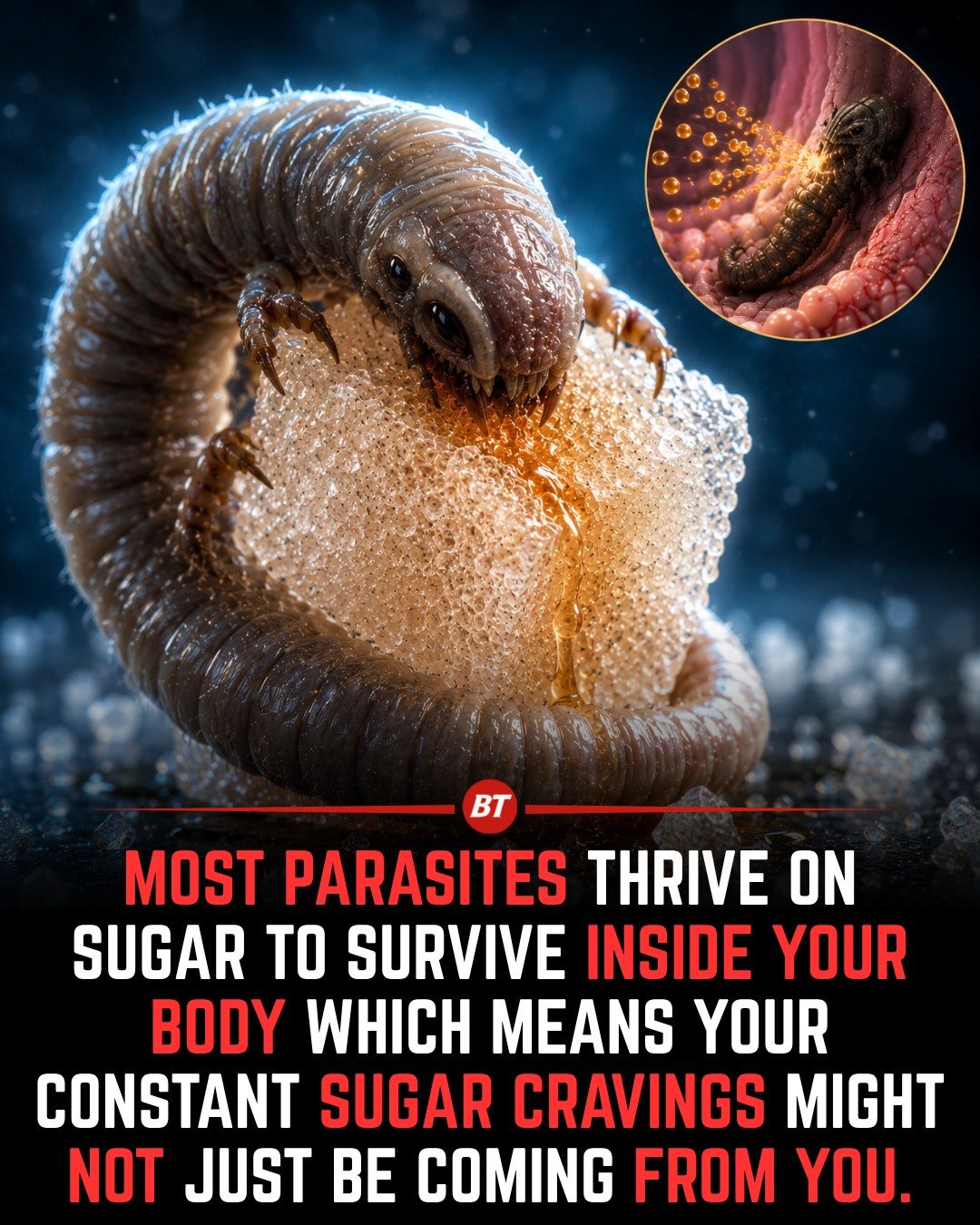
Understanding Sugar Cravings and the Role of Parasites
Sugar cravings are a common experience, but they aren't always about willpower. These cravings can be influenced by a variety of factors, including poor sleep, chronic stress, blood sugar swings, and even your gut microbiome. The trillions of microbes living in your gut play a crucial role in breaking down food and producing compounds that communicate with your brain through the gut-brain axis. Scientists are actively studying how changes in the gut microbiome may affect appetite, food preferences, and cravings by influencing hormones involved in hunger and satiety.
Why This Matters
The relationship between sugar cravings and gut health is complex. Highly refined carbohydrates and sugary foods can trigger rapid rises and falls in blood sugar. As blood glucose drops, your body may respond by increasing hunger and encouraging you to seek another quick source of energy—often leading to cravings for more sugar. This cycle can be challenging to break, but understanding the underlying mechanisms can help you make informed choices about your diet and lifestyle.
The Role of Parasites
Parasites are organisms that live in or on another organism and derive benefit at the host's expense. Most parasites thrive on sugar to survive inside the body. This means that constant sugar cravings might not just be coming from your desire for sweets; they could be a sign of parasites influencing your hunger signals.
How Parasites Influence Sugar Cravings
Parasites, such as hookworms, can manipulate your body's energy needs. By feeding on sugar, they create an environment where your body constantly craves more sugar to fuel their survival. This can lead to a vicious cycle where your body is constantly seeking out sugary foods to meet both your own energy needs and those of the parasites.
The Gut Microbiome and Sugar Cravings
Recent studies have shown that the gut microbiome plays a significant role in regulating appetite and cravings. The gut-brain axis is a complex communication network that involves the central and enteric nervous systems, linking cognitive and emotional centers of the brain with peripheral intestinal functions. The microbes in your gut produce compounds that influence hormones involved in hunger and satiety, such as ghrelin and leptin. Changes in the gut microbiome can disrupt this balance, leading to increased sugar cravings.
How to Manage Sugar Cravings
Managing sugar cravings involves a multifaceted approach that addresses both the physiological and psychological aspects of hunger. Here are some practical tips to help you manage your sugar cravings more effectively.
Balanced Meals
Eating a balanced diet that includes a variety of nutrient-dense foods can help regulate your blood sugar levels and reduce cravings. Focus on incorporating fiber, whole grains, legumes, fruits, vegetables, and fermented foods into your meals. These foods support a healthier gut microbiome and may help improve appetite regulation and metabolic health.
Protein, Fat, and Fiber
When a sugar craving hits, try eating a snack that combines protein, healthy fat, and fiber. Examples include Greek yogurt with berries, an apple with peanut butter, or a handful of nuts. These combinations help slow digestion, stabilize blood sugar, and keep you feeling satisfied longer.
Stay Hydrated
Dehydration can sometimes be mistaken for hunger or sugar cravings. Make sure you're staying hydrated throughout the day by drinking plenty of water. This can help reduce cravings and keep your body functioning optimally.
Manage Stress
Chronic stress can lead to increased sugar cravings. Find healthy ways to manage stress, such as meditation, yoga, or other relaxation techniques. Regular exercise can also help reduce stress and improve overall well-being.
Prioritize Sleep
Poor sleep can disrupt your body's hormonal balance, leading to increased hunger and sugar cravings. Aim for 7-9 hours of quality sleep per night to support your overall health and reduce cravings.
Important Takeaways
- Sugar cravings can be influenced by a variety of factors, including gut health, blood sugar swings, and stress.
- Parasites can thrive on sugar and may influence your body's energy needs, leading to increased sugar cravings.
- A healthy gut microbiome plays a crucial role in regulating appetite and cravings.
- Managing sugar cravings involves a multifaceted approach that includes balanced meals, hydration, stress management, and adequate sleep.
Conclusion
Sugar cravings are a complex issue influenced by various factors, including gut health and the presence of parasites. Understanding these underlying mechanisms can help you make informed choices about your diet and lifestyle. By adopting a holistic approach that addresses both physiological and psychological aspects of hunger, you can better manage your sugar cravings and support your overall health.
Watch the Reel
Questions readers ask
Can parasites really cause sugar cravings?
Yes, certain parasites can influence your body's energy needs and alter hunger signals, potentially leading to increased sugar cravings. This happens as the parasite manipulates your body to meet its own nutritional requirements, which often include sugars.
How does the gut microbiome affect sugar cravings?
The gut microbiome plays a significant role in breaking down food and producing compounds that communicate with your brain. Changes in the gut microbiome can influence hormones involved in hunger and satiety, thereby affecting your sugar cravings and overall appetite.
What are some common signs of parasites that might be influencing sugar cravings?
Common signs of a parasite infection can include unexplained weight loss or gain, fatigue, digestive issues like bloating and gas, and persistent sugar cravings. If you experience these symptoms, it's important to consult a healthcare professional for proper evaluation.
Can stress be linked to sugar cravings?
Stress can indeed be linked to sugar cravings. When you're stressed, your body produces cortisol, a hormone that can increase appetite and preference for sugary, high-fat foods. Managing stress through techniques like mindfulness and exercise can help reduce these cravings.
How does blood sugar regulation affect sugar cravings?
Fluctuations in blood sugar levels can significantly impact sugar cravings. When blood sugar drops, your body may signal the need for a quick energy boost, often leading to cravings for sugary foods. Maintaining stable blood sugar levels through a balanced diet can help regulate these cravings.
Related deep dives
Similar reads based on topic and creator.




Recent articles
Fresh deep dives from the latest Reels we unpacked.




Comments
Be the first to comment.