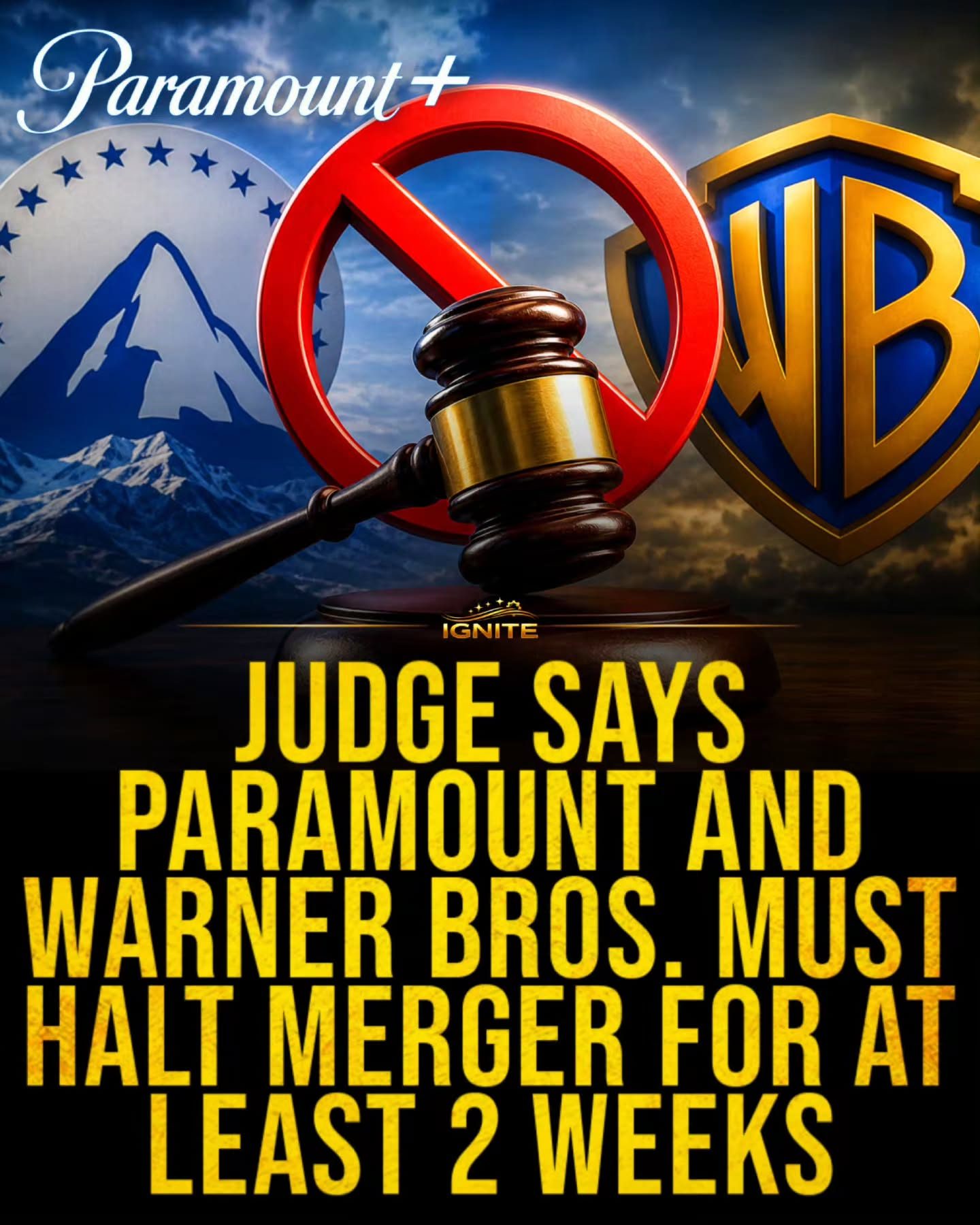
Legal Ruling on the Paramount and Warner Bros. Merger
A judge has recently issued a significant legal order, directing Paramount and Warner Bros. to temporarily halt their merger for at least two weeks. This ruling has sent ripples through the media industry, highlighting the complexities and legal hurdles involved in major corporate mergers. Here, we explore the significance of this decision, its implications for the media landscape, and what it means for the future of these two giants.
Why This Matters
The media industry is constantly evolving, with mergers and acquisitions shaping the landscape. Paramount and Warner Bros. are major players in this arena, each with a rich history and a substantial portfolio of content. Their proposed merger would have created a powerhouse, potentially altering the competitive dynamics within the industry. However, this legal intervention underscores the regulatory scrutiny such mergers face, particularly when they involve entities of this magnitude.
Main Discussion
The Legal Context
The temporary halt to the merger is a clear indication that the legal system is closely monitoring the proposed merger. This decision is not just about the two companies but also about the broader implications for media consolidation and competition. The judge's order reflects concerns over potential antitrust issues, market dominance, and the impact on consumers.
Impact on Paramount and Warner Bros.
For Paramount and Warner Bros., this pause is a strategic setback. Both companies have likely invested significant resources into planning and preparing for the merger. The halt forces them to reassess their strategies and potentially address regulatory concerns. It also provides an opportunity for them to engage more deeply with legal counsel and perhaps negotiate terms that would satisfy regulatory bodies.
Ramifications for the Media Industry
This ruling has broader implications for the media industry. It signals that the regulatory bodies are actively monitoring and scrutinizing mergers within the sector. Companies involved in similar mergers or acquisitions are likely to face increased scrutiny and may need to be more transparent about their plans and potential impacts on the market.
Public and Market Reaction
While detailed comments are not available, the general public and market analysts are likely to have varied reactions. Some may view this as a positive development, ensuring fair competition and preventing monopolistic behavior. Others may see it as a delay in an inevitable trend of media consolidation. The market reaction could also be mixed, with some investors viewing this as a risk to the companies' growth strategies, while others may see it as an opportunity for more strategic planning.
Practical Tips
For media companies involved in mergers or acquisitions, this ruling serves as a practical reminder to:
- Engage Early with Regulators: Seek legal advice early in the process to understand the regulatory landscape and potential concerns.
- Prepare for Delays: Understand that legal scrutiny can cause delays and plan accordingly.
- Ensure Transparency: Be transparent about the merger's potential impacts on the market and consumers.
- Leverage the Pause: Use any temporary halt as an opportunity to refine strategies and address regulatory concerns effectively.
Important Takeaways
- The temporary halt to the Paramount and Warner Bros. merger highlights the regulatory scrutiny involved in major media mergers.
- This decision has significant implications for both companies and the broader media industry.
- Engaging early with regulators, preparing for delays, ensuring transparency, and leveraging pauses for strategic planning are crucial steps for companies involved in mergers.
Conclusion
The legal ruling to halt the Paramount and Warner Bros. merger temporarily underscores the complexities and regulatory hurdles involved in significant corporate mergers. This decision is not just about the two companies but also about the broader impact on the media industry and market dynamics. By understanding the implications and taking a strategic approach, both companies can navigate these challenges more effectively.
Watch the Reel
Questions readers ask
What prompted the judge to halt the Paramount and Warner Bros. merger?
The judge intervened due to antitrust concerns and the need for a thorough review of the potential merger's impact on the media industry. This pause aims to ensure that the merger does not stifle competition or harm consumers.
How long is the pause on the Paramount and Warner Bros. merger?
The judge has ordered a temporary halt on the merger for at least two weeks. During this period, both companies must reassess their plans and address the regulatory concerns raised by the court.
What are the potential implications of this ruling for the media industry?
This ruling sets a precedent for other major corporate mergers, emphasizing the need for careful legal scrutiny. It also signals that regulatory bodies are closely monitoring the media industry to prevent monopolistic practices.
What steps should Paramount and Warner Bros. take during this pause?
Both companies should use this time to gather additional data, engage with regulatory bodies, and potentially negotiate adjustments to their merger plan. They might also need to address specific antitrust concerns raised by the court.
How does this ruling affect the media landscape's future?
The temporary halt could lead to a more cautious approach to future mergers and acquisitions. Companies might be more inclined to consider the potential legal and regulatory challenges before proceeding with major deals.
What role does antitrust law play in this merger halt?
Antitrust law is crucial in this ruling, as it aims to prevent monopolies and ensure fair competition. The judge's order reflects the need to assess whether the merger would negatively impact market competition or consumer choice.
What are the next steps for Paramount and Warner Bros. after the pause?
After the pause, both companies will need to present a revised plan that addresses the legal and regulatory concerns. They may also need to engage in further negotiations with regulatory bodies or even explore alternative strategies if necessary.
Recent articles
Fresh deep dives from the latest Reels we unpacked.




Comments
Be the first to comment.