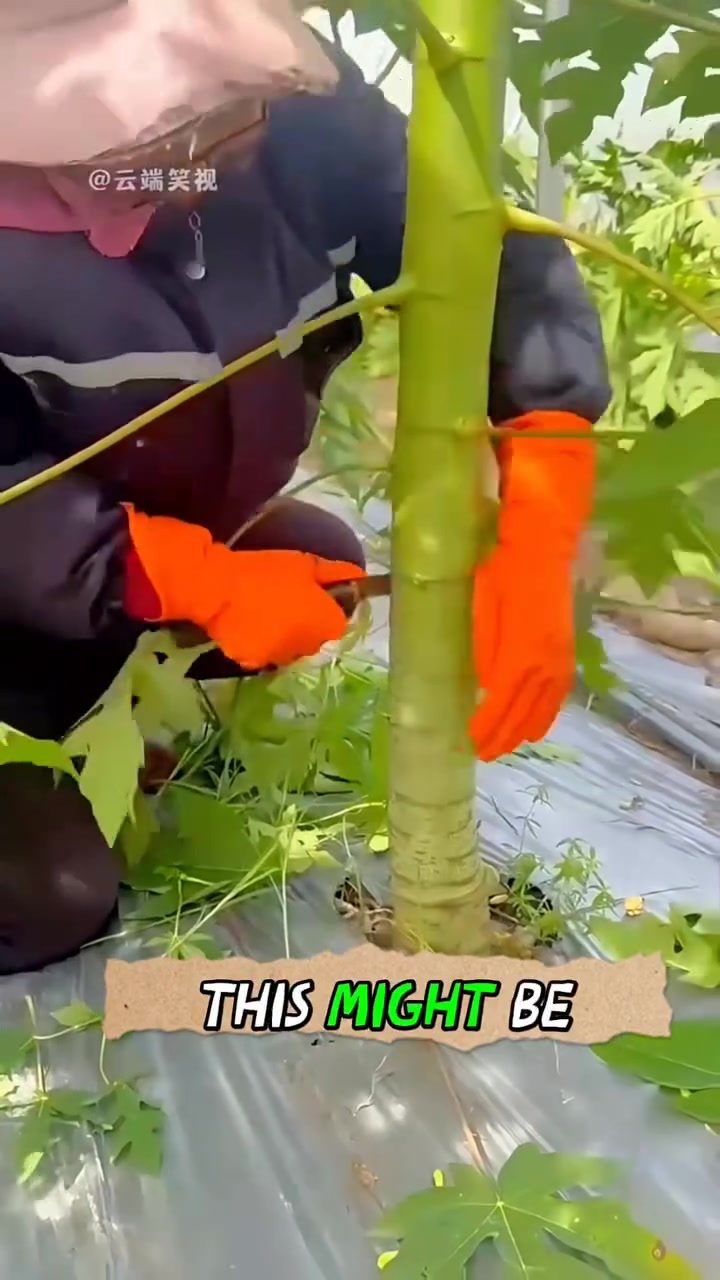
Why Papaya Farmers Are Bending Their Trees
Papayas are a popular tropical fruit known for their sweet, juicy flesh and numerous health benefits. While many farmers focus on growing papaya trees as tall as possible, some are taking a different approach by bending their trees. This unique method has several advantages that can lead to a better harvest.
Why This Matters
Bending papaya trees might seem counterintuitive, but it serves several important purposes. Understanding these benefits can help farmers and gardening enthusiasts optimize their papaya yields and overall plant health.
A Different Approach to Papaya Cultivation
Papaya trees are not like traditional trees. Their trunks are soft, hollow, and rarely branch out. This unique structure means that as the tree grows taller, all the nutrients and sugars travel upwards, leaving fewer fruits and nutrients at the base.
The Bending Technique
Instead of letting the tree grow vertically, some farmers bend the papaya plant to about a 45-degree angle. This might look destructive at first, but it actually boosts production. By bending the plant, the nutrients and sugars that would normally travel to the top are redistributed sideways.
Nutrient Redistribution
When a papaya plant is bent, the nutrients spread sideways, waking up dormant buds. This process transforms a single fruiting stem into multiple fruit-producing branches. As a result, the plant produces more fruits, which are bigger, sweeter, and more plentiful.
Benefits of Bending Papaya Trees
Bending papaya trees offers several advantages that can enhance both the yield and the overall health of the plant. Here are some key benefits:
Increased Fruit Production
By redistributing nutrients, the plant produces multiple fruiting branches instead of a single stem. This significantly increases the number of fruits the plant yields, making it a more productive crop.
Bigger and Sweeter Fruits
With more nutrients and sugars spread throughout the plant, the fruits that do grow are often larger and sweeter. This makes them more desirable for both fresh consumption and commercial use.
Enhanced Plant Stability
A plant that has been bent and fixed in place tends to stay shorter and stronger. This makes it much harder for strong winds to knock over, reducing the risk of damage and loss. It also makes it easier to harvest.
Practical Tips for Bending Papaya Trees
If you're considering bending your papaya trees, here are some practical tips to help you get started:
Choose a Healthy Plant
For the best results, select a healthy and robust papaya plant. The bending process can be taxing, so a strong plant is more likely to thrive.
Bend to 45 Degrees
Aim to bend the plant to about a 45-degree angle. This angle allows for optimal nutrient redistribution without putting too much stress on the plant. Use a support to hold it in place. Make sure to do this when the plant is young for the best results.
Monitor Growth
After bending the plant, keep a close eye on its growth. Ensure that the support is secure and that the plant is not suffering from any stress or disease. Regular monitoring will help you adjust your approach as needed.
Important Takeaways
Bending papaya trees can significantly enhance fruit production and plant health. By redistributing nutrients and creating multiple fruiting branches, this technique leads to a better and larger harvest. It also makes the plant more stable and resilient to strong winds.
Conclusion
Bending papaya trees is a smart and effective technique that can transform the way you cultivate this delicious fruit. By following the practical tips outlined, you can optimize your papaya yield and enjoy bigger, sweeter, and more plentiful fruits. This method not only enhances productivity but also ensures the health and stability of your plants.
Watch the Reel
Questions readers ask
Why should I consider bending my papaya trees?
Bending papaya trees promotes better nutrient distribution, leading to increased fruit production and larger fruit size. This technique helps counteract the natural vertical growth habit of papaya trees, ensuring that resources are allocated more evenly throughout the plant.
How does bending a papaya tree affect its growth?
Bending a papaya tree alters its growth pattern, encouraging the tree to develop more horizontally. This change in orientation helps to redistribute nutrients, ensuring that lower parts of the tree receive adequate resources, which can lead to a more productive harvest.
What is the best angle to bend a papaya tree?
For optimal results, bend your papaya tree to a 45-degree angle. This specific angle has been found to effectively redistribute nutrients throughout the tree, promoting better fruit production and size.
Should I bend all the branches of my papaya tree?
It's not necessary to bend all the branches. Focus on the main trunk and a few primary branches. This approach helps in managing the tree's structure and ensures that the bending process is effective without causing undue stress to the plant.
Can bending a papaya tree improve fruit quality?
Yes, bending a papaya tree can lead to improved fruit quality. By redistributing the nutrients, it ensures that the fruits receive a more consistent supply of resources, which can enhance their flavor, texture, and overall quality.
What are the best practices for bending a papaya tree?
To bend a papaya tree, use a sturdy support or stake to gradually bend the tree to the desired 45-degree angle. Ensure the tree is young and flexible enough to be bent without breaking. Monitoring the tree's health and making adjustments as needed will help maintain its overall well-being.
Related deep dives
Similar reads based on topic and creator.

Recent articles
Fresh deep dives from the latest Reels we unpacked.




Comments
Be the first to comment.