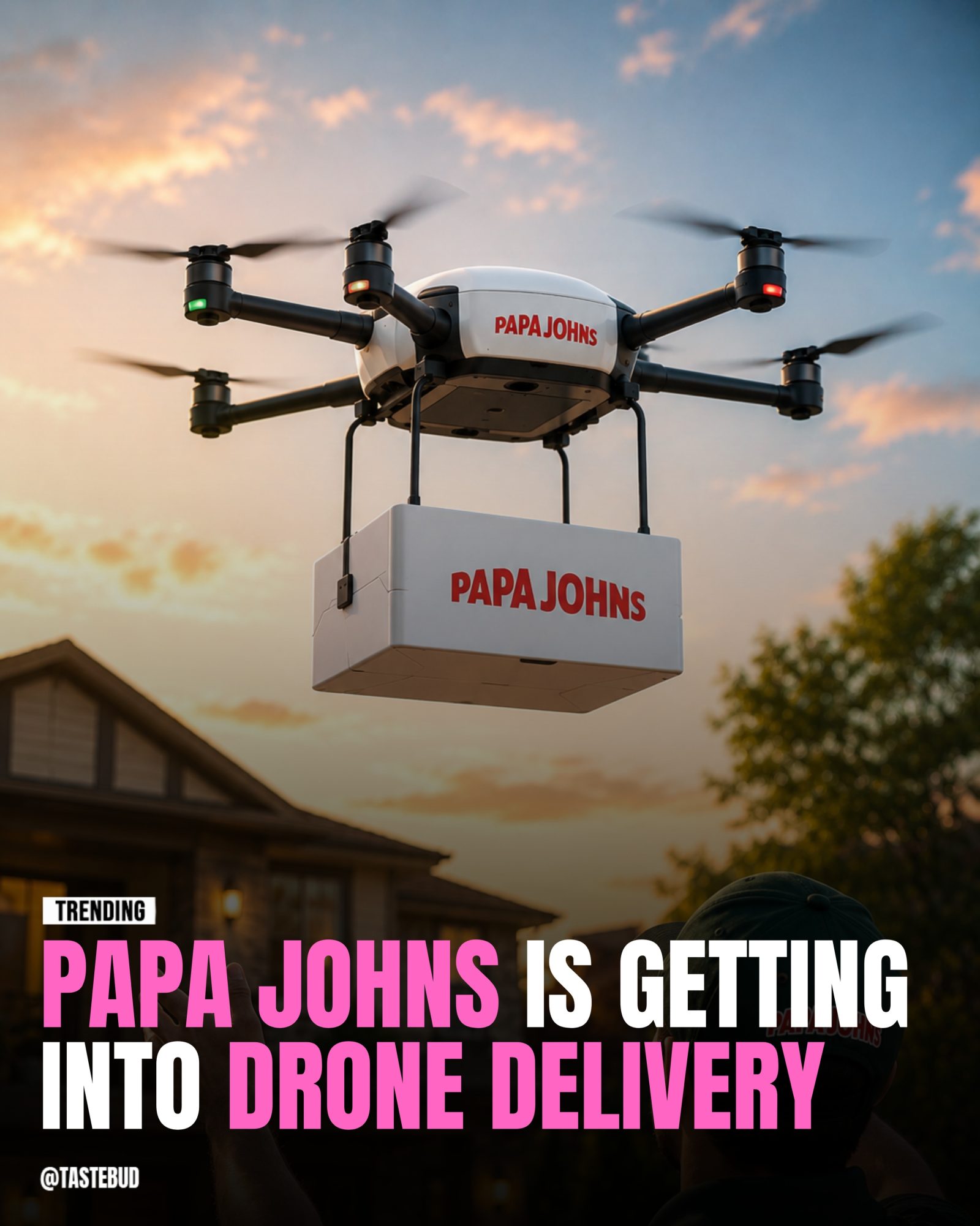
Drone Pizza Delivery: The Future of Food Delivery
Papa Johns has started testing drone delivery in North Carolina. This isn't just a novelty; it's a significant step towards understanding future food delivery options. Partnering with Wing, a company owned by Alphabet Inc., Papa Johns has been experimenting with delivering food via drones. But there's a twist — they’re not delivering traditional pizzas, at least not yet. Instead, the drones carry sandwiches, like the Philly cheesesteak and chicken bacon ranch. This choice results from the challenges of transporting traditional pizza boxes by air. This trial is currently limited to a small area near Charlotte.
This move highlights the broader issue of integrating drones into food delivery. It showcases the complexities and hurdles companies face as they try to balance costs, regulations, and logistics. The logistics of drone delivery can be tricky, and even the simplest tasks, like delivering a pizza, become complicated when done from the air.
Why This Matters
Drone delivery isn't just about the novelty of aerial transport. It represents a potential breakthrough in efficiency and accessibility for food delivery services. Wing's drone delivery service aims to provide fast and reliable deliveries. However, there are significant challenges to overcome.
Regulatory Hurdles
One of the primary hurdles is regulatory compliance. The Federal Aviation Administration (FAA) has strict guidelines for drone operations, particularly in urban and suburban areas. Drone delivery services must ensure they comply with these regulations while also navigating local laws and obtaining necessary permits.
Logistical Challenges
Delivering food via drones involves more than just flying from point A to point B. Considerations include the type of food being transported, its packaging, and maintaining food safety during transit. Traditional pizza boxes, with their light construction and susceptibility to wind, present a particular problem. Hence, the choice of sandwiches for initial tests.
Cost Implications
Cost is another critical factor. The cost of drone technology, maintenance, and operational logistics can be substantial. Companies need to balance the cost of setting up and running a drone delivery service with the potential revenue and efficiency gains.
Key Considerations for Drone Delivery
Food Safety and Packaging
Food safety is paramount in any delivery service. The type of packaging used to transport food in the air must be durable and secure. It should also protect the food from environmental factors, such as temperature changes and moisture. This is where sandwiches have an advantage over pizzas, as they are easier to package securely for aerial transport.
Delivery Speed and Efficiency
One advantage of drone delivery is the potential for speed and efficiency. Drones can navigate directly to delivery points, avoiding traffic congestion and other obstacles. This can significantly reduce delivery times, especially in urban and suburban areas.
Environmental Impact
Drones also offer environmental benefits. They are generally more energy-efficient than traditional delivery vehicles, reducing the carbon footprint of food delivery services. This makes drone delivery an attractive option for companies looking to enhance their sustainability initiatives.
Practical Tips for Drone Delivery
Choosing the Right Food
If you're considering drone delivery for your food service, start with items that are easy to package and transport. Sandwiches, wraps, and pre-packaged meals are good options. Avoid items that are delicate, easily damaged, or require special handling.
Partnering with Technology Companies
Collaborating with technology companies specializing in drone delivery can provide valuable expertise and resources. Companies like Wing, owned by Alphabet Inc., have already invested heavily in drone technology and can offer insights and support.
Engaging with Regulatory Bodies
Work closely with regulatory bodies to ensure compliance. This includes obtaining necessary permits, understanding local laws and regulations, and following safety guidelines. Transparency and cooperation with regulatory bodies can help streamline the process and ensure a smooth rollout.
Emphasizing Customer Satisfaction
Highlight the convenience and speed benefits of drone delivery to your customers. Additionally, emphasize the safety and quality of the food being delivered. Clear communication and customer education can help build trust and satisfaction.
Important Takeaways
Papa Johns’ drone delivery tests in North Carolina represent just the beginning of a broader shift in food delivery. While there are significant challenges to overcome, the potential benefits are substantial. Drone delivery can offer faster, more efficient, and environmentally friendly food delivery options. Companies venturing into this field must consider food packaging, regulatory compliance, and cost implications.
Conclusion
The future of food delivery is taking flight with drone delivery services. While drone delivery for pizzas is still in the experimental phase, the potential for faster, more efficient, and sustainable food delivery is clear. Companies like Papa Johns are paving the way, and as technology and regulations evolve, we can expect to see more innovative solutions emerging in this space.
Watch the Reel
Questions readers ask
Why is Papa Johns using sandwiches instead of pizzas for drone delivery tests?
Papa Johns is using sandwiches for drone delivery tests instead of pizzas because sandwiches are easier to transport by air. Traditional pizza boxes can be more challenging to manage during aerial transport due to their shape and the need to keep the pizza hot and secure.
What company is Papa Johns partnering with for drone delivery?
Papa Johns is partnering with Wing, a company owned by Alphabet Inc., for their drone delivery tests. This collaboration aims to explore the feasibility and efficiency of using drones for food delivery.
Where is Papa Johns conducting their drone delivery tests?
Papa Johns is conducting their drone delivery tests in North Carolina, specifically in an area near Charlotte. This testing phase is limited to a small region to assess the logistics and regulatory challenges of drone food delivery.
What are some of the challenges associated with drone delivery?
Drone delivery faces several challenges, including regulatory approval, ensuring the safety and security of the delivery process, managing the logistics of aerial transport, and maintaining the quality of the food during transit. These challenges are being explored through the current tests in North Carolina.
What is the significance of Papa Johns testing drone delivery?
Papa Johns' testing of drone delivery is significant because it provides a real-world glimpse into the future of food delivery. By conducting these tests, they are helping to pave the way for potential widespread adoption of drone delivery services. This initiative also highlights the complexities and hurdles that need to be overcome for successful implementation.
What types of sandwiches are being delivered by Papa Johns' drones?
Papa Johns' drones are currently delivering sandwiches such as the Philly cheesesteak and chicken bacon ranch. These sandwiches were chosen for their suitability for drone delivery, as they are easier to transport and maintain in good condition during aerial transit.
How does drone delivery work?
Drone delivery involves using unmanned aerial vehicles to transport goods from a starting point to a delivery location. In the case of Papa Johns, drones are used to carry sandwiches from a local restaurant to customers' homes. The drones follow a predetermined flight path and are equipped with mechanisms to safely drop off the food at the designated spot.
Related deep dives
Similar reads based on topic and creator.


Recent articles
Fresh deep dives from the latest Reels we unpacked.




Comments
Be the first to comment.