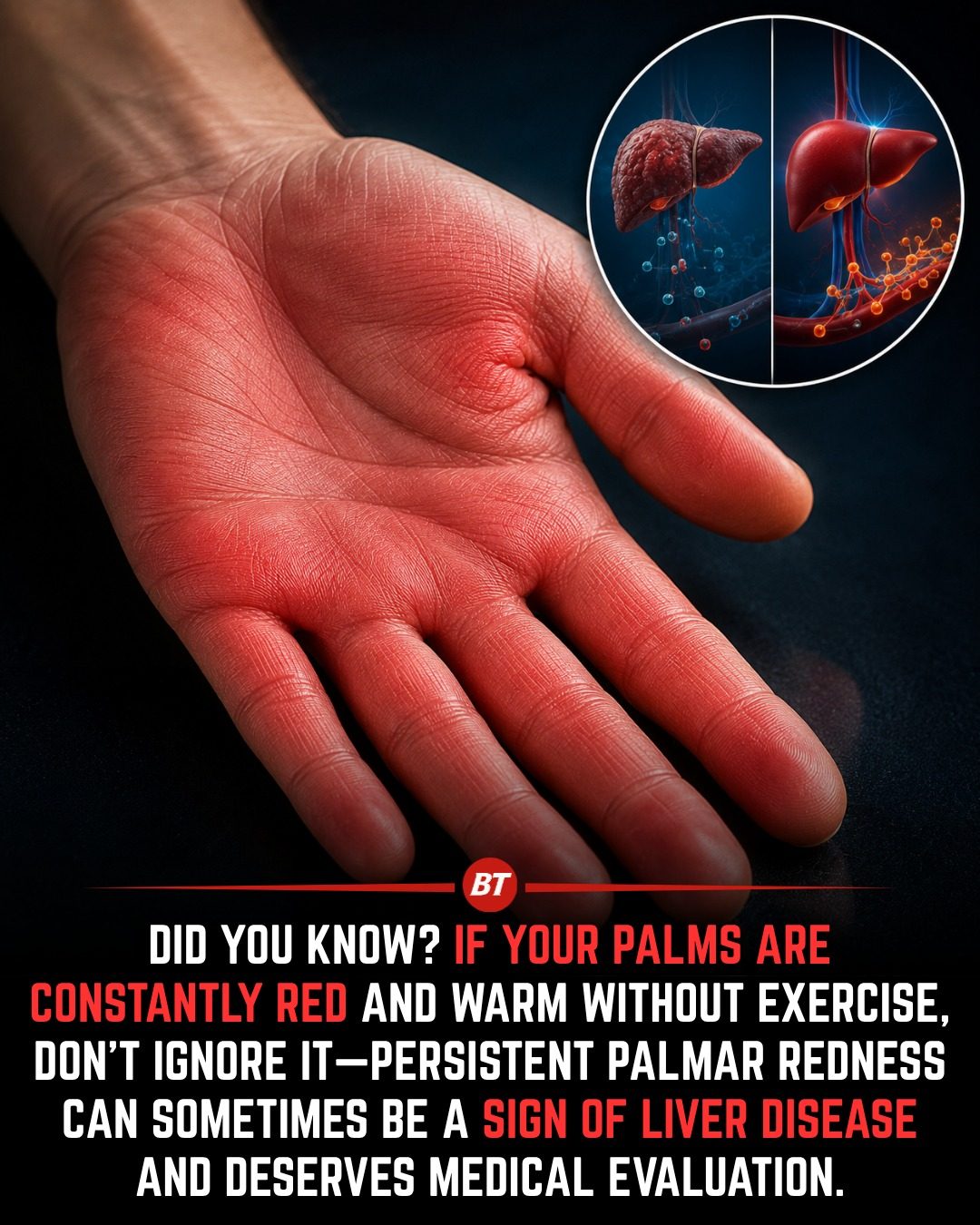
Liver Disease Awareness: Understanding Palmar Erythema and Its Link to Liver Health
Palmar erythema, a condition where the palms of the hands exhibit persistent redness, can sometimes signal underlying health issues, including liver disease. This condition is characterized by a symmetrical redness, typically seen at the base of the thumb and little finger. While it can be benign in some cases, it's essential to recognize when palmar erythema might warrant medical attention.
Why This Matters
The skin provides valuable clues about overall health. Palmar erythema, in particular, can be an early indicator of various health conditions. For this reason, it's crucial to understand what causes this redness and when to seek medical advice.
Understanding Palmar Erythema
What Causes Palmar Erythema?
Palmar erythema occurs when small blood vessels in the hands widen, increasing blood flow near the surface of the skin. This condition can be a symptom of several underlying health issues, including chronic liver disease. It is important to note, however, that it can also be present in healthy individuals or during pregnancy.
Conditions Linked to Palmar Erythema
According to various medical reviews, palmar erythema has been linked to several medical conditions:
- Liver Disease: Conditions such as cirrhosis and other chronic liver diseases have been associated with palmar erythema. The liver plays a crucial role in breaking down toxins in the body, and any dysfunction can lead to a variety of symptoms, including skin changes.
- Pregnancy: Hormonal changes during pregnancy can cause palmar erythema, often resolving after childbirth.
- Thyroid Conditions: Hyperthyroidism, a condition where the thyroid gland is overactive, can also cause this symptom.
- Rheumatoid Arthritis: This autoimmune disease can affect blood vessels, leading to redness in the palms.
- Diabetes: High blood sugar levels can cause changes in blood vessels, leading to palmar erythema.
Recognizing the Signs
Palmar erythema typically appears as a persistent, symmetrical redness on the palms. It is most commonly seen at the base of the thumb and little finger. While this condition can be benign, it may also indicate an underlying health issue that requires attention.
When to Seek Medical Evaluation
Although palmar erythema alone is not enough to diagnose liver disease, it should not be ignored, especially if accompanied by other symptoms. Seek medical evaluation if you experience:
- Yellowing of the skin or eyes (jaundice)
- Abdominal swelling
- Easy bruising
- Severe fatigue
- Dark urine
Your healthcare provider may recommend blood tests to evaluate liver function, thyroid health, and blood sugar levels, helping to identify any underlying issues.
Practical Tips
Monitoring Your Health
If you notice persistent redness in your palms, it's essential to pay attention to your overall health. Here are some tips to help you stay proactive:
- Schedule Regular Check-ups: Regular medical check-ups can help detect any underlying health issues early. Discuss any persistent symptoms with your healthcare provider.
- Maintain a Healthy Lifestyle: A balanced diet and regular exercise can help improve overall health and reduce the risk of chronic diseases.
- Stay Hydrated: Proper hydration is essential for maintaining skin health and overall well-being.
When to Seek Medical Attention
If you have persistent palmar erythema, especially if it's new or accompanied by other symptoms, it's crucial to schedule a visit with your healthcare provider. They can conduct a thorough evaluation and recommend appropriate tests or treatments.
Important Takeaways
Palmar erythema is a condition that should not be overlooked, especially when accompanied by other symptoms. Understanding the potential causes and recognizing the signs are key to maintaining good health. Regular medical check-ups, a healthy lifestyle, and staying hydrated can help you stay on top of your health and address any concerns early on.
Conclusion
Your skin can provide valuable clues about your overall health. Palmar erythema is one such indicator that, while sometimes benign, can signal underlying health issues, including liver disease. By recognizing the signs and seeking appropriate medical attention, you can take proactive steps to address any potential health concerns and maintain optimal well-being.
Watch the Reel
Questions readers ask
What does it mean if I have persistent redness on my palms?
Persistent redness on your palms, also known as palmar erythema, can indicate several health conditions. While it can be benign, it may also signal underlying issues like liver disease, so it's important to consult a healthcare provider for a proper evaluation.
Why are my palms red and warm?
Warm and red palms can be caused by various factors, including increased blood flow due to conditions like hyperthyroidism or more commonly, a hormonal condition called palmar hyperhidrosis. However, it can also be a sign of liver disease, so it's crucial to discuss this symptom with a doctor.
How is palmar erythema linked to liver disease?
Palmar erythema is associated with liver disease due to the changes in hormone levels that occur when the liver is not functioning properly. When the liver is compromised, it can lead to increased estrogen levels, which cause the blood vessels in the palms to dilate, resulting in redness.
When should I be concerned about red palms?
You should be concerned about red palms if the redness is persistent, symmetric, and accompanied by other symptoms such as fatigue, abdominal pain, or jaundice. These could be signs of an underlying health condition, and a thorough medical evaluation is recommended.
Can palmar erythema be a symptom of other diseases besides liver disease?
Yes, palmar erythema can be a symptom of various conditions besides liver disease. These include autoimmune disorders like rheumatoid arthritis, certain infections, and even pregnancy. It's essential to consult a healthcare provider for a proper diagnosis.
How can a healthcare provider determine if my palmar erythema is related to liver disease?
A healthcare provider will likely perform a physical examination and order blood tests to evaluate liver function if they suspect liver disease is causing palmar erythema. Imaging tests, such as an ultrasound, may also be ordered to assess the liver's condition.
Are there any treatments for palmar erythema related to liver disease?
Treatment for palmar erythema related to liver disease focuses on managing the underlying liver condition. This might include lifestyle changes, medications, or, in severe cases, a liver transplant. Treating the liver condition may also help alleviate the symptoms of palmar erythema.
Related deep dives
Similar reads based on topic and creator.




Recent articles
Fresh deep dives from the latest Reels we unpacked.




Comments
Be the first to comment.