Why Are Pakistan’s Wells So Large?
Water wells in Pakistan are often constructed much larger than in other regions. This unique construction method is deeply rooted in the local geography and traditional engineering practices. Understanding why these wells are so large provides insight into the clever solutions developed in response to specific environmental challenges.
Context / Why This Matters
Water is a fundamental resource, especially in rural and remote areas. In Pakistan, the combination of loose soil and the need for reliable water sources has led to the development of large, traditional wells. These wells are not just a means of accessing water; they represent a blend of local knowledge, manual labor, and innovative engineering. This makes them ideal for communities that lack access to modern machinery and electricity.
Construction and Techniques
Sinking Well Method
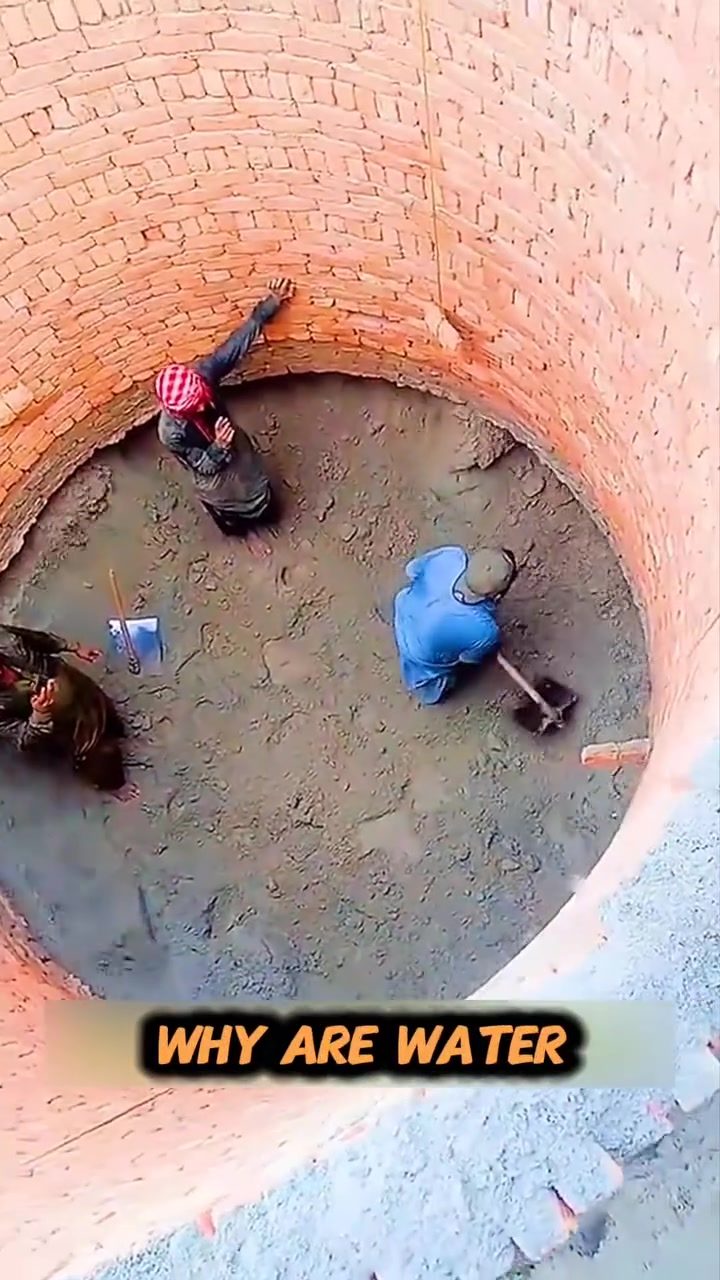
One of the key methods used in constructing these large wells is known as the "sinking well" technique. This involves building a brick wall above ground while workers below dig out the soil underneath. As the base loses support, the entire well lining slowly sinks deeper into the ground. This process continues until the well reaches the groundwater layer.
The construction of a sinking well is a layered process. Workers at the bottom dig out the soil, creating a stable foundation for the well. The depth of the well is gradually increased as the brick wall above ground is built, providing a safe working environment for the workers below. This method ensures that the well is structurally sound and can withstand the pressures of the surrounding soil.
Ensuring Safety and Efficiency
Since the well is dug by hand, it must be wide enough for workers to operate safely inside. This large opening also allows for the use of a traditional water lifting system powered by oxen. As the ox moves in circles, a chain of buckets continuously lifts water from the bottom of the well, providing a constant supply of water for drinking and irrigation. This method is both simple and effective, requiring no electricity, making it perfect for remote rural areas.
Traditional Water Lifting Systems
The traditional water lifting system used in these wells is remarkably efficient. The system consists of a chain of buckets attached to a pulley, which is powered by an ox. As the ox walks in circles, the buckets are lifted from the bottom of the well and empty their contents into a reservoir above. This method ensures a continuous and reliable supply of water, which is crucial for the survival and well-being of the local communities.
Practical Tips for Well Construction
Choosing the Right Location
The location of the well is crucial for its success. It should be in a place where the groundwater level is relatively high, and the soil is stable enough to support the sinking well method. Conducting a thorough geological survey can help identify the best location for the well.
Ensuring Structural Integrity
The structural integrity of the well is equally important. The brick wall should be built with high-quality materials and reinforced regularly to withstand the pressure of the surrounding soil. Workers should be trained to handle the manual labor involved in digging and constructing the well.
Maintaining the Water Lifting System
Regular maintenance of the water lifting system is essential to ensure its longevity and efficiency. The chain of buckets and the pulley mechanism should be checked regularly for any signs of wear and tear. The oxen should also be well-maintained to ensure they can operate the system efficiently.
Important Takeaways
The construction of large wells in Pakistan is a testament to the ingenuity and resilience of local communities. The use of traditional methods and local materials ensures that these wells are not only efficient but also sustainable. By understanding the reasons behind this unique construction method, we can appreciate the importance of adapting to local conditions and using available resources effectively.
The sinking well method, combined with the traditional water lifting system, provides a reliable and efficient solution for accessing water in remote and rural areas. This method not only meets the water needs of local communities but also ensures that the construction process is safe and sustainable.
Conclusion
Pakistan’s large wells are a fascinating example of how local conditions and traditional engineering practices can lead to unique and effective solutions. The sinking well method and the traditional water lifting system are perfect examples of how innovation and resourcefulness can be used to overcome challenges. By understanding these methods, we can gain valuable insights into sustainable and efficient water management practices.
Watch the Reel
Questions readers ask
Why are Pakistan's water wells significantly larger than those in other countries?
Pakistan's water wells are larger due to the country's unique geological challenges, such as loose soil, and the need for reliable water access in rural areas. The large size allows for manual labor to extract water, as modern machinery is often unavailable. This traditional engineering method ensures a consistent water supply for local communities.
How do Pakistani water wells overcome the challenges posed by the local geology?
The large diameter of Pakistani water wells helps to counteract the loose soil by providing a stable structure that won't easily collapse. This design also allows workers to enter the well for manual labor, which is crucial in the absence of modern machinery. Additionally, the depth and width of these wells enable a steady water supply, even in areas with fluctuating water tables.
What role does manual labor play in the construction and maintenance of these wells?
Manual labor is essential in the construction and maintenance of Pakistani water wells. The large size allows workers to descend into the well, facilitating the excavation process and ensuring the well's longevity. This hands-on approach is necessary due to the lack of modern machinery in many rural areas, making local knowledge and skills invaluable.
How do large water wells in Pakistan contribute to the water supply in rural communities?
The large size of these wells ensures a consistent water supply, even during periods of drought or when water tables are low. By providing a reliable source of water, these wells support the livelihoods of local communities, enabling agriculture and other water-dependent activities to thrive. Additionally, the communal aspect of well maintenance fosters a sense of unity within the villages.
What traditional engineering techniques are used in the construction of these large wells?
Traditional engineering techniques involve using local materials and methods passed down through generations. The construction process focuses on creating a wide, stable structure that can withstand the challenges of the local soil and climate. Workers use simple tools and their expertise to excavate and reinforce the well, ensuring it remains safe and functional over time.
How do these large wells address the issue of water scarcity in Pakistan?
Large wells in Pakistan are designed to tap into deeper groundwater reserves, which can be more reliable than surface water sources. Their size also allows for better management of the water resource, as it can be stored and accessed as needed. This makes them a vital component in mitigating water scarcity, particularly in rural areas.
What are the benefits of using manual labor in the construction of these large wells?
The use of manual labor in constructing these wells ensures that they are tailored to the specific needs and challenges of the local area. It also supports local employment and keeps maintenance costs low, as communities can rely on their own skills and resources. This self-sufficiency is crucial in remote regions where access to modern technology and materials may be limited.
Recent articles
Fresh deep dives from the latest Reels we unpacked.




Comments
Be the first to comment.