Concrete Mixing and Traditional Sand Casting: A Look into Pakistani Craftsmanship
Concrete mixers and traditional sand casting are integral to many construction processes, and understanding their applications and techniques can provide valuable insights. ABIR, a prominent name in the industry, showcases the intricate process of creating durable and precise concrete paving blocks through the sand casting process.
The Importance of Concrete Mixing
Concrete mixing is a fundamental step in any construction project. The process involves combining cement, aggregates (such as sand and gravel), and water to create a homogeneous mixture. This mixture is then poured into molds to form the desired shape, such as bricks, blocks, or slabs. The precision and consistency of the mix are crucial for the strength and durability of the final product.
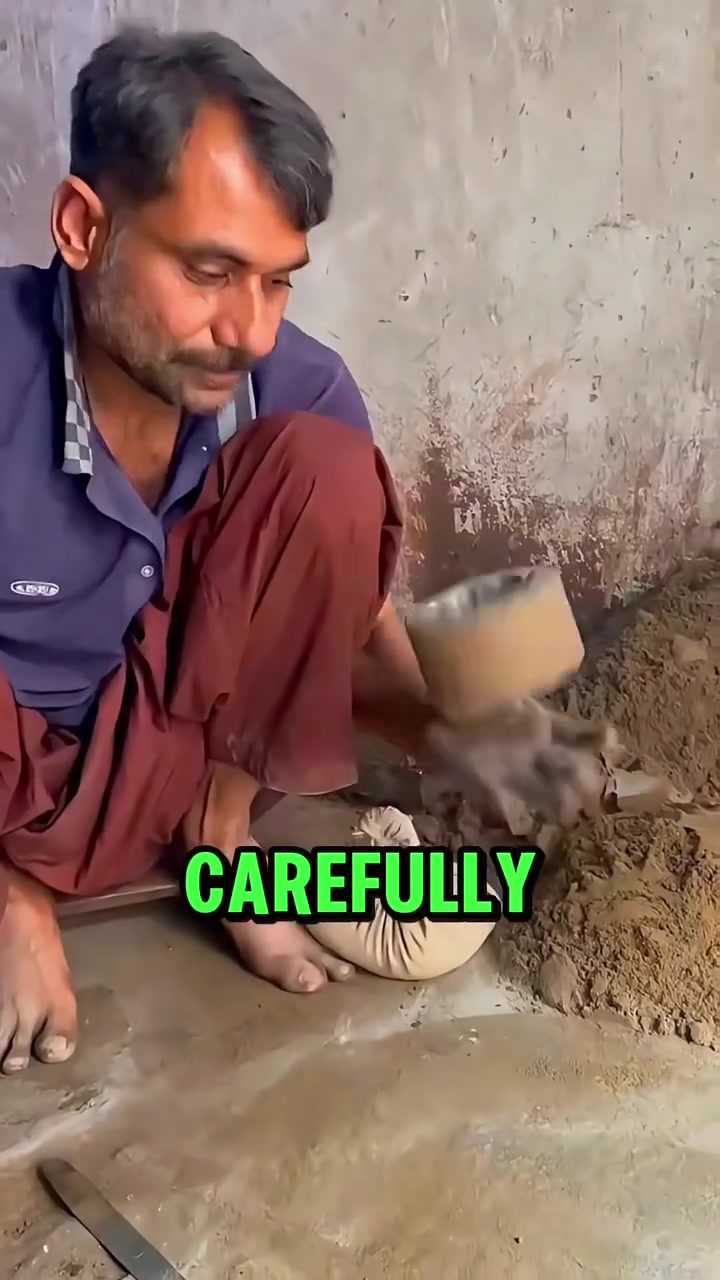
The traditional sand casting process used in Pakistan for generations highlights the craftsmanship involved in creating intricate and durable molds. This process begins with a skilled craftsman carefully shaping the original pattern with the exact design needed for the final mold. The pattern is then placed inside a large metal box, and sand is tightly packed around it by hand until every detail is captured.
Traditional Sand Casting Process
Crafting the Initial Pattern
The sand casting process begins with the creation of a precise pattern. This pattern is carefully crafted to ensure that every detail of the final mold is captured. The craftsman places the pattern inside a large metal box and tightly packs sand around it by hand. This meticulous process ensures that the sand captures every detail of the pattern, creating a perfect hollow cavity when the pattern is removed.
Creating the Mold
Once the sand becomes solid, the pattern is slowly removed, leaving behind a perfect hollow cavity. The box is then sealed again before glowing molten iron is carefully poured inside. This step is crucial as it creates the heavy iron mold that will be used to produce the concrete paving blocks.
Finishing the Mold
After the molten iron cools and solidifies, the sand is broken away to reveal the heavy iron mold. The craftsman then grinds and polishes the surface until it is ready to produce thousands of concrete paving blocks. This finishing process ensures that the mold is smooth and free of any imperfections, which is essential for creating high-quality concrete products.
Using Concrete Mixers
Concrete mixers play a vital role in the preparation of the concrete mixture. These machines ensure that the ingredients are thoroughly mixed, resulting in a consistent and high-quality mixture. The ABIR concrete mixer, for example, is designed to handle large volumes of material efficiently. The mixer rotates, mixing the ingredients until they form a homogeneous mixture.
Practical Tips for Effective Concrete Mixing
Choosing the Right Mixer
When selecting a concrete mixer, consider the volume of material you need to mix. For smaller projects, a portable mixer might be sufficient, while larger projects may require a more robust, stationary mixer. Ensure that the mixer has a powerful motor and durable blades to handle the tough materials involved in concrete mixing.
Proper Mixing Techniques
Consistency is key in concrete mixing. Follow these steps to achieve a well-mixed batch:
- Preparation: Start by adding the dry ingredients (cement, aggregates, and any additives) to the mixer.
- Adding Water: Gradually add water while the mixer is running. The amount of water should be just enough to create a workable mixture.
- Mixing Time: Allow the mixer to run for the recommended time to ensure that all ingredients are thoroughly combined.
Maintaining Your Mixer
Regular maintenance is essential for keeping your concrete mixer in optimal condition. Clean the mixer thoroughly after each use to prevent the buildup of hardened concrete, which can affect its performance. Additionally, lubricate the moving parts and inspect the blades for any signs of wear or damage.
Important Takeaways
- Precision is Key: The traditional sand casting process in Pakistan emphasizes the importance of precision and craftsmanship in creating durable and intricate molds.
- Consistency in Mixing: Proper mixing techniques and the use of high-quality concrete mixers ensure a consistent and durable concrete mixture.
- Craftsmanship and Tradition: The traditional methods used in Pakistan highlight the value of craftsmanship and the importance of preserving traditional techniques in modern construction practices.
Conclusion
Concrete mixing and traditional sand casting are essential processes in the construction industry. The ABIR concrete mixer exemplifies the efficiency and precision required for high-quality concrete production. By understanding and adhering to the traditional sand casting process, craftsmen can create durable and intricate molds that are essential for producing concrete paving blocks. Whether you are a construction professional or a DIY enthusiast, mastering these techniques and using the right tools can significantly enhance the quality of your projects.
Watch the Reel
Questions readers ask
What are the key ingredients used in concrete mixing by Pakistani craftsmen?
The key ingredients used in concrete mixing by Pakistani craftsmen are cement, aggregates (such as sand and gravel), and water. These components are combined to create a homogeneous mixture that is then poured into molds to form various construction materials.
Why is the sand casting process important in Pakistani construction?
The sand casting process is important in Pakistani construction because it allows for the creation of intricate and robust molds that have been used for generations. These molds are used to form precise and durable construction materials, such as concrete paving blocks.
How do Pakistani craftsmen prepare sand box molds for concrete mixing?
Pakistani craftsmen prepare sand box molds by meticulously shaping patterns and molding sand to create detailed and durable molds. This process involves skilled artisans who use traditional techniques to ensure the precision and consistency of the molds.
What role do iron patterns play in the sand casting process?
Iron patterns play a crucial role in the sand casting process as they are used to create precise and detailed sand molds. Skilled craftsmen use these patterns to shape the sand, ensuring that the final concrete products are accurate and robust.
What types of construction materials can be created using concrete mixing and sand casting techniques?
Using concrete mixing and sand casting techniques, Pakistani craftsmen can create a variety of construction materials, including bricks, blocks, and slabs. These materials are known for their durability and precision, making them essential in many construction processes.
How do Pakistani craftsmen ensure the durability of their handcrafted concrete molds?
Pakistani craftsmen ensure the durability of their handcrafted concrete molds by using traditional sand casting techniques and modern concrete mixing methods. They meticulously shape and mold the sand, and utilize precise patterns to create robust and long-lasting molds.
What is the significance of the concrete mixer sand casting technique in Pakistani construction?
The concrete mixer sand casting technique is significant in Pakistani construction because it combines the precision of sand casting with the consistency of modern concrete mixing. This technique allows craftsmen to produce high-quality, durable construction materials that are essential for various building projects.
Recent articles
Fresh deep dives from the latest Reels we unpacked.




Comments
Be the first to comment.