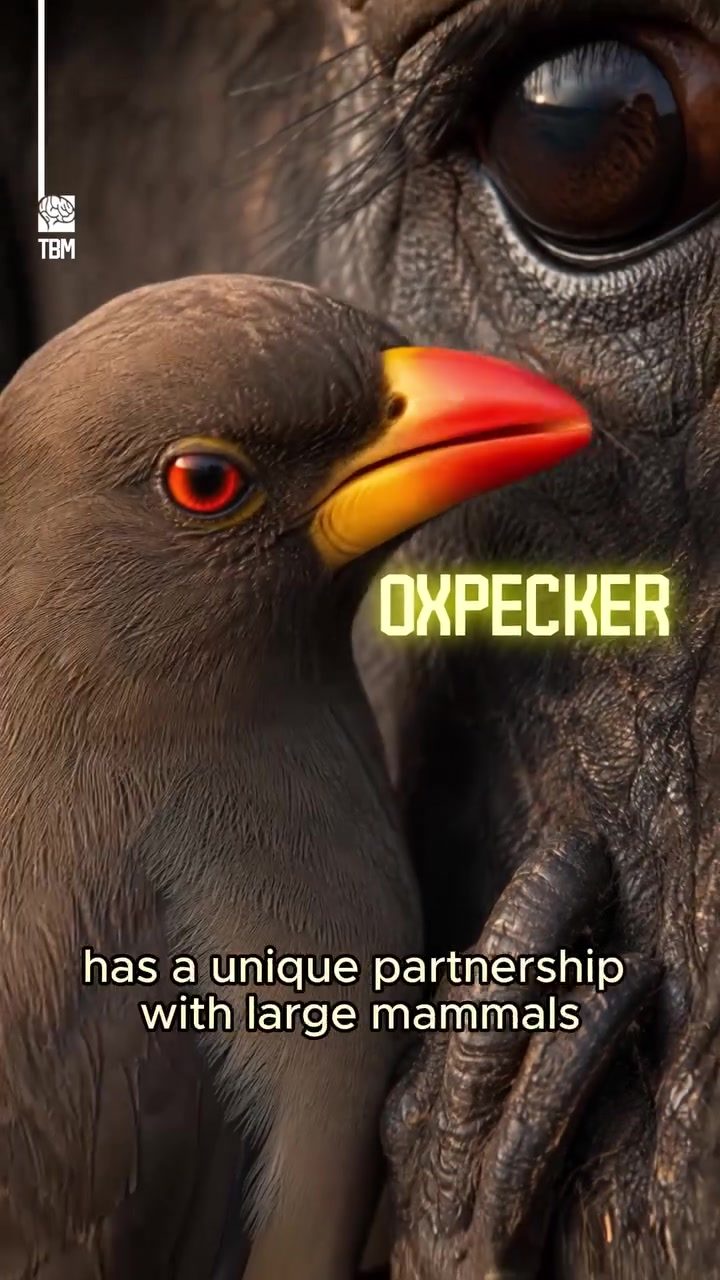
The oxpecker's unique partnership with large mammals is a fascinating example of nature's complex relationships. This small bird is commonly found perched on the backs of buffalo, rhinos, and giraffes across Africa. The relationship between oxpeckers and these large mammals has been a subject of scientific inquiry for many years, revealing a dynamic that is more intricate than initially thought.
Context
The oxpecker's behavior has long been studied due to its unusual association with large herbivores. These birds are known to perch on animals like buffalo, rhinos, and giraffes, and they are often seen pecking at the host animals' skin. This behavior has led many to believe that oxpeckers provide a beneficial service by removing parasites and ticks from their hosts. However, recent research has uncovered a more nuanced understanding of this partnership.
The Partnership Dynamics
Mutual Benefits and Drawbacks
Initially, scientists believed that oxpeckers helped their hosts by feeding on ticks and other parasites. By removing these pests, the birds were thought to aid in the healing process and overall health of the large mammals. However, further investigations revealed that the relationship is not as straightforward as it seems. Oxpeckers are also attracted to blood and often feed from open wounds on the animals. This behavior can slow down the healing process and keep wounds open for longer, which may have detrimental effects on the host animals.
Early Warning System
Despite the potential downsides, oxpeckers can still offer benefits to their hosts. Their sharp eyesight allows them to spot potential dangers from predators or other threats. When they sense danger, their behavior can alert the host animals, causing them to become more vigilant. This early warning system can be crucial for the survival of the large mammals, providing an additional layer of protection.
Ecological Implications
The oxpecker's behavior highlights the complex nature of symbiotic relationships in the wild. These relationships are not always as simple as they first appear, and understanding them requires a deep dive into the intricate dynamics at play. The oxpecker's interactions with large mammals show that mutual benefits and drawbacks can coexist, influencing the overall health and survival of both parties involved.
Practical Tips for Observers
For those interested in observing or studying oxpeckers and their unique partnership, there are a few practical tips to keep in mind. First, it's essential to be patient and observant. Oxpeckers are small and can be easily missed, especially when they are perched on large animals. Second, it's crucial to maintain a safe distance from the animals to avoid disturbing them. This will allow for more natural behavior and better observations. Lastly, consider using binoculars or a camera with a telephoto lens to get a closer look without disturbing the animals.
Ethical Considerations
When observing oxpeckers and their host animals, it's important to follow ethical guidelines. This includes respecting the natural behavior of the animals and avoiding any actions that could cause them harm or distress. By following these guidelines, observers can contribute to a better understanding of these fascinating partnerships while minimizing their impact on the ecosystem.
Important Takeaways
The oxpecker's partnership with large mammals is a prime example of the complexity and nuance found in nature's relationships. While these birds can provide benefits by removing parasites and acting as an early warning system, their behavior of feeding on blood from open wounds can also have detrimental effects. Understanding this partnership requires a balanced view that acknowledges both the benefits and drawbacks. By doing so, we can gain a deeper appreciation for the intricate dynamics at play in the natural world.
Conclusion
The oxpecker's partnership with Africa's large mammals is a testament to the complexity and adaptability of wildlife. This small bird's behavior, while sometimes beneficial, also poses challenges for its hosts. By gaining a deeper understanding of these relationships, we can appreciate the intricate balance and interdependence found in nature. Whether you are a wildlife enthusiast or a scientist, the oxpecker offers a fascinating glimpse into the world of symbiotic relationships, showcasing the depth and complexity that exists in the natural world.
Watch the Reel
Questions readers ask
What types of mammals do oxpeckers typically associate with in Africa?
Oxpeckers are commonly found perched on large African mammals, including buffalo, rhinos, and giraffes. This association is part of their unique and complex relationship with these herbivores, where the birds feed on parasites and ticks while also sometimes feeding on the animal's blood from open wounds.
How do oxpeckers benefit large mammals like buffalo and giraffes?
Oxpeckers benefit these large mammals by removing parasites and ticks from their skin. This service helps maintain the hygiene and overall health of the host animals. However, recent findings suggest that oxpeckers may also feed on the blood from open wounds, which can slow the healing process and potentially harm the host animal.
Why do oxpeckers sometimes feed on the blood from wounds on mammals?
Oxpeckers may feed on the blood from wounds because it provides a rich source of nutrients, particularly iron. This behavior, however, complicates the dynamics of their relationship with the host animals, as it can hinder the healing process of wounds and potentially cause discomfort or harm to the mammals.
Do oxpeckers only feed on parasites and ticks?
While oxpeckers are known for feeding on parasites and ticks, they also have a tendency to feed on the blood from open wounds on the host animals. This behavioral aspect has added a layer of complexity to their relationship with large mammals, as it can have negative effects on the health and well-being of the host.
How do oxpeckers and rhinos interact with each other?
Oxpeckers and rhinos have a mutualistic relationship, where the birds often perch on the rhinos' backs to feed on parasites and ticks. However, oxpeckers may also feed on the blood from open wounds on the rhinos, which can negatively impact the healing process and the overall health of the rhinos. This dynamic reveals the intricate nature of their relationship.
What are the implications of oxpeckers feeding on blood from wounds?
The implications are significant. While the removal of parasites and ticks is beneficial, the oxpecker's feeding on blood from wounds can delay the healing process. This behavior can impact the overall health of the host animals and adds a layer of complexity to the symbiotic relationship between these birds and the mammals they associate with.
Related deep dives
Similar reads based on topic and creator.




Recent articles
Fresh deep dives from the latest Reels we unpacked.




Comments
Be the first to comment.