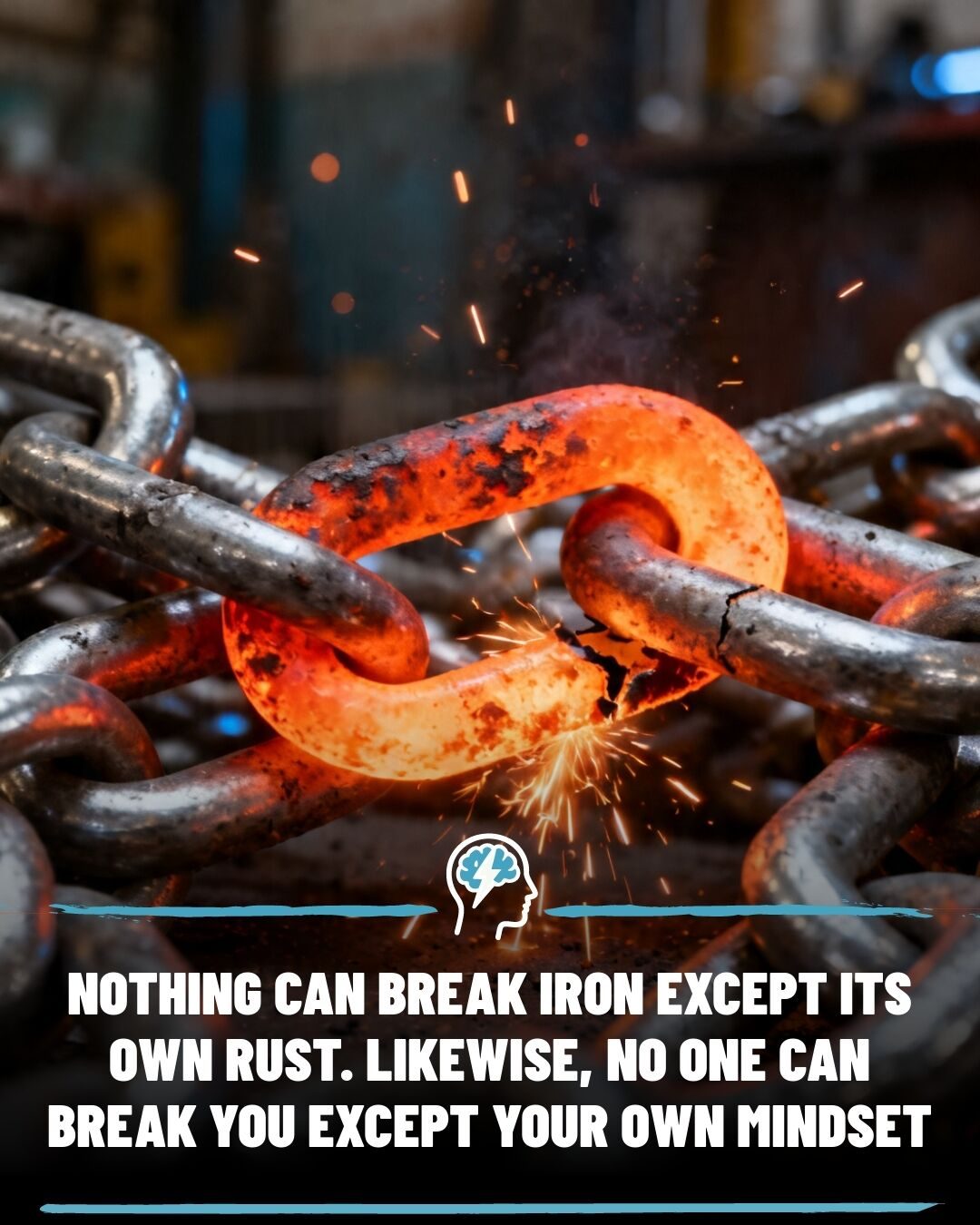
The Power of Mindset in Overcoming Life's Challenges
Mindset plays a crucial role in how we navigate and overcome life's challenges. The narrative we create about our experiences can significantly influence our psychological outcomes, including security, resilience, and emotional well-being. This idea is supported by research that shows the meaning we attach to events, rather than the objective features of those events, can predict how we cope with stress and adversity. You have more influence over your experience than you might realize.
Why This Matters
Understanding the impact of our mindset is important because it provides a framework for interpreting and responding to life's challenges. When people perceive loss or threat in an event, they tend to experience greater psychological insecurity and emotional reactivity. This means that even if an event is not objectively "bad," if we perceive it as such, we are more likely to experience negative psychological outcomes. Conversely, having a stronger sense of life meaning can reduce distress and rumination when stressors hit.
The Science of Meaning and Well-being
The Role of Meaning in Life
Studies have shown that individuals with a stronger sense of life meaning appear to experience less distress and rumination when faced with stressors. For example, one study found that baseline meaning in life predicted reduced repetitive negative thinking about future stressors, including major disruptions like natural disasters. This suggests that having a framework for understanding our experiences can reduce uncertainty and the cascade of distress that typically follows.
Engaging with Self-Transcendent Values
Engaging with self-transcendent values, or focusing on goals beyond just yourself, has also been linked to greater feelings of personal power during difficult times. These values can provide a sense of purpose and meaning that helps individuals navigate challenges more effectively. This is because self-transcendent values often involve contributing to something larger than oneself, which can provide a sense of fulfillment and resilience.
The Power of Inner Dialogue
Your inner dialogue and interpretations can shape your emotional landscape over time. This isn't about ignoring or denying hardships, but rather about recognizing that you may have more influence over your experience than you realize. By consciously framing your experiences in a positive light, you can cultivate a more resilient and emotionally stable mindset.
Practical Tips for Cultivating a Resilient Mindset
Reframing Negative Experiences
One practical way to cultivate a resilient mindset is to reframe negative experiences in a more positive light. Instead of focusing on the loss or threat, try to find the opportunities for growth and learning. For example, if you experience a setback at work, consider it an opportunity to develop new skills or gain a fresh perspective.
Focusing on Self-Transcendent Values
Another practical tip is to focus on self-transcendent values. This means engaging in activities or goals that have a positive impact on others or contribute to something larger than yourself. For example, volunteering or working on a project that benefits your community can provide a sense of purpose and meaning.
Cultivating a Sense of Life Meaning
Cultivating a sense of life meaning can also help you navigate challenges more effectively. This can be achieved by engaging in activities that align with your values and provide a sense of purpose. For example, pursuing a hobby or passion that brings you joy and fulfillment can provide a sense of meaning and purpose.
Important Takeaways
The story you tell yourself about what happens can significantly impact your psychological outcomes. By focusing on the meaning we attach to events, rather than their objective features, we can cultivate a more resilient and emotionally stable mindset. Engaging with self-transcendent values, reframing negative experiences, and cultivating a sense of life meaning are all practical ways to achieve this.
Conclusion
Your inner dialogue and interpretations play a crucial role in shaping your emotional landscape. By recognizing the power of your mindset, you can navigate life's challenges with greater resilience and emotional well-being. Engaging with self-transcendent values, reframing negative experiences, and cultivating a sense of life meaning are all practical steps you can take to achieve this. Remember, you have more influence over your experience than you might realize, and nurturing a positive mindset can become the foundation for how you move through life.
Watch the Reel
Questions readers ask
What exactly is meant by 'mindset' in the context of overcoming challenges?
Mindset refers to the established set of attitudes and beliefs that shape how we perceive and react to life's challenges. It encompasses the narratives we create around our experiences, which greatly influence our psychological responses and overall well-being. In essence, mindset is the lens through which we view and interpret the world.
How can a positive mindset improve resilience in the face of adversity?
A positive mindset can improve resilience by fostering a sense of security and emotional well-being. When we interpret challenging events in a constructive manner, we are better equipped to cope with stress and adversity. This positive interpretation allows us to bounce back from difficulties more effectively, enhancing our ability to endure and overcome life's hurdles.
Can mindset really influence psychological outcomes, or is it just a matter of personality?
Yes, mindset can significantly influence psychological outcomes. Research shows that the meaning we attach to events, rather than the events themselves, predicts how we cope with stress and adversity. While personality plays a role, mindset is a powerful factor because it shapes our interpretations and responses, thereby directly impacting our security, resilience, and emotional well-being.
What are some practical ways to leverage the power of mindset in managing stress?
To leverage the power of mindset in managing stress, start by becoming aware of your thoughts and interpreting events in a constructive light. Practice reframing negative thoughts into positive or more manageable ones. Techniques such as mindfulness and positive self-talk can help reshape your mindset, allowing you to handle stress more effectively and reduce its impact on your well-being.
How can understanding the power of mindset help in shaping my own narrative about life's challenges?
Understanding the power of mindset helps in shaping your narrative by providing a framework for interpreting life's challenges. By recognizing that your perceptions and beliefs influence your psychological outcomes, you can actively choose to create a narrative that promotes security and resilience. This means focusing on the positive aspects of challenging situations and reframing them in a way that empowers you to overcome obstacles.
Can mindset influence the way I handle different types of challenges, such as personal or professional issues?
Yes, mindset can influence how you handle various types of challenges, including personal and professional issues. Whether you're dealing with a difficult relationship or a demanding work project, your mindset shapes your response. By adopting a positive and resilient mindset, you can approach these challenges with a sense of empowerment, making it easier to navigate and overcome them effectively.
Related deep dives
Similar reads based on topic and creator.



Recent articles
Fresh deep dives from the latest Reels we unpacked.




Comments
Be the first to comment.