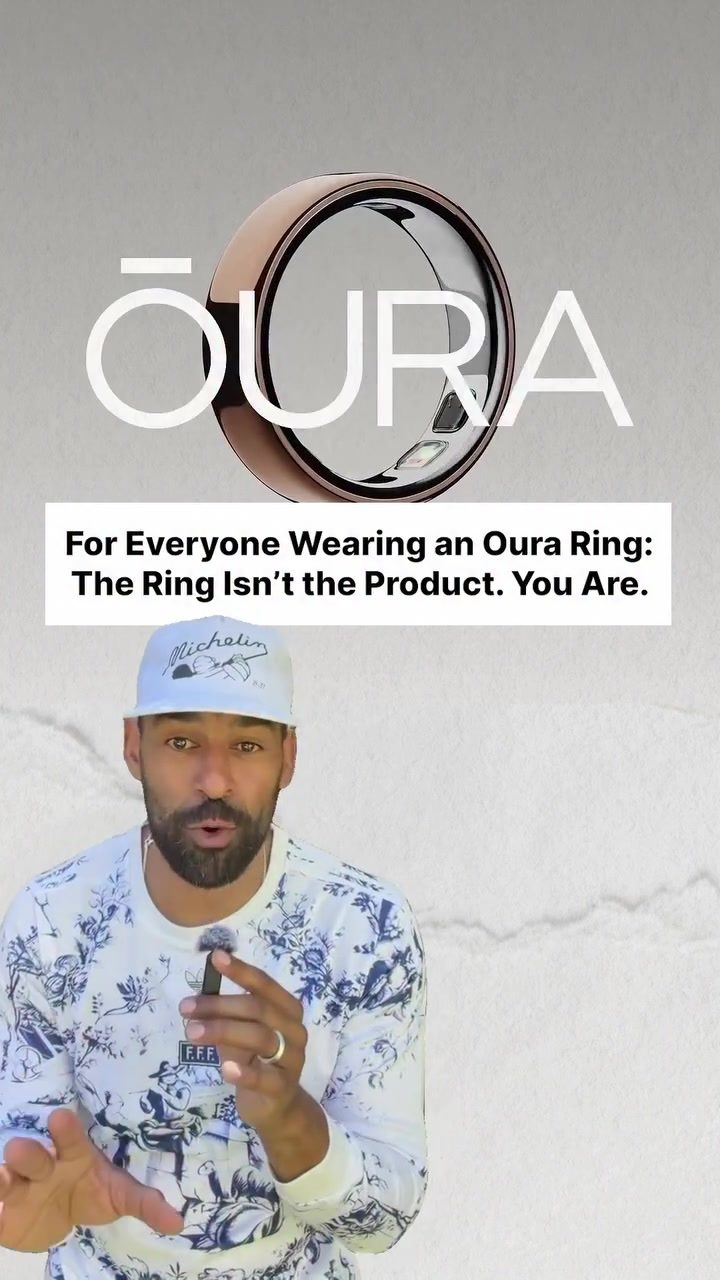
The Oura Ring and the Future of Wearable Technology
Smart rings like the Oura Ring are more than just fashion accessories; they represent the future of wearable technology. The Oura Ring, in particular, is on the verge of making history with a significant IPO, valued at $11 billion. This milestone not only underscores the growing importance of wearable technology but also sheds light on the true value behind these devices.
The True Value of Smart Rings
Many users of smart rings like the Oura Ring believe the device itself is the core product. However, the reality is quite different. The primary asset that companies like Oura are after is not the ring itself, but the data that the ring collects. These devices gather some of the most intimate data about an individual, including sleep patterns, heart rate, and overall bodily functions, all around the clock.
This data is invaluable for AI companies, which are hungry for such detailed and continuous biometric information. The ring is simply the tool that allows companies to access this data. This distinction is crucial to understand the true business model behind wearable technology.
The Market Landscape
The wearable technology market is booming. Smart ring sales, including Oura, jumped by 49% last year. However, this surge in sales is not unique to Oura. Competitors like Samsung, Google, Whoop, and several startups also experienced significant growth. This trend highlights a broader shift in consumer behavior and the potential of wearable technology.
However, as more companies enter the market and develop similar products, the unique selling proposition of any single device diminishes. This saturation leads to a race to the bottom, where companies compete primarily on price rather than innovation. Oura, for instance, has already taken legal action against several competitors, indicating that they believe their unique value lies beyond just the hardware.
The Future of Wearable Technology
Given the current trends, the future of wearable technology is likely to move away from mass-market devices designed for everyone. Instead, we can expect to see a rise in specialized devices tailored to specific user needs. For instance, there could be rings designed specifically for runners, bands for lifters, and wearables tailored for the elderly. This shift towards niche markets means that the future of wearable technology will likely be dominated by devices that cater to specific demographics and activities.
Practical Tips for Choosing a Smart Ring
When choosing a smart ring, it's essential to consider the data it collects and how it can benefit you. Here are some practical tips to help you make an informed decision:
1. Identify Your Needs
Determine what specific data points are important to you. Whether it's sleep tracking, heart rate monitoring, or overall fitness, make sure the ring you choose aligns with your goals.
2. Consider the App Interface
The app associated with the ring is crucial for data analysis. Look for an intuitive and user-friendly interface that allows you to easily navigate through your data and gain meaningful insights.
3. Evaluate the Battery Life
A long battery life ensures that you won't have to frequently charge your ring, which can be inconvenient. Look for devices that offer at least a week of continuous use before needing a recharge.
4. Check Compatibility
Ensure that the ring is compatible with other devices and apps you use. For example, if you use a fitness center, check if the ring can integrate with its systems for a seamless experience.
Important Takeaways
The future of wearable technology is bright, but it's essential to understand the true value behind these devices. The data collected by smart rings and similar wearables is more valuable than the hardware itself. As the market becomes more saturated, companies will need to innovate and cater to specific niches to stay competitive. For consumers, it's crucial to choose a device that aligns with your needs and provides meaningful data insights.
Conclusion
The Oura Ring and similar wearable devices represent a significant shift in how we monitor our health and fitness. As the market evolves, we can expect to see more specialized devices tailored to specific user needs. By understanding the true value of these devices and making informed choices, consumers can fully harness the potential of wearable technology.
Watch the Reel
Questions readers ask
What makes the Oura Ring IPO significant in the wearable technology market?
The Oura Ring IPO, valued at $11 billion, signifies a major milestone in the wearable technology market. It highlights the growing demand for advanced wearable devices and underscores the potential profitability of companies specializing in this sector.
What type of data does the Oura Ring collect?
The Oura Ring collects continuous data about your body, including sleep patterns, heart rate, and temperature. The ring is designed to track your body's metrics over time, providing detailed and intimate insights into your personal health.
How does the Oura Ring's data collection differ from other wearable devices like Whoop or Samsung?
The Oura Ring's data collection is continuous and comprehensive, focusing on sleep tracking and body metrics. While devices like Whoop also track sleep and activity, Oura Ring provides a more detailed and intimate picture of your health, including insights into your body's temperature and heart rate.
What is the main competitive advantage of the Oura Ring?
The Oura Ring's primary competitive advantage lies in its data-driven health insights and the intimacy of the data it collects. By continuously monitoring key health metrics, the Oura Ring offers users a detailed look into their sleep patterns and overall health.
Why is the data collected by the Oura Ring more valuable than the device itself?
The data collected by the Oura Ring is highly valuable because it provides continuous and intimate insights into an individual's health. This data can be used to develop personalized health recommendations, enhance user experiences, and drive future product innovations.
How does the Oura Ring stay ahead in the wearable technology trends?
The Oura Ring maintains its competitive edge by focusing on continuous data collection and providing deep insights into user health. Its unique approach to sleep tracking and overall health monitoring allows it to remain a leader in the wearable technology trends.
Related deep dives
Similar reads based on topic and creator.




Recent articles
Fresh deep dives from the latest Reels we unpacked.




Comments
Be the first to comment.