Ancient Yeast Sourdough
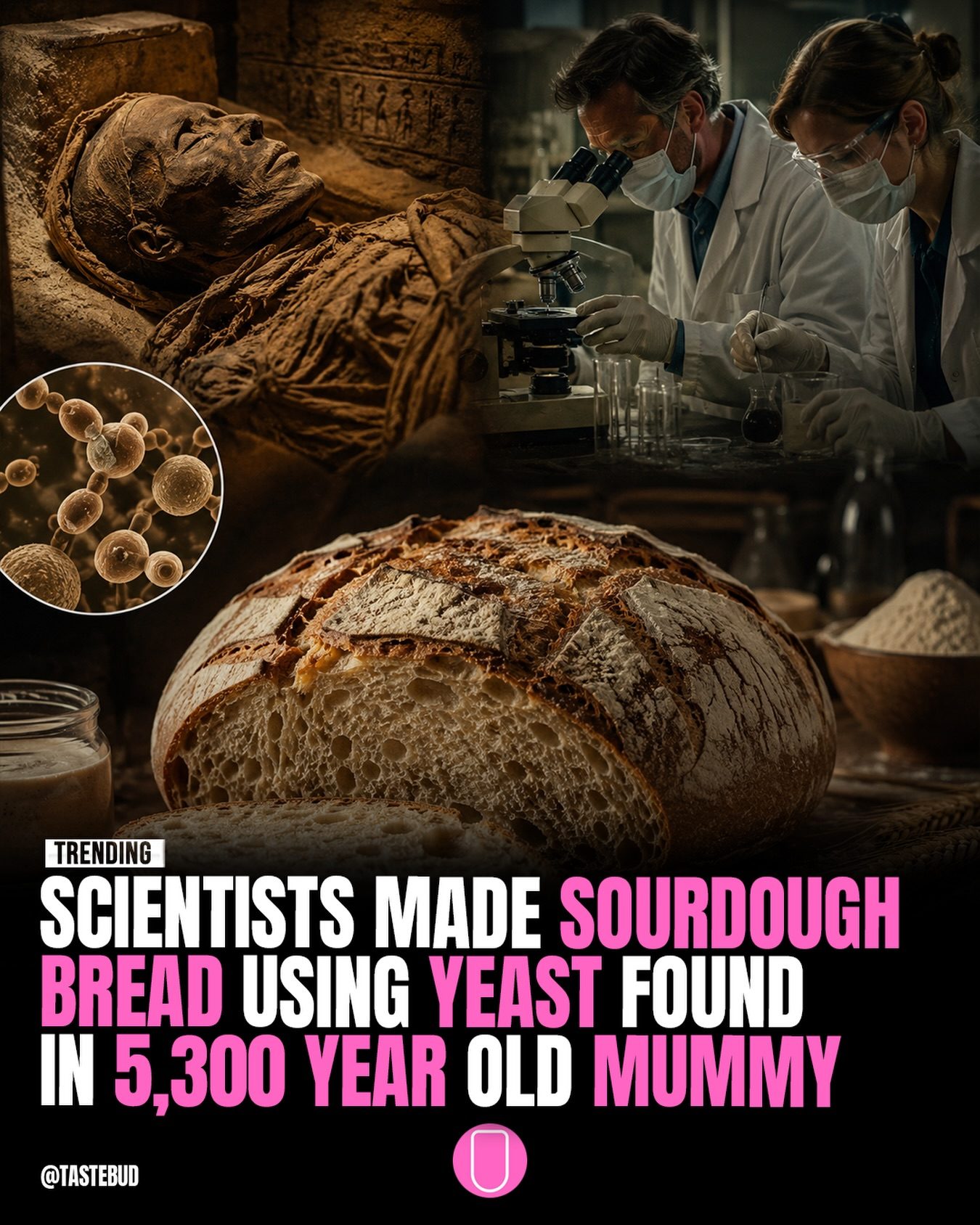
Bread made from ancient yeast strains has long fascinated both scientists and food enthusiasts. Recently, researchers were able to revive microorganisms linked to Ötzi the Iceman, whose well-preserved remains were discovered in the Alps over 5,300 years ago. By isolating and cultivating these ancient microbes, scientists successfully baked sourdough bread with a distinct and unusual flavor profile. This groundbreaking experiment sheds light on the diets and microbiomes of our ancient ancestors and highlights the remarkable resiliency of microorganisms.
Why This Matters
The revival and use of ancient yeast provide a unique window into the past. It reveals how early humans may have interacted with microorganisms in their environment and how these interactions shaped their diets and health. Additionally, the survival of these microbes over millennia demonstrates the incredible durability and adaptability of microorganisms under the right conditions.
This discovery also challenges modern perceptions of fermentation and sourdough bread. It encourages us to consider the potential for other ancient yeast strains and microbial communities to enrich our culinary experiences and deepen our understanding of human history.
Exploring Ancient Yeast and Sourdough
The Science Behind Ancient Yeast
The use of ancient yeast in modern baking is more than a novelty; it's a testament to the enduring power of microorganisms. The microbes extracted from Ötzi's remains were able to thrive and create a live, active culture capable of leavening bread. This process isn't just about recreating an ancient recipe; it's about understanding the biological mechanisms that have supported human life for thousands of years.
The Process of Reviving Ancient Yeast
Revivng ancient yeast is a meticulous process. Researchers must carefully extract and isolate microbial DNA from ancient samples, then cultivate it in a controlled environment. In the case of Ötzi's yeast, this involved recreating conditions similar to those of the ancient environment in which the microbes originally thrived. This careful approach ensures the microbes' survival and enables them to be used in modern applications like baking.
The Flavor Profile of Ancient Sourdough
The sourdough bread made with ancient yeast has a distinct and unique flavor profile. Those who have tasted it describe a deeper, more complex flavor than what is typical in modern sourdough bread. This difference can be attributed to the unique microbial community present in the ancient yeast, which imparts a diverse range of flavors and textures.
The Connection to Ancient Diets
By studying the microorganisms found in Ötzi's remains, scientists gain insights into the diets and lifestyles of ancient humans. The presence of specific yeast strains suggests that these microbes played a crucial role in early human diets, likely aiding in the fermentation of foods and beverages. Understanding these ancient interactions can help shape our understanding of human health and nutrition and may even inspire new approaches to modern food production and preservation.
Practical Tips for Baking with Ancient Yeast
While accessing ancient yeast strains might not be feasible for home bakers, there are ways to experiment with similar techniques and ingredients. Here are some practical tips for those interested in exploring the world of ancient sourdough:
Sourcing Ancient-Inspired Ingredients
While actual ancient yeast strains are hard to come by, modern bakers can experiment with heritage grains and wild yeasts. These ingredients can mimic the flavor profiles and fermentation processes of ancient sourdough. Look for grains like einkorn, spelt, or emmer, and consider foraging for wild yeasts in your local environment.
Cultivating Wild Yeast
Cultivating wild yeast is a rewarding process that connects modern bakers with the ancient practice of fermentation. You can start by mixing flour and water, allowing the mixture to ferment naturally over several days. This starter will develop a unique microbial community that can be used to make sourdough bread with a distinct flavor. Keep in mind that the flavor profile will vary based on your local environment and the specific microbes present in your starter.
Experimenting with Ancient Techniques
In addition to ingredients, experimentation with ancient baking techniques can enhance the flavor and texture of your sourdough. Try baking in a wood-fired oven or using a clay pot, both of which can mimic the conditions of ancient baking. These methods can result in a denser crumb and a richer, more complex flavor.
Important Takeaways
The use of ancient yeast in modern baking offers a unique glimpse into our culinary past. It highlights the resilience of microorganisms and their ability to thrive for thousands of years under the right conditions. Moreover, it reveals how ancient humans may have interacted with their environment and how these interactions shaped their diets and health.
For modern bakers, exploring ancient yeast and fermentation techniques can lead to new flavors, textures, and culinary experiences. By experimenting with heritage grains, wild yeasts, and ancient baking methods, we can connect with our past while innovating in the kitchen.
Conclusion
The revival of ancient yeast and its use in modern sourdough bread is more than just a fascinating culinary experiment—it's a journey through time. By studying these ancient microbes, we gain insights into the diets, lifestyles, and microbiomes of our ancestors. This knowledge not only enriches our understanding of human history but also opens up new possibilities for modern baking.
whether through sourcing heritage grains, cultivating wild yeasts, or experimenting with ancient techniques, the world of ancient sourdough offers endless opportunities for exploration and discovery. Embrace the adventure and see where the flavors of the past can take you in the present.
Watch the Reel
Questions readers ask
How were the microbes from Ötzi the Iceman used to create ancient sourdough bread?
Scientists isolated and cultivated microorganisms found on Ötzi's remains. These ancient microbes were then used to create a sourdough starter, which was subsequently used to bake a loaf of bread. The process involved careful handling to ensure the ancient microbes could thrive.
What makes the ancient sourdough bread from Ötzi unique?
The bread baked with Ötzi's microbes offers a distinctive and unusual flavor profile due to the unique composition of the ancient microorganisms. Moreover, the bread reflects the specific microbes that were present in Ötzi’s environment 5,300 years ago, providing a direct connection to the past.
What can we learn from the ancient sourdough bread about the diets of our ancestors?
The ancient sourdough bread gives insights into the types of microbes that early humans may have consumed and their potential role in the diet. Examining the microbes and the fermentation process can help us understand the ingredients and preparation methods our ancestors might have used.
How does the ancient sourdough differ from modern sourdough?
The ancient sourdough likely has a different microbial composition, leading to unique flavors and textures. Modern sourdough typically relies on a mix of wild yeasts and bacteria from our current environment, while the ancient sourdough was created with microbes preserved from a specific point in history.
What does the revival of ancient microbes tell us about their resilience?
The successful revival and cultivation of ancient microbes from Ötzi the Iceman demonstrates their remarkable ability to survive and thrive under the right conditions. This shows that microorganisms can remain dormant for thousands of years and still be viable when given the opportunity to grow.
What is the significance of the ancient sourdough bread in the context of human history?
The ancient sourdough bread provides a tangible link to the past, offering a rare opportunity to explore the interactions between early humans and their microbial environment. The experiment highlights the importance of fermentation in human history and its role in ancient diets.
Can the ancient sourdough bread be replicated, and if so, how?
While replicating the exact conditions of the ancient sourdough bread can be challenging, researchers can use the information on the revived microbes to create similar bread. This process would involve obtaining the same or similar microbial strains, cultivating them, and using them to bake new loaves of bread.
Related deep dives
Similar reads based on topic and creator.



Recent articles
Fresh deep dives from the latest Reels we unpacked.




Comments
Be the first to comment.