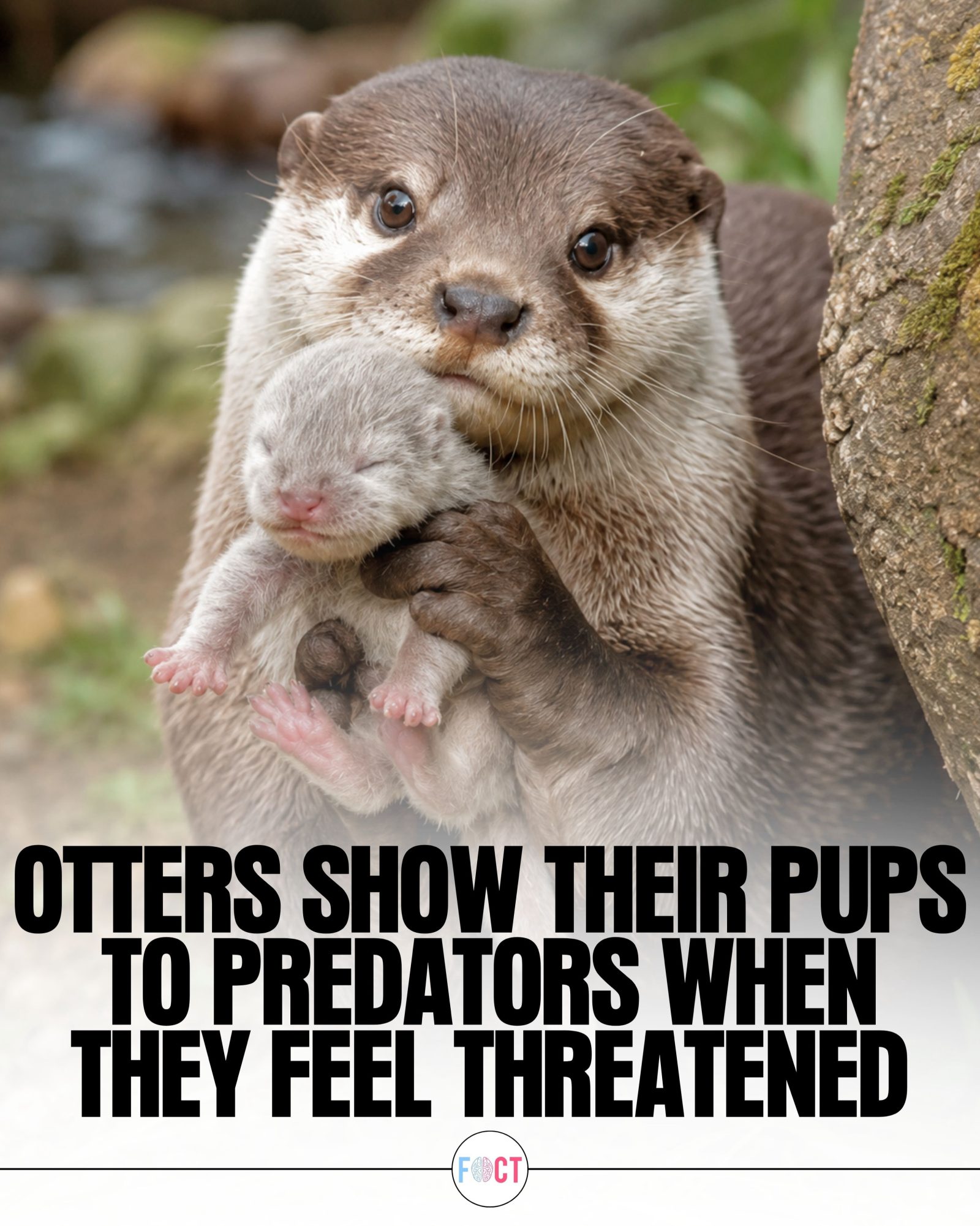
Otter Pup Protection and the Fascinating Behavior of Otters
Otters, known for their playful and social nature, have a unique behavior that has captivated scientists and observers alike. Sometimes, when otters feel threatened, they show their pups to predators. This behavior, while seemingly counterintuitive, is a defense mechanism rooted in survival instincts. Understanding this behavior offers a window into the complex world of otter communication and protection strategies.
Why This Matters
The behavior of otters showing their pups to predators is a prime example of how animals in the wild have evolved intricate strategies to ensure their survival. These strategies aren't always driven by what humans might consider logic or compassion. Instead, they are often the result of millions of years of adaptation and evolution. By exploring this behavior, we gain insights into the natural world and the fascinating ways animals protect their offspring.
The Behavior and Its Implications
Displaying Pups as a Defense Mechanism
When otters feel threatened, they may present their pups to potential predators. This behavior has been observed in various scenarios, with mother otters often holding or displaying their pups when facing danger. The motivation behind this behavior has long been a subject of speculation. Some believe it's a way to evoke sympathy from predators, but scientific evidence suggests otherwise.
The more likely explanation is that otters keep their pups close to protect them or to move them quickly if a threat appears. This behavior is driven by the need to survive in a world filled with predators. It's also important to note that the pups, when presented, may serve as a decoy, allowing the adult otters to escape or to give their pups a chance to flee quickly.
Survival Instincts vs. Human Interpretation
Some behaviors in the animal kingdom can seem very human when viewed through a human lens. For example, the idea that otters might be trying to evoke sympathy from predators anthropomorphizes their actions. Sympathy is a human emotion, and attributing it to animals can lead to misunderstandings about their true motivations.
It's more accurate to view this behavior as a survival mechanism. Otters, like many other species, have evolved to prioritize the protection of their young. Displaying pups to predators may be a strategy to confuse or distract the predator, giving the otter family a chance to escape.
The Role of FOCCT in Wildlife Conservation
FOCCT, the organization behind the observation and documentation of this behavior, plays a crucial role in wildlife conservation. By studying and understanding the behaviors of otters, FOCCT helps to raise awareness about the importance of preserving these animals and their habitats. Their work includes documenting behaviors that might not be immediately apparent to the casual observer, offering a deeper understanding of otter ecology and behavior.
Practical Tips for Observing Otters in the Wild
If you're interested in observing otters and their behaviors, there are a few tips to keep in mind. First, always maintain a safe and respectful distance. Otters are wild animals, and getting too close can stress them out or put you in danger.
Second, be patient. Otters are active during various times of the day, and you might need to spend some time observing before you see any interesting behaviors. Third, keep an eye out for signs of distress. If an otter appears to be displaying its pup, it may be feeling threatened, and it's important to back away and give them space.
Important Takeaways
The behavior of otters showing their pups to predators is a fascinating example of how animals use instinctive behaviors to protect themselves and their young. While this behavior can seem counterintuitive, it is driven by the need for survival. It's important to avoid anthropomorphizing animal behaviors and to recognize them for what they are: adaptive strategies that have evolved over millions of years.
By understanding and respecting these behaviors, we can contribute to the conservation of otters and their habitats. Organizations like FOCCT play a vital role in this effort, providing valuable insights and raising awareness about the importance of protecting these remarkable animals.
Conclusion
Otters are remarkable animals with complex behaviors that have evolved to ensure their survival. The behavior of showing pups to predators is just one example of the intricate strategies they use to protect themselves and their young. By understanding and respecting these behaviors, we can contribute to the conservation of otters and their habitats. Whether you're a wildlife enthusiast or simply curious about the natural world, observing otters in their natural environment can be a deeply enriching experience.
Watch the Reel
Questions readers ask
Why do otters show their pups to predators instead of hiding them?
Otters showing their pups to predators may seem counterintuitive, but it's a defense strategy. By doing so, they may be signaling to the predator that they are already aware of its presence, and the otter could be using this to their own advantage. For example, otters could be trying to scare the predator off, or to distract it. It could also be to convince the predator to leave them alone, and not to waste time attacking. The otter may be trying to show that they are a mother and can put up a good fight, and that an attack might not be worth the effort to the predator.
What do otters gain by displaying their pups to predators?
By displaying their pups, otters might be trying to convey that they are willing to fight to protect their young, which could deter predators. This behavior also demonstrates the otter’s social structure and communication skills, which can help in assessing the situation and responding accordingly. Additionally, it showcases the otter’s adaptability and survival instincts, which are crucial for their long-term survival in the wild.
How is this behavior an example of animal adaptation?
This behavior is a prime example of animal adaptation because it has evolved over time to enhance the otter’s chances of survival in the wild. By showing their pups to predators, otters are using a tactic that has proven effective in their natural environment. This strategy reflects the otter’s understanding of predator behavior and their own capabilities, making it a sophisticated survival technique.
What insights does this behavior provide into otter communication?
Otters showing their pups to predators offers valuable insights into their communication tactics. This behavior suggests that otters use non-verbal signals to convey their willingness to defend their young, which might be a warning to predators that the otter is not an easy target. The ability to communicate effectively in the wild is essential for otters to protect their pups and ensure their survival.
Are there other animals that exhibit similar defense mechanisms?
While this specific behavior of showing pups to predators is unique to otters, other animals have similar defense mechanisms. For instance, some birds will fake injuries to lure predators away from their nests. Likewise, some mammals will aggressively display themselves to predators to protect their young, highlighting the diverse strategies animals use to safeguard their offspring.
How do otters decide when to use this defense mechanism?
Otters likely assess the situation based on the type of predator and the level of threat perceived. Factors such as the predator’s size, behavior, and the otter’s ability to defend itself and its pups all play a role. This decision-making process is instinctual but also influenced by the otter’s experience and understanding of its environment. It showcases the otter’s ability to adapt and respond to different threats.
Related deep dives
Similar reads based on topic and creator.



Recent articles
Fresh deep dives from the latest Reels we unpacked.




Comments
Be the first to comment.