Oregano Antioxidants
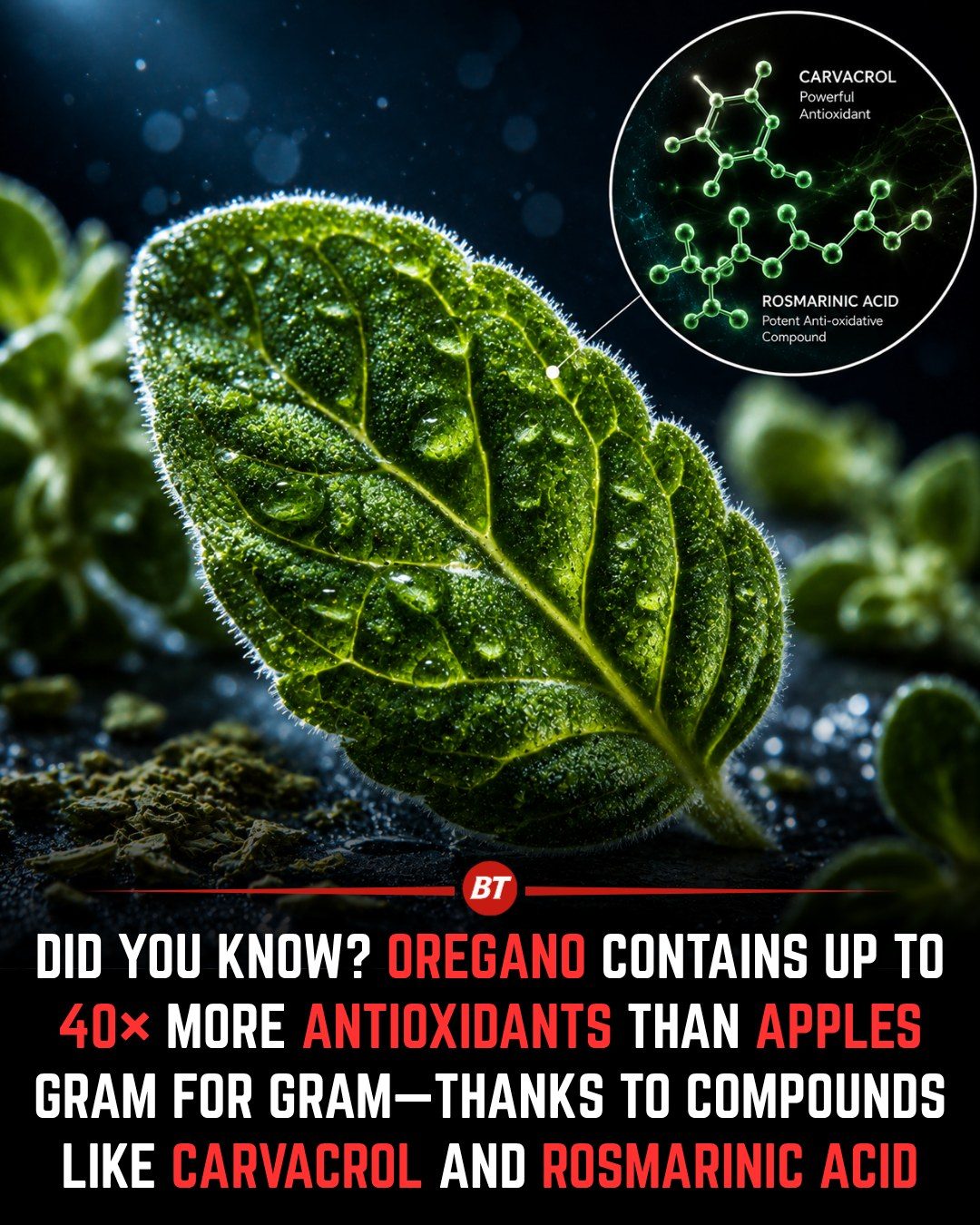
Oregano, a humble herb often associated with pizza seasoning, is a powerhouse of antioxidants. Gram for gram, it contains dramatically more antioxidants than many popular fruits, including apples. This makes oregano one of the most antioxidant-rich culinary herbs available. The herb's antioxidant content is largely due to two key compounds: carvacrol and rosmarinic acid.
Why this matters
Oregano is not just a flavor enhancer; it is a concentrated source of beneficial plant compounds. These compounds, particularly carvacrol and rosmarinic acid, have been extensively studied for their potential health benefits. Understanding the antioxidant properties of oregano can help individuals make informed decisions about incorporating this herb into their diet for potential health advantages.
Main discussion
The Antioxidant Power of Oregano
Oregano's antioxidant capacity is remarkable. Analyses by the USDA have shown that dried oregano has up to 40 times the antioxidant capacity of apples when compared gram for gram. This high antioxidant content is primarily due to the presence of carvacrol and rosmarinic acid, two potent polyphenols found in oregano.
Carvacrol
Carvacrol is a monoterpene phenol that contributes significantly to oregano's antioxidant properties. It is known for its powerful antioxidant effects, which help neutralize free radicals. Free radicals are unstable molecules that can damage cells through oxidative stress, a process linked to various chronic diseases.
Carvacrol also has potential anti-inflammatory, antimicrobial, and immune-supporting properties. Researchers are exploring these properties to understand how carvacrol might contribute to overall health and wellness.
Rosmarinic Acid
Rosmarinic acid is another key compound in oregano that contributes to its antioxidant power. This potent anti-oxidative compound has been studied for its potential health benefits, including its anti-inflammatory and antimicrobial properties. Like carvacrol, rosmarinic acid helps neutralize free radicals, protecting cells from oxidative damage.
Both compounds work synergistically to enhance oregano's overall antioxidant capacity, making it a valuable addition to a balanced diet.
The Role of Oregano in a Healthy Diet
Incorporating oregano into your diet can provide numerous health benefits. While oregano is typically used in smaller quantities compared to fruits and vegetables, its concentrated form means that even a small sprinkle can add a significant amount of beneficial plant compounds to your meals.
Vitamin and Mineral Content
Fresh oregano is also a good source of vitamin K and small amounts of vitamin C. Additionally, it contains flavonoids, which are known for their antioxidant and anti-inflammatory properties. These nutrients make oregano far more than just a flavor enhancer, contributing to a balanced and nutritious diet.
Oregano in Cooking
Oregano's versatility in the kitchen makes it easy to incorporate into various dishes. Whether you're cooking roasted vegetables, eggs, soups, pasta, grilled chicken, or homemade tomato sauce, a sprinkle of dried oregano can enhance both the flavor and nutritional value of your meal.
Pairing oregano with extra-virgin olive oil not only tastes great but also helps absorb some of its fat-soluble plant compounds. This combination can maximize the health benefits of oregano, making your meals more nutritious and delicious.
Practical tips
How to Use Oregano in Your Meals
- Roasted Vegetables: Sprinkle dried oregano over your favorite roasted vegetables for an extra burst of flavor and antioxidants.
- Egg Dishes: Add a pinch of oregano to scrambled eggs, omelets, or frittatas for a Mediterranean twist.
- Soups and Stews: Incorporate oregano into your soups and stews for a depth of flavor and added antioxidants.
- Pasta Dishes: Mix oregano into pasta sauces, or sprinkle it over pasta dishes for a flavor boost.
- Grilled Chicken: Rub oregano onto grilled chicken for a delicious and healthy marinade.
- Tomato Sauce: Stir oregano into homemade tomato sauce to enhance its flavor and nutritional value.
Important takeaways
- Oregano is one of the most antioxidant-rich culinary herbs, containing up to 40 times more antioxidants than apples gram for gram.
- The key compounds in oregano, carvacrol and rosmarinic acid, have powerful antioxidant, anti-inflammatory, and antimicrobial properties.
- Incorporating oregano into your diet can provide numerous health benefits, including protection against oxidative stress and support for immune function.
- Oregano is a versatile herb that can be easily added to a variety of dishes, making it a valuable addition to a balanced and nutritious diet.
Conclusion
Oregano is more than just a pizza seasoning; it is a potent source of antioxidants and beneficial plant compounds. By understanding the health benefits of oregano and incorporating it into your meals, you can enhance both the flavor and nutritional value of your diet. Whether you sprinkle it over vegetables, add it to soups, or use it in sauces, oregano is a versatile and healthful addition to any kitchen.
Watch the Reel
Questions readers ask
How does the antioxidant capacity of oregano compare to that of apples?
Oregano has a significantly higher antioxidant capacity compared to apples. Specifically, just 1 gram of dried oregano can have up to 40 times the antioxidant capacity of an apple, making it an excellent choice for increasing antioxidant intake.
What are the key compounds in oregano that contribute to its high antioxidant content?
The primary compounds in oregano that contribute to its high antioxidant content are carvacrol and rosmarinic acid. These compounds are known for their potent antioxidant properties and potential health benefits.
Why is understanding the antioxidant properties of oregano important?
Understanding the antioxidant properties of oregano is important because it allows individuals to make informed choices about their diet. Incorporating oregano into meals can help boost antioxidant intake, which may support overall health and wellness.
Can oregano be used to enhance the antioxidant content of meals?
Absolutely. Oregano is not only a flavorful addition to dishes but also a concentrated source of antioxidants. By using oregano in cooking, you can enhance the antioxidant content of your meals, making them more beneficial to your health.
Are there other herbs with high antioxidant content like oregano?
While oregano is notably high in antioxidants, there are other herbs that also offer significant antioxidant benefits. Examples include rosemary, thyme, and cinnamon. However, oregano stands out for its exceptionally high antioxidant capacity per gram.
Recent articles
Fresh deep dives from the latest Reels we unpacked.




Comments
Be the first to comment.