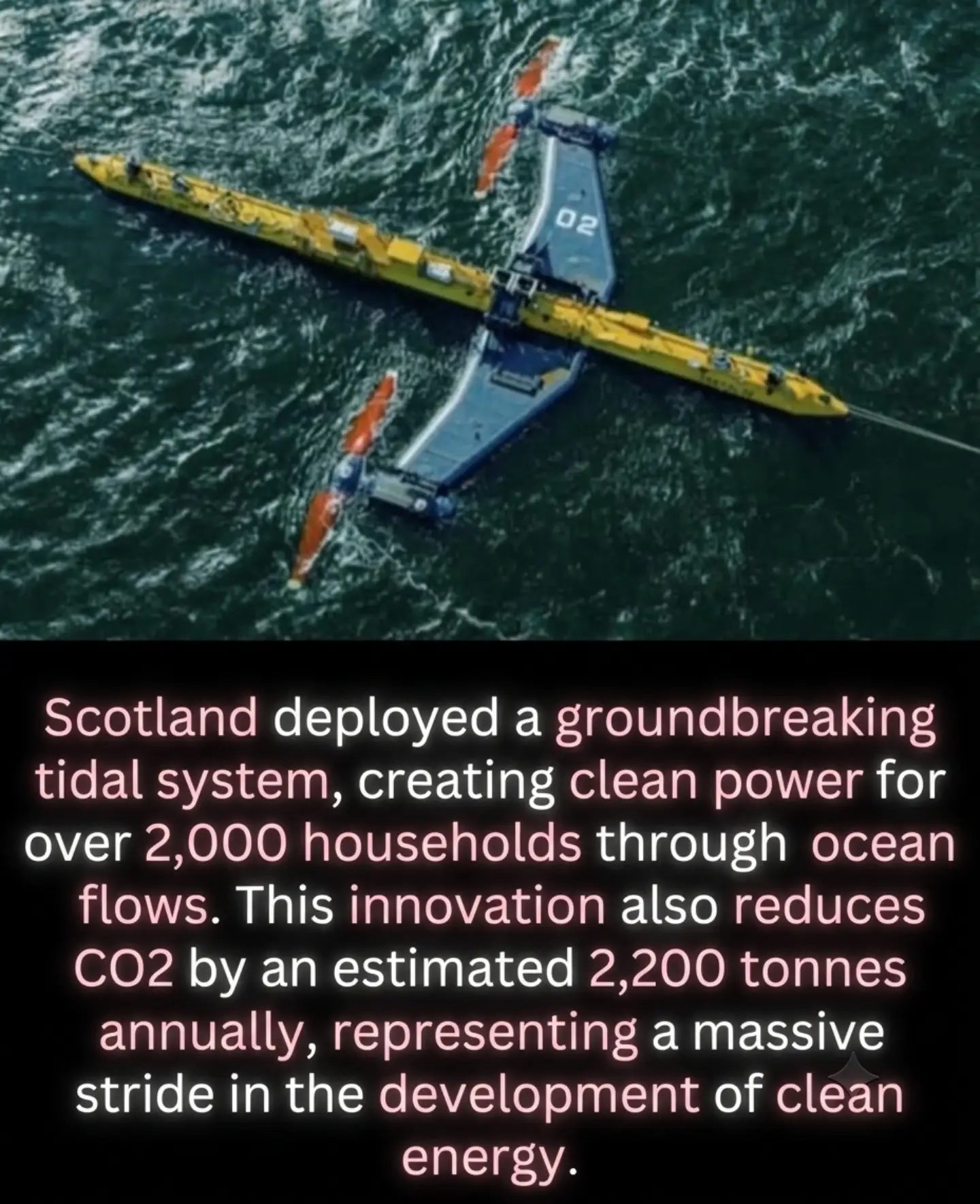
Tidal Energy Systems: Harnessing the Power of the Ocean
Tidal energy systems, particularly the Orbital O2, are revolutionizing the renewable energy landscape. Operating off the northern coast of Scotland, this floating tidal turbine is a testament to the potential of tidal energy. Here's a closer look at what makes this system a game-changer and why it matters for our energy future.
Why this Matters
Tidal energy holds a unique position in the renewable energy sector due to its predictability and consistency. Unlike solar or wind energy, which can be intermittent, tides are driven by the gravitational forces of the Moon and Sun, making them 100% predictable. This consistency is crucial for grid stability and energy planning. Scotland, with its extensive coastline and strong tidal currents, is at the forefront of this technology, serving as a global hub for marine energy testing.
Orbital O2: A Closer Look
Predictable Power
One of the standout features of the Orbital O2 is its ability to harness energy from the Moon-driven tides. This predictability ensures a steady supply of energy, which is essential for meeting the demand and maintaining grid stability. While solar and wind energy production can fluctuate based on weather conditions, tidal energy provides a reliable source of power.
Massive Energy Output
The Orbital O2 is currently the world’s most powerful floating tidal turbine. A single structure can generate enough clean energy to power around 2,000 homes. This significant output highlights the potential of tidal energy to contribute substantially to the renewable energy mix.
Smart Design for Efficient Operations
The design of the Orbital O2 is both innovative and practical. The yellow central hull and blue wings are not just aesthetically pleasing; they serve a functional purpose. The legs of the structure can raise the turbines to the surface, making maintenance easier and drastically lowering operational costs. This design ensures that the system can operate efficiently with minimal downtime, further enhancing its viability as a renewable energy source.
Environmental Benefits
Tidal energy systems like the Orbital O2 offer significant environmental benefits. By generating clean energy, these systems reduce reliance on fossil fuels, which in turn reduces greenhouse gas emissions. Specifically, the Orbital O2 reduces CO2 emissions by an estimated 2,200 tonnes annually. This reduction is a significant stride in the development of clean energy and helps in meeting net-zero goals.
Practical Tips for Tidal Energy Systems
Site Selection
When considering the deployment of tidal energy systems, site selection is critical. The ideal locations are those with strong and consistent tidal currents, such as the coasts of Scotland. Conducting thorough site assessments and environmental impact studies is essential to ensure the system’s effectiveness and environmental sustainability.
Maintenance
Regular maintenance is key to the longevity and efficiency of tidal energy systems. The smart design of systems like the Orbital O2, which allows for easy access to the turbines, is a significant advantage. Regular inspections and timely maintenance can prevent major breakdowns and ensure optimal performance.
Integration with the Grid
Integrating tidal energy with the existing power grid requires careful planning. Collaboration with energy providers and grid operators is essential to ensure a smooth transition. Systems need to be designed to work seamlessly with the grid, providing a stable and predictable source of energy.
Important Takeaways
- Predictability: Tidal energy is 100% predictable, making it a reliable source of power.
- High Output: A single tidal energy system can generate enough clean energy to power thousands of homes.
- Environmental Benefits: Tidal energy systems significantly reduce CO2 emissions, contributing to clean energy goals.
- Efficient Design: Innovative designs, like those of the Orbital O2, make maintenance easier and more cost-effective.
Conclusion
The Orbital O2 and other tidal energy systems represent a significant advancement in renewable energy technology. By harnessing the power of the ocean, these systems provide a predictable, high-output, and environmentally friendly source of energy. As the world continues to seek ways to meet net-zero goals, tidal energy systems offer a promising solution. With ongoing advancements and increased adoption, tidal energy could play a crucial role in shaping the future of renewable energy.
Watch the Reel
Questions readers ask
How does the Orbital O2 tidal turbine generate electricity?
The Orbital O2 harnesses the power of moon-driven tides. As the tides flow in and out, they turn the turbine's blades, which then drive a generator to produce electricity. This process ensures a steady and predictable supply of energy.
What makes tidal energy a reliable source of power?
Tidal energy, including that produced by the Orbital O2, is driven by the gravitational pull of the Moon and Sun, making it 100% predictable. This consistency allows for better energy planning and grid stability compared to other renewable sources like solar or wind.
How many homes can the Orbital O2 tidal turbine power?
The Orbital O2 turbine has the capacity to generate enough clean energy to power approximately 2,000 homes. This significant output highlights the potential of tidal energy to contribute to a clean energy future.
What advantages does a floating tidal turbine like the Orbital O2 have?
Floating tidal turbines like the Orbital O2 are designed to be flexible in placement and can be installed in areas with strong tidal currents. This makes them ideal for harnessing ocean energy in coastal regions, offering a practical solution for renewable energy production.
How does tidal energy contribute to grid stability?
Tidal energy, including that from the Orbital O2, enhances grid stability due to its predictable nature, which allows for better energy management. Unlike intermittent sources, tidal energy provides a consistent supply, making it easier to match power generation with demand.
What role does Scotland's coastline play in tidal energy generation?
Scotland's extensive coastline and strong tidal currents make it an ideal location for tidal energy systems. The Orbital O2 turbine, situated along the northern coast, benefits from these conditions, showcasing the potential for tidal renewable energy in the region.
Related deep dives
Similar reads based on topic and creator.



Recent articles
Fresh deep dives from the latest Reels we unpacked.




Comments
Be the first to comment.