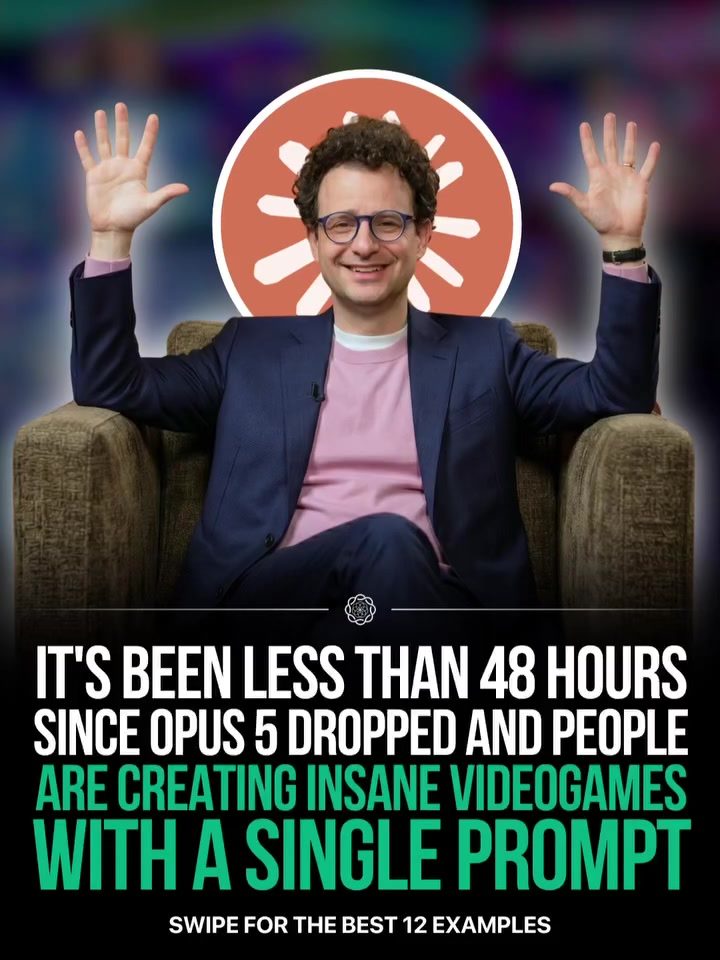
Opus 5: Revolutionizing Digital Art and Video Game Creation from a Single Prompt
The digital art and video game creation landscape is evolving rapidly with the release of Claude Opus 5, a cutting-edge AI model from Anthropic. Released less than 48 hours ago, Opus 5 is already making waves among creators. This powerful tool enables the rapid creation of detailed video games and interactive visual experiments from a single prompt. Opus 5 not only plans the concept but also writes the code and assembles the experience. This streamlined process minimizes manual input, making it a game-changer in the digital art and video game creation space.
Why This Matters
Opus 5's ability to turn a single prompt into a fully realized digital art or video game project is a significant leap forward in efficiency and creativity. The traditional process of creating digital art or video games usually involves multiple tools and a substantial amount of time. With Opus 5, creators can produce interactive clips and strange visual experiments that would normally require several tools and far more time. The speed of creation is what truly stands out.
Digitally created content has been a cornerstone of visual storytelling for a long time. However, the advent of AI in this field has given rise to new creative possibilities. AI coding models are quickly becoming creative production tools, allowing creators to focus more on the creative aspect rather than the technicalities.
Main Discussion
Concept Planning
Opus 5's most impressive feature is its ability to plan concepts from a single prompt. This feature allows creators to focus on the creative aspects of their project without getting bogged down by the technical details. Opus 5 can generate detailed plans, write the necessary code, and even assemble the experience with minimal manual input. This capability significantly reduces the time and effort required to bring an idea to life.
Code Generation
Writing code is often the most time-consuming part of creating digital art or video games. Opus 5 bypasses this hurdle by automatically generating the required code. This feature is particularly useful for those who may not have extensive coding knowledge but still want to create complex digital art or video games. The generated code is not only efficient but also scalable, allowing for easy adjustments and modifications.
Assembly of Experience
Once the concept and code are in place, Opus 5 takes care of assembling the experience. This includes everything from designing the visuals to creating interactive elements. The result is a polished, detailed project that requires very little manual input. This feature is a boon for small teams or individuals who may not have the resources to hire a large team of developers and designers.
Examples and Applications
Since its release, creators have been sharing interactive clips and strange visual experiments that showcase the capabilities of Opus 5. These examples range from simple digital art pieces to complex video games. The speed and creativity enabled by this tool are evident in the variety and quality of projects being produced. Even though the results are still rough in places, the potential for further refinement is immense.
Speed of Creation
One of the standout features of Opus 5 is the speed at which it can create detailed digital art or video games. This is particularly useful for creators who need to produce content quickly for projects with tight deadlines. The ability to generate a fully realized project from a single prompt in a short amount of time is a game-changer in the industry.
Practical Tips
Get Started with Basic Prompts
If you're new to Opus 5, start with simple prompts to understand how the tool works. Experiment with different types of prompts to see how the tool interprets and executes them. Over time, you can move on to more complex prompts as you become more comfortable with the tool.
Leverage the Power of Customization
Opus 5 allows for a high degree of customization. Once you have a basic project in place, you can customize it by tweaking the code or adding more details to the visuals. This flexibility allows you to create unique projects that stand out.
Collaborate and Share
Since Opus 5 is designed to work with minimal manual input, it's a great tool for collaboration. You can collaborate with other creators by sharing your prompts or code. This collaborative approach can help you learn new techniques and expand your creative horizons.
Important Takeaways
Opportunity for Innovation
Opus 5 provides a unique opportunity for creators to innovate. With its ability to generate detailed projects from a single prompt, the possibilities are endless. This tool can help you bring your most creative ideas to life in ways you never thought possible.
Efficiency in Production
The speed and efficiency of Opus 5 make it an invaluable tool for creators. Whether you're working on a personal project or a professional one, Opus 5 can help you save time and effort, allowing you to focus more on the creative aspects.
Future of Digital Art and Video Games
AI models like Opus 5 are the future of digital art and video game creation. As these tools become more advanced, they will continue to revolutionize the industry, making it easier for creators to bring their ideas to life.
Conclusion
Claude Opus 5 is a groundbreaking tool that is already making waves in the digital art and video game creation space. Its ability to plan concepts, generate code, and assemble experiences from a single prompt makes it a game-changer. Whether you're a seasoned creator or just starting out, Opus 5 provides a unique opportunity to innovate and create with unprecedented efficiency. As AI models continue to evolve, tools like Opus 5 will undoubtedly play a significant role in shaping the future of digital art and video games.
Watch the Reel
Questions readers ask
How does Opus 5 differ from other AI game design tools?
Opus 5 stands out by generating complete, interactive video games and digital art from a single user prompt. Unlike other tools, it not only creates visuals but also plans concepts, writes code, and assembles the entire experience, significantly reducing manual work.
What kind of prompts can be used with Opus 5?
Opus 5 can interpret a wide range of prompts. You can describe a game concept, a specific art style, or even a narrative, and the AI will generate a detailed, interactive experience based on your input.
How quickly can Opus 5 generate a video game?
As its name suggests, Opus 5 can create a video game in a matter of hours. This rapid development is achieved by minimizing manual input and automating the planning, coding, and assembly processes.
Can Opus 5 be used by beginners with no coding experience?
Yes, Opus 5 is designed to be user-friendly. Even users with no coding experience can generate video games and digital art by simply providing a prompt. The AI handles the technical aspects of the creation process.
What are some examples of what can be created with Opus 5?
Opus 5 can generate a variety of interactive content, from full-fledged video games to unique digital art pieces. Examples include platformers, puzzle games, and interactive visual experiments, all created from a single descriptive prompt.
Is Opus 5 capable of generating digital art as well as video games?
Yes, Opus 5 is versatile and can create both video games and digital art. It can generate interactive visual experiments and other forms of digital art alongside traditional video games, offering a broad range of creative possibilities.
How does Opus 5 accelerate video game development?
Opus 5 accelerates video game development by automating many of the time-consuming tasks involved in game creation. By planning concepts, writing code, and assembling experiences from a single prompt, it streamlines the creative process and reduces the time needed to produce a final product.
Related deep dives
Similar reads based on topic and creator.


Recent articles
Fresh deep dives from the latest Reels we unpacked.




Comments
Be the first to comment.