SEO Content Strategy for Skincare Brands
Modern search optimization, or "Search Everywhere Optimization" (SEO), requires a nuanced understanding of audience needs and tailored content. This approach entails thinking from the inside out—designing content that aligns with user intent and search queries. We will explore a framework that integrates a persona-to-intent map, optimizing content for various search types to enhance visibility and engagement.
Why This Matters
In today’s digital landscape, simply creating content is not enough. Brands must strategically align their content with the diverse search intents of their audience. This ensures that content not only attracts but also retains and converts users. Understanding and categorizing search intents can help brands create targeted, relevant content that meets users' needs at every stage of their journey.
Understanding the Persona to Intent Map
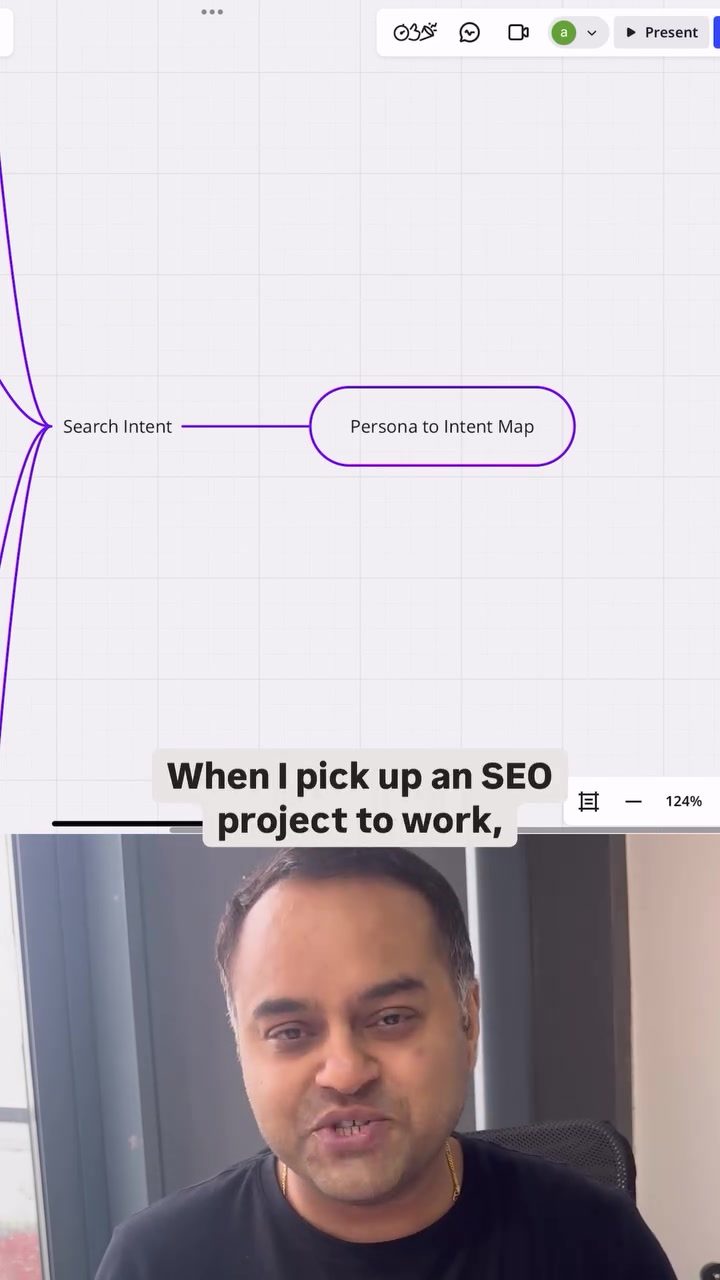
When starting an SEO project, the first step is to create a persona-to-intent map, which is divided into four main categories:
- Informational or awareness-led searches
- Commercial investigation
- Transactional searches
- Navigational searches
Each of these categories requires a different approach to content creation and optimization. Let’s delve into each category and explore how to optimize content for them.
Informational or Awareness-Led Searches
These searches are aimed at users seeking information or answers to specific questions. For a skincare brand, informational search queries might include "how to reduce wrinkles naturally" or "best anti-aging ingredients for skin."
Content Types and Opportunities
- Content Types: Blog posts, educational guides, expert interviews, skincare explainer videos, and FAQ pages.
- SEO Opportunities: Appear in featured snippets, use FAQ schema, and employ long-tail keywords to capture specific search queries.
For instance, a blog post on "Why does skin lose elasticity with age?" can be enriched with FAQ schema to appear in featured snippets, increasing visibility and providing immediate answers to users.
Commercial Investigation
Commercial investigation searches occur when users are aware of their problem and are looking for solutions. They might search for "best anti-aging serums for women over 40" or "dermatologist-recommended anti-aging skincare."
Content Types and Opportunities
- Content Types: Comparison articles (e.g., "Best Anti-Aging Serums Compared"), ingredient deep dives, and user testimonials & reviews.
- SEO Opportunities: Use comparison keywords (e.g., "best," "vs," "reviews") to target these searches and drive traffic to detailed comparison content.
An example of effective content for this stage is a comprehensive guide on "Retinol vs. Vitamin C for aging skin," complete with user testimonials and expert insights.
Transactional Searches
Transactional searches are made by users with a clear intent to purchase. They might look for "buy anti-aging serum for women over 40" or "best anti-aging serum with hyaluronic acid."
Content Types and Opportunities
- Content Types: Product pages, landing pages with trust signals, discount offers, and subscription plans.
- SEO Opportunities: Optimize for purchase-related keywords and ensure product pages are well-structured with clear calls to action.
For a skincare brand, optimizing product pages for search queries like "buy anti-aging serum for women over 40" can capture high-intent traffic and drive sales.
Navigational Searches
Navigational searches are conducted by users looking for a specific brand or product. They might search for "brand-name anti-aging serum reviews" or "is brand-name serum good for wrinkles?"
Content Types and Opportunities
- Content Types: Customer testimonials, brand story pages, and press features/press releases.
- SEO Opportunities: Leverage user-generated content and positive reviews to build trust and credibility.
Ensure that user-generated content and positive testimonials are prominently featured on your website to capture these searches and build brand trust.
Practical Tips
Utilize Long-Tail Keywords
Long-tail keywords are specific, often longer phrases that users search for. They can drive highly targeted traffic to your content. For example, instead of optimizing for "anti-aging serum," target "best anti-aging serum for dry skin in winter."
Leverage FAQ Schema
FAQ schema can help your content appear in featured snippets, providing immediate answers to users and increasing visibility. Ensure your FAQ pages are well-structured and cover a wide range of user queries.
Optimize for Voice Search
With the rise of voice assistants like Google Assistant and Siri, optimizing for voice search is crucial. Use conversational language and focus on answering common questions in your content.
Use Comparison Content
Comparison content, such as "Best Anti-Aging Serums Compared," can capture users in the commercial investigation stage. This type of content helps users make informed decisions and positions your brand as a trusted authority.
Important Takeaways
Align Content with Search Intent
Each type of search intent requires a tailored approach to content creation. By understanding and aligning your content with these intents, you can create a cohesive strategy that drives traffic and engagement.
Utilize Diverse Content Types
Different search queries call for different content types. Use a mix of blog posts, educational guides, expert interviews, and FAQ pages to cater to various user needs and intents.
Optimize for Visibility
Employ long-tail keywords, FAQ schema, and comparison content to optimize your visibility. This ensures that your content appears in relevant search results and captures high-intent traffic.
Leverage User-Generated Content
User-generated content, such as testimonials and reviews, can build trust and credibility. Ensure that positive testimonials and user reviews are prominently featured on your website to capture navigational searches.
Conclusion
In the evolving landscape of modern SEO, aligning your content with user intent and search queries is crucial. By creating a persona-to-intent map and optimizing content for informational, commercial, transactional, and navigational searches, brands can design a comprehensive SEO strategy that drives visibility, engagement, and conversions. From blog posts and educational guides to expert interviews and product pages, a well-rounded approach ensures that your content meets the diverse needs of your audience, enhancing your brand's online presence and authority.
Watch the Reel
Questions readers ask
What is a persona-to-intent map and how does it benefit skincare brands?
A persona-to-intent map is a framework that aligns user personas with their specific search intents at various stages of the customer journey. For skincare brands, this map helps identify and create content tailored to users' needs, from initial awareness to making a purchase, enhancing overall SEO performance.
How can understanding search intent improve skincare SEO efforts?
Understanding search intent allows skincare brands to create content that directly addresses what users are looking for, whether it's information, product comparisons, or specific products. This alignment ensures that the content meets user needs, increasing engagement and conversion rates.
What are the different types of search intent in skincare SEO?
The primary types of search intent in skincare SEO are informational, commercial, transactional, and navigational. Informational searches seek knowledge, such as 'best skincare routines for anti-aging.' Commercial searches involve comparing products, like 'top anti-aging creams.' Transactional searches aim to make a purchase, and navigational searches direct users to a specific brand or product.
Why is it important to create tailored content for each search intent?
Creating tailored content for each search intent ensures that users find relevant information at every stage of their journey. For example, providing detailed guides for informational searches and clear product pages for transactional searches can significantly improve user satisfaction and boost SEO rankings.
Can you provide an example of effective content for informational search intent in skincare?
An effective example of informational content for skincare could be a comprehensive blog post on 'Top Skincare Tips for Glowing Skin.' This post would cover various aspects of skincare, including ingredients, routines, and product recommendations, providing valuable insights to users seeking information.
How does a persona-to-intent map help in strategic content planning for skincare brands?
A persona-to-intent map assists in strategic content planning by mapping out the journey of different user personas and their specific search intents at each stage. This enables skincare brands to create a diverse range of content that caters to these needs, ensuring that all types of search queries are effectively addressed.
What are some best practices for skincare SEO in creating blog content?
Best practices for skincare SEO in creating blog content include using relevant keywords naturally, focusing on user intent, and ensuring high-quality, informative content. Additionally, incorporating internal and external links, optimizing meta descriptions, and ensuring mobile-friendly design can greatly enhance the blog's SEO performance.
Recent articles
Fresh deep dives from the latest Reels we unpacked.




Comments
Be the first to comment.