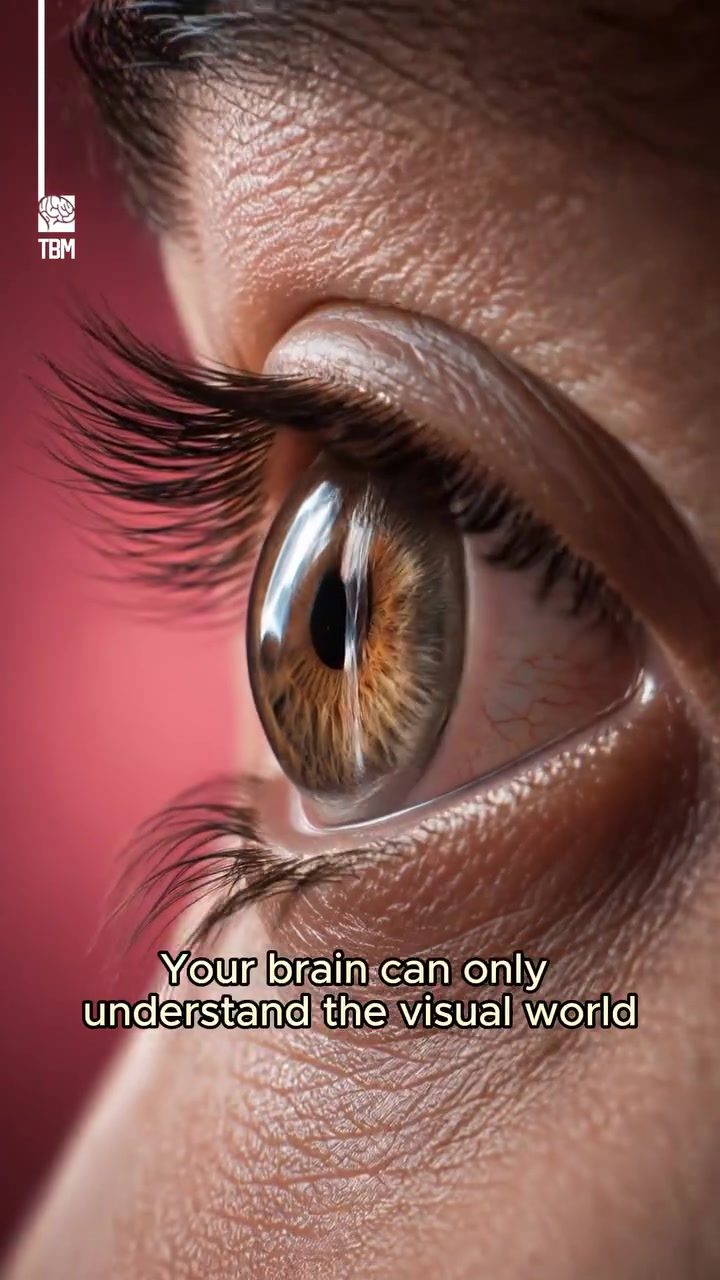
Visual Perception and the Brain
The brain processes visual information through a complex neural pathway. Understanding the optic nerve and its role in transmitting visual signals is crucial for grasping how vision truly works.
Context / Why this matters
Visual perception is a fundamental aspect of human cognition. The brain relies on the optic nerve to receive and interpret visual signals, making it an essential component of our ability to understand and navigate the world around us. By exploring the neural pathway that carries images from the eyes to the brain, we can gain a deeper appreciation for the intricate processes involved in vision.
Main discussion
The Optic Nerve: The Gateway to Visual Information
The optic nerve is a critical component in the process of visual perception. It is composed of over one million nerve fibers, which are the long extensions of specialized retinal ganglion cells located at the back of the eye. These fibers bundle together to form a thick, cable-like structure that exits the eye and travels toward the brain. The primary function of the optic nerve is to transmit visual information.
The Journey of Visual Signals
When light enters the eye, the retina converts it into electrical signals. These signals travel through the optic nerve at high speeds, ensuring that visual information is delivered to the brain efficiently. The optic nerves from both eyes converge at a structure called the optic chiasm, where some nerve fibers cross to the opposite side. This crossing allows visual information from both eyes to be combined and processed efficiently, enabling the brain to create a cohesive visual image.
The Optic Chiasm: A Critical Junction
The optic chiasm is a crucial point in the visual pathway. It is where the optic nerves from both eyes meet and where some nerve fibers cross to the opposite side. This crossing is essential for combining visual information from both eyes, allowing the brain to process depth perception and stereovision. The optic chiasm ensures that the brain receives a complete and accurate representation of the visual world.
The Central Nervous System and Visual Information
Unlike most nerves in the body, the optic nerve is considered part of the central nervous system. It is covered by the same protective layers as the brain, highlighting its importance in visual perception. The optic nerve serves as the critical communication pathway that allows the brain to receive and interpret visual information. This protective covering ensures that the delicate nerve fibers are safeguarded from damage, maintaining the integrity of visual signals.
Practical tips
Protecting Your Vision
Understanding the optic nerve and its role in visual perception can help you take better care of your eyes. Regular eye check-ups can detect any issues with the optic nerve early, allowing for timely intervention. Protecting your eyes from injury and avoiding activities that may strain the optic nerve, such as prolonged screen time, can also help maintain optimal visual health.
Maintaining Optic Nerve Health
Maintaining a healthy lifestyle can support optic nerve health. This includes eating a balanced diet rich in vitamins and minerals, particularly those that support eye health, such as vitamins A and E. Regular exercise and adequate sleep also contribute to overall health, including the health of the optic nerve. Avoiding smoking and excessive alcohol consumption can further promote optic nerve health.
Addressing Visual Impairments
If you experience any changes in your vision, such as blurred vision, difficulty seeing in low light, or loss of peripheral vision, it is essential to seek medical attention. These symptoms can indicate issues with the optic nerve or other parts of the visual system. Early diagnosis and treatment can prevent further damage and preserve your vision.
Important takeaways
- The optic nerve is the primary pathway for visual information to reach the brain.
- The optic chiasm is a critical junction where visual information from both eyes is combined and processed efficiently.
- The optic nerve is part of the central nervous system and is protected by the same layers as the brain.
- Maintaining a healthy lifestyle and regular eye check-ups can support optic nerve health and preserve vision.
Conclusion
The journey of visual information from the eyes to the brain is a complex and fascinating process. The optic nerve plays a crucial role in transmitting these signals, allowing the brain to interpret and understand the visual world. By taking care of our eyes and being aware of the signs of visual impairment, we can ensure that this incredible neural pathway continues to function optimally.
Watch the Reel
Questions readers ask
What is the primary function of the optic nerve in visual perception?
The optic nerve's primary function in visual perception is to transmit visual signals from the retina in the eye to the brain. It serves as the key pathway for sending the electrical impulses that correspond to what we see to the visual cortex.
How does the optic nerve transmit visual information from both eyes to the brain?
The optic nerve from each eye partially crosses over at the optic chiasm, allowing the brain to receive input from both eyes, which enables depth perception and stereopsis. This enables a unified, three-dimensional image to be formed in the brain.
What happens to visual signals after they travel through the optic nerve?
Once visual signals pass through the optic nerve, they reach the lateral geniculate nucleus, which acts as a relay. From there, the signals are sent to the visual cortex in the occipital lobe of the brain, where they are processed and interpreted, giving rise to visual perception.
What is a common symptom when there is an issue with the optic nerve?
Damage to the optic nerve can cause a range of visual disturbances, including blurred vision, loss of peripheral vision, and even complete vision loss. It can also cause pain in the eyes, particularly when moving them.
How does the optic nerve connect to the central nervous system?
The optic nerve connects to the central nervous system at the optic chiasm, a point where the nerves from both eyes partially cross. The optic nerve is an extension of the brain, so it is considered part of the central nervous system.
What is the role of the optic nerve in the brain's visual processing system?
The optic nerve plays a crucial role in the brain's visual processing system by serving as the main conduit for visual information. It enables the brain to receive, interpret, and respond to visual signals, helping us to perceive and interact with our environment effectively.
Related deep dives
Similar reads based on topic and creator.




Recent articles
Fresh deep dives from the latest Reels we unpacked.




Comments
Be the first to comment.