AI Ownership Debate: The Implications of OpenAI's Stake Offer
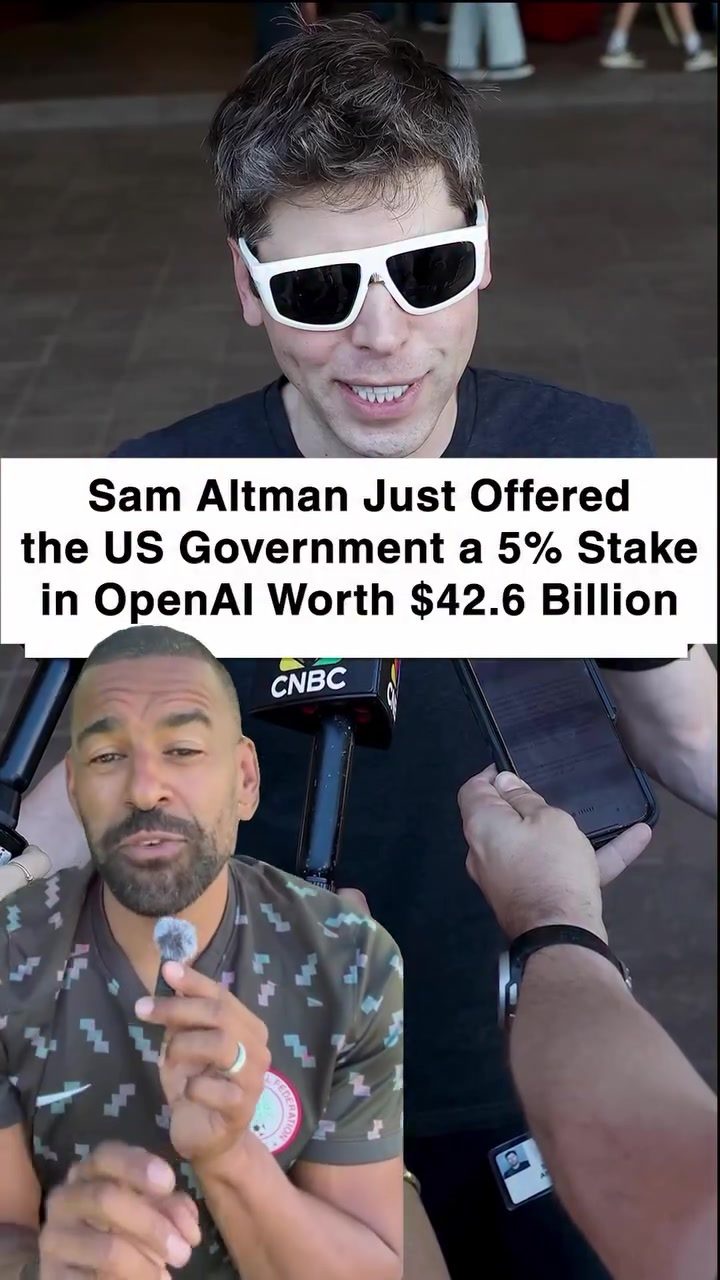
The recent move by Sam Altman, CEO of OpenAI, to offer the U.S. government a 5% stake in the company, valued at a staggering $42.6 billion, has sparked a multifaceted debate about AI ownership, political strategy, and branding. This bold move sheds light on some critical aspects of AI governance and its potential to shape the future of technology and public policy.
Why This Matters
The AI landscape is rapidly evolving, and the concentration of power in a few hands raises serious questions about equity, regulation, and national security. OpenAI's offer to the government is a strategic play that touches on branding, political positioning, and the larger question of how to manage a resource as valuable as AI.
The Threefold Strategy
Branding: Shifting the Narrative
One of the primary goals of this offer is to rebrand OpenAI in the eyes of Washington and the public. For the past year, OpenAI has faced scrutiny over the concentration of wealth and power in the hands of a few investors. By offering a stake to the government, OpenAI shifts the narrative from one of corporate dominance to one of public benefit. This move is not just about philanthropy; it's a clever messaging strategy that positions OpenAI as a company that is willing to share the benefits of its groundbreaking technology with the public.
Political Strategy: Navigating Regulation
The political climate in Washington is increasingly focused on regulating AI companies. There are calls to break up these companies, heavily regulate them, and impose significant taxes. OpenAI's offer is a preemptive strike in this political landscape. By giving away 5% voluntarily, Sam Altman avoids a potential fight over a much larger stake later. This is a classic negotiation tactic that allows OpenAI to maintain more control over its future while complying with regulatory pressures.
Competitive Positioning: Becoming America's AI Company
If OpenAI can convince Washington that it is America's AI company, it gains a significant strategic advantage. This positioning could open doors to lucrative government contracts, defense projects, infrastructure development, and healthcare initiatives. These are trillion-dollar markets that no other AI lab can touch if OpenAI secures this status. It's a bold play that could solidify OpenAI's leadership in the AI industry.
The Sovereign Wealth Fund Analogy
The broader idea behind Altman's proposal is to treat AI as America's next natural resource. Just as oil created sovereign wealth funds in countries like Norway, Alaska, and Saudi Arabia, AI could become a resource that benefits every American. Instead of fearing job displacement, the narrative could shift to one where AI makes every American a shareholder. This concept, while fascinating, raises concerns about the government's role in regulating companies it has a stake in.
Practical Tips for Understanding the AI Ownership Debate
-
Stay Informed: Keep an eye on developments in AI regulation and ownership. The landscape is changing rapidly, and staying informed will help you understand the implications for both the industry and society.
-
Engage with Policy Discussions: The debate around AI ownership is not just for policymakers. As citizens, it's important to engage in these discussions to ensure that the benefits of AI are shared equitably.
-
Support Transparent Governance: Advocate for transparency in how AI companies are regulated and how the public benefits from their success. Transparency is key to building trust and ensuring that AI serves the public good.
-
Consider the Broader Impact: Think beyond the immediate implications of AI ownership. How will it affect jobs, infrastructure, and national security? Understanding the broader impact will help you form a more informed opinion.
Important Takeaways
-
AI Ownership is Complex: The debate around AI ownership involves multiple layers, including branding, political strategy, and competitive positioning. Understanding these layers is crucial for navigating the complex landscape of AI governance.
-
Government Stakes Raise Conflicts: While offering a stake to the government can be a strategic move, it also creates a conflict of interest. A government that owns equity in a company it regulates has a complex role to play.
-
The Future of AI: The narrative around AI is shifting from one of job displacement to one of shared prosperity. This shift could have profound implications for how we think about work, wealth, and national resources.
-
Engagement is Key: The AI ownership debate is not just for experts. Engaging with these discussions and advocating for transparent governance will ensure that AI benefits everyone.
Conclusion
The AI ownership debate is more than just a discussion about who controls the most important technology in human history. It's about branding, political strategy, and the future of AI as a national resource. By offering a stake to the U.S. government, Sam Altman and OpenAI have set the stage for a broader conversation about how to manage AI for the benefit of all. Whether this narrative translates into tangible benefits for everyday Americans remains to be seen, but the debate itself is a powerful step toward a more equitable future.
Watch the Reel
Questions readers ask
Why did OpenAI offer a 5% stake to the U.S. government?
OpenAI's offer is a strategic move by CEO Sam Altman to navigate the complexities of AI governance. The offer is intended to foster public benefit, address political pressures, and ensure the company's control over AI development while addressing concerns related to equity, regulation, and national security.
What implications does this stake offer have on AI governance?
OpenAI's stake offer to the U.S. government can significantly influence AI governance by setting a precedent for how AI companies interact with governments and regulatory bodies. It highlights the need for equitable distribution of AI resources and robust regulatory frameworks to ensure that AI development aligns with public interests and national security concerns.
How does this move affect the public perception of OpenAI's brand?
By offering a stake to the government, OpenAI aims to enhance its brand image as a responsible and transparent AI company. This move can foster goodwill, demonstrate a commitment to public benefit, and position OpenAI as a leader in the ethical and responsible development of AI technologies.
What role does political strategy play in OpenAI's decision?
OpenAI's decision is deeply rooted in political strategy, as it seeks to balance the need for control over its AI developments with the necessity of addressing regulatory and national security concerns. By involving the government, OpenAI can potentially mitigate regulatory scrutiny and gain support for its strategic initiatives while maintaining its leadership role in AI development.
How does this stake offer impact the broader AI ownership debate?
OpenAI's offer brings the broader AI ownership debate to the forefront, raising questions about who should control such valuable resources. It underscores the need for a balanced approach that considers both private innovation and public oversight, ensuring that AI development benefits society as a whole while addressing concerns about equity and national security.
What are the potential benefits for the U.S. government in accepting this stake?
The potential benefits for the U.S. government include gaining influence over AI development, enhancing national security by having a say in AI governance, and ensuring that AI technologies are developed responsibly. This stake could also provide insights into cutting-edge AI technologies, allowing the government to better understand and regulate the AI landscape.
Related deep dives
Similar reads based on topic and creator.




Recent articles
Fresh deep dives from the latest Reels we unpacked.



Comments
Be the first to comment.