Exotic Root Harvesting
Exotic root harvesting is an intriguing process that combines traditional farming methods with innovative techniques to cultivate valuable roots. This technique has gained significant attention, especially among those interested in sustainable and efficient farming practices.
Context / Why this matters
Exotic roots, often prized for their unique properties and potential medicinal or culinary uses, can be a valuable addition to any farm. Harvesting these roots requires careful attention to detail and a deep understanding of the plant's growth patterns. This technique is not just about digging up roots; it involves nurturing the plant from a young stage to ensure a healthy yield. Exotic root harvesting is particularly relevant for farmers and gardeners who aim to maximize their land's productivity without relying on expensive seedlings or extensive wait times.
Main Discussion
The Art of Root Harvesting
Harvesting exotic roots involves more than just digging up the ground. It's about understanding the plant's growth cycle and ensuring that the root is nourished and protected throughout its development. This process begins with selecting a healthy mother tree, often referred to as the "perfect mother tree." This tree serves as the source of new branches, which are carefully nurtured to develop into robust trees.
The Technique of Air Layering
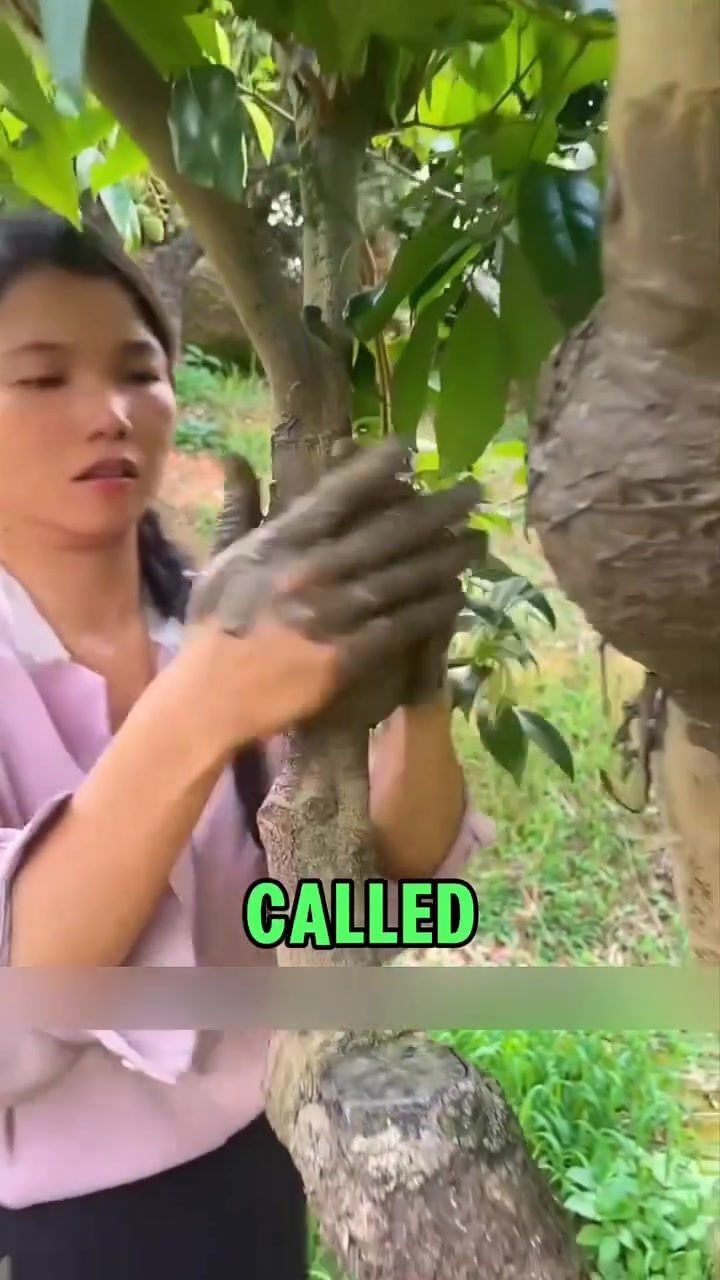
One of the most fascinating aspects of exotic root harvesting is the technique of air layering. Instead of planting seeds and waiting for years, the farmer focuses on a healthy branch from the mother tree. The process involves carefully removing a ring of bark from the branch and wrapping it with moist, nutrient-rich soil. This soil helps the branch grow new roots while it is still connected to the mother tree, ensuring a steady supply of nutrients.
The branch remains connected to the mother tree until the new roots are strong enough. Once the roots have developed sufficiently, the branch is cut from the mother tree and replanted. This method ensures that the new tree has the exact same quality, fruit, and yield as the original. With this technique, a single tree can grow into a whole high-yield forest.
Maximizing Yield and Quality
Every new tree produced through air layering has the exact same quality, fruit, and yield as the original. This consistency is a significant advantage for farmers, as it ensures that the entire forest will produce high-quality roots. The technique also allows for the creation of an endless supply of new trees from a single branch, making it a cost-effective and sustainable method.
Sustainable Farming
The process of air layering is not only about maximizing yield but also about sustainable farming. By focusing on a single mother tree and using its branches to create new trees, farmers can significantly reduce the need for expensive seedlings. This method is both economical and environmentally friendly, as it minimizes waste and promotes the efficient use of resources.
Practical tips
Selecting the Right Branch
When practicing air layering, it is crucial to select a healthy branch from the mother tree. The branch should be free of pests and diseases and have a strong connection to the main trunk. This ensures that the branch will receive adequate nutrients and grow into a robust tree.
Proper Wrapping of the Branch
The key to successful air layering is properly wrapping the branch with moist, nutrient-rich soil. The soil should be kept damp to promote root growth. Using a plastic wrap can help maintain the moisture level and prevent the soil from drying out. Remember to check the branch regularly to ensure that the soil remains moist and the roots are developing correctly.
Timing the Cut
The timing of the cut is critical. Wait until the roots are strong enough to support the new tree. This usually takes a few weeks, depending on the species and growing conditions. Once the roots are well-developed, carefully cut the branch from the mother tree and replant it. Ensure that the new tree is placed in a suitable environment with adequate sunlight, water, and nutrients.
Monitoring Growth
Regularly monitor the growth of the new trees. Ensure that they receive the necessary care and attention to thrive. This includes pruning, fertilizing, and protecting them from pests and diseases. Consistent monitoring will help you maintain the quality and yield of the roots.
Important takeaways
- Exotic root harvesting is a sustainable and efficient method of cultivating valuable roots.
- Air layering is a key technique that allows farmers to produce new trees from a single mother tree.
- This method ensures that every new tree has the same quality, fruit, and yield as the original.
- Air layering is cost-effective and environmentally friendly, promoting the efficient use of resources.
- Selecting the right branch, proper wrapping, and timing the cut are crucial for successful air layering.
Conclusion
Exotic root harvesting, particularly through the technique of air layering, offers a sustainable and efficient way to cultivate valuable roots. By focusing on a single mother tree and using its branches to create new trees, farmers can significantly reduce their reliance on expensive seedlings and promote sustainable farming practices. This method ensures high yield and quality, making it an attractive option for both small-scale gardeners and large-scale farmers. Whether you're looking to maximize your land's productivity or simply interested in the fascinating world of exotic roots, air layering is a technique worth exploring.
Watch the Reel
Questions readers ask
What is air layering and how does it help in propagation of trees?
Air layering is a tree propagation technique where a branch of a mother tree is encouraged to grow roots while still attached to the parent plant. This method allows for the creation of new, independent trees without the need for seeds or seedlings, making it an efficient way to expand a forest or orchard.
How does air layering shorten the wait times for farming?
Air layering can significantly reduce the time required to establish a new tree, because the new tree grows roots and establishes itself while still attached to the mother tree. This means that the new tree can be ready for transplanting and independent growth much sooner than if it were started from a seed.
Can air layering be used to create a forest from a single tree?
Yes, air layering can be used to turn a single tree into a forest. By layering multiple branches from the mother tree, farmers can create many new trees, which can then be transplanted to create a dense forest over time. This method is particularly useful for farmers looking to expand their forest without extensive wait times or resources.
What are the benefits of air layering for farmers?
Air layering offers several benefits for farmers, including the ability to propagate trees quickly and efficiently, reduce reliance on seedlings, and create a high yield. Additionally, air layering allows farmers to maintain the desirable traits of the mother tree, ensuring consistent quality and characteristics in the new plants.
How does the air layering method work in practice?
The air layering method involves selecting a healthy branch from the mother tree, making a cut partway through the branch, and applying a rooting hormone. The cut is then wrapped in a moist medium, such as sphagnum moss, and covered with plastic to maintain humidity. Over time, the branch will develop roots, and once these roots are well-established, the new plant can be separated from the mother tree and transplanted.
Related deep dives
Similar reads based on topic and creator.
Recent articles
Fresh deep dives from the latest Reels we unpacked.




Comments
Be the first to comment.