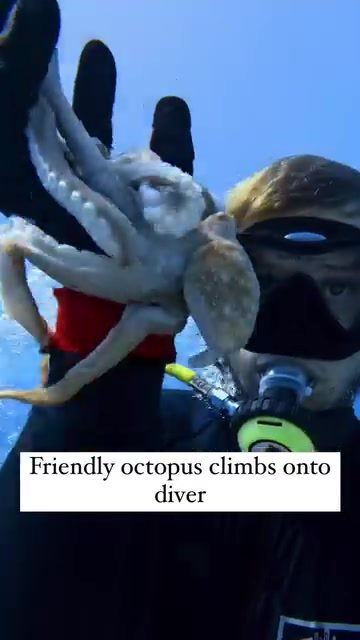
Octopus Behavior and Marine Life
Octopuses are fascinating marine creatures known for their intelligence and curiosity. They inhabit various underwater environments, displaying a range of behaviors that captivate both scientists and enthusiasts alike. One notable behavior is their interaction with divers, which can be both intriguing and informative.
Context / Why This Matters
Underwater encounters between divers and octopuses provide valuable insights into the behavior of these intelligent creatures. Observing how octopuses interact with humans can reveal aspects of their curiosity, adaptability, and problem-solving skills. These interactions are not only visually stunning but also offer a window into the mysterious world of marine life.
Understanding Octopus Behavior
Octopuses are renowned for their high level of intelligence, which is evident in their interactions with divers. These encounters often showcase the octopus's curiosity and its ability to adapt to unfamiliar situations. Divers frequently report octopuses climbing onto their gear, a behavior that highlights the creature's inquisitive nature.
The sight of an octopus climbing onto a diver is both surprising and captivating. This behavior is a testament to the octopus's adaptability and its ability to interact with foreign objects. The process of climbing onto a diver involves the octopus using its powerful suction cups and flexible body to navigate the diver's gear. Bubbles rising in the background suggest the diver is using a breathing apparatus, adding to the underwater ambiance.
The Experience of Interacting with Octopuses
For divers, encountering an octopus can be a transformative experience. The interaction is often described as friendly and non-threatening, with the octopus showing curiosity rather than aggression. This behavior is a reminder of the complex and often misunderstood nature of marine life.
Encounters with octopuses can be both thrilling and educational. These interactions provide a unique perspective on the behavior of these creatures, highlighting their intelligence and adaptability. Whether it's an octopus climbing onto a diver or exploring the underwater environment, these moments offer a glimpse into the world of marine life.
Practical Tips for Safe and Respectful Octopus Encounters
Maintain a Respectful Distance
When encountering an octopus underwater, it's essential to maintain a respectful distance. This allows the octopus to feel comfortable and reduces the risk of stressing the animal. By keeping a safe distance, you can observe the octopus's natural behavior without interfering.
Avoid touching or disturbing the octopus unnecessarily. Interacting with the octopus should be a passive experience, allowing the animal to approach you if it chooses. Touching the octopus can stress the animal and potentially harm it.
Use a Low-Key Approach
When approaching an octopus, use a low-key and calm approach. Sudden movements or loud noises can startle the octopus and cause it to retreat. By maintaining a calm demeanor, you can encourage the octopus to interact with you more naturally.
Be Patient and Observant
Octopuses are curious but cautious creatures. They may take time to approach a diver, especially if they sense any threat. Be patient and observant, allowing the octopus to set the pace of the interaction. By being patient, you increase the likelihood of a meaningful and respectful encounter.
Wear Appropriate Gear
When diving, wear appropriate gear that provides a safe and comfortable environment for both you and the octopus. Ensure your diving equipment is well-maintained and does not pose a risk to the octopus. For example, avoid sharp or protruding objects that could harm the octopus.
Important Takeaways
Encounters with octopuses offer a unique opportunity to observe these intelligent and curious creatures in their natural habitat. By understanding and respecting their behavior, divers can have meaningful and safe interactions with these marine animals.
Respect the Natural Environment
Respecting the natural environment is crucial for maintaining the health and well-being of marine life. This includes avoiding littering, not disturbing marine habitats, and minimizing your impact on the underwater ecosystem.
Promote Ethical Diving Practices
Ethical diving practices ensure the safety and well-being of marine life. This includes maintaining a respectful distance, avoiding unnecessary contact, and using appropriate gear. By promoting these practices, divers can help preserve the natural world for future generations.
Appreciate the Diversity of Marine Life
The underwater world is home to a diverse range of marine life, each with its unique behaviors and characteristics. Appreciating this diversity helps foster a deeper understanding and respect for the natural world. This appreciation can inspire efforts to protect and conserve marine environments.
Conclusion
Octopuses are captivating marine creatures known for their intelligence, curiosity, and adaptability. Encounters with these animals offer a unique perspective on their behavior, highlighting their fascinating nature. By promoting respectful and ethical diving practices, we can ensure that these interactions remain safe and meaningful for both divers and octopuses. Embrace the opportunity to explore the wonders of the underwater world, where every encounter with an octopus can be a memorable and enriching experience.
Watch the Reel
Questions readers ask
What should I expect when diving with octopuses?
When diving with octopuses, you can expect to witness their remarkable intelligence and curiosity firsthand. They may approach you out of curiosity, and some even show playful behavior. Remember, each encounter is unique, and the octopus might hide or explore the surroundings.
Are octopuses likely to be friendly towards divers?
Octopuses are generally curious and may display friendly behavior towards divers, but it's essential to understand that they are wild animals. Their interactions can vary from playful to cautious, depending on the situation. Always approach them with respect and from a safe distance.
How can I encourage a friendly encounter with an octopus?
To encourage a friendly encounter, move slowly and calmly. Avoid sudden movements or loud noises that might startle the octopus. Get close to the ocean floor, and let the octopus approach you. Avoid touching or trying to feed the octopus, as they are wild animals with specific dietary needs and habitats.
What can I learn from observing an octopus during a dive?
Observing an octopus during a dive can provide insights into their problem-solving skills, adaptability, and problem-solving abilities. You might see them using tools, navigating mazes, or displaying unique problem-solving abilities, which are quite fascinating to witness. Always remember that every dive is a learning experience.
What should you do if an octopus approaches you while diving?
If an octopus approaches you, stay calm and still. Allow the octopus to explore you at its own pace. Avoid making sudden movements or trying to touch the octopus. Enjoy the moment, and if the octopus loses interest, it will move on, allowing you to continue your dive.
What are some of the notable behaviors of octopuses during underwater encounters?
Some notable behaviors include changing color and texture to camouflage, using jets of water for propulsion, and exhibiting problem-solving skills, such as using tools or navigating obstacles. You might also see them displaying playful behavior, such as interacting with objects or other sea creatures.
How can I ensure a safe and respectful encounter with an octopus while diving?
To ensure a safe and respectful encounter, maintain a safe distance and avoid touching or harassing the octopus. Be mindful of your surroundings, and be aware that the octopus may feel threatened if you get too close or make sudden movements. Always prioritize the well-being of the octopus and the marine environment.
Related deep dives
Similar reads based on topic and creator.

Recent articles
Fresh deep dives from the latest Reels we unpacked.




Comments
Be the first to comment.