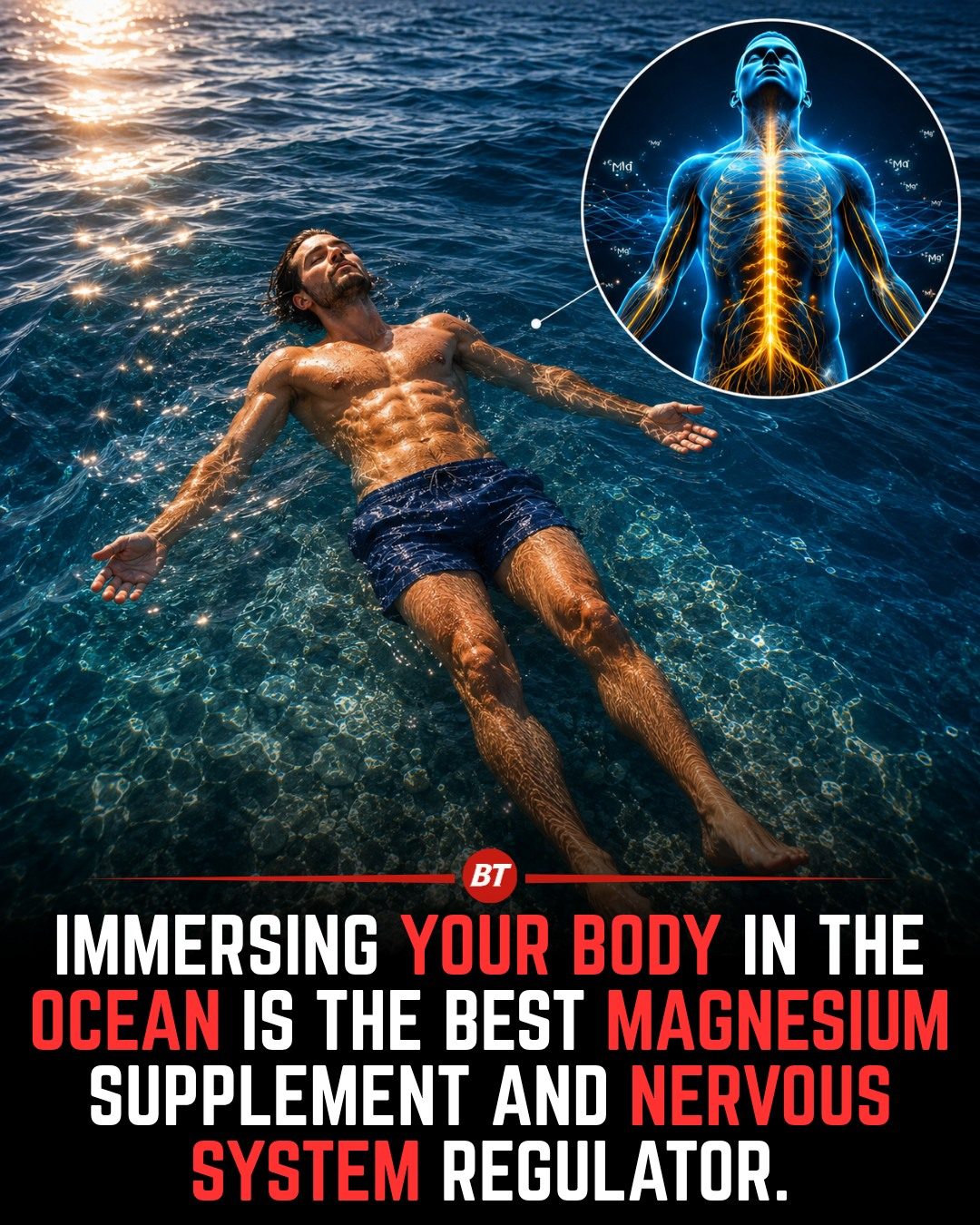
Magnesium Supplementation and the Ocean
Spending time in the ocean is often praised for its calming effects on the nervous system. While many people believe that the ocean acts as a natural magnesium supplement, the reality is more nuanced. It's essential to understand the actual benefits and mechanisms behind why the ocean can help regulate the nervous system.
Why This Matters
Magnesium is a critical mineral for the body, playing a role in over 300 enzymatic reactions, including muscle and nerve function, blood glucose control, and blood pressure regulation. While supplementation through diet is common, some people believe that immersing the body in seawater can provide similar benefits. Exploring this idea can help clarify the true benefits of ocean immersion and separate fact from fiction.
Understanding Magnesium and Seawater
Magnesium in Seawater
Seawater contains a variety of minerals, including magnesium. This has led to the popular belief that swimming in the ocean can act as a natural magnesium supplement. However, current research suggests that this belief is not entirely accurate. While small amounts of minerals may interact with the skin's surface, there is no conclusive evidence that significant amounts of magnesium are absorbed through intact skin.
Mineral Absorption Through the Skin
The idea of transdermal absorption—where substances are absorbed through the skin—is not new. However, the effectiveness of this method for magnesium supplementation is still under debate. Most studies indicate that while some minerals may penetrate the skin, the amounts are minimal and not sufficient to provide the benefits typically associated with magnesium supplementation.
The Calming Effects of the Ocean
While the direct absorption of magnesium through the skin may not be the primary benefit of ocean immersion, the overall experience has several holistic advantages. Researchers believe that the calming effects come from a combination of factors:
Sensory Stimulation
The rhythmic sound of waves, the sensation of floating, and the exposure to natural sunlight all contribute to a relaxed state. These sensory inputs help reduce stress and promote a sense of well-being. For example, the gentle lapping of waves can create a soothing background noise, while the sensation of buoyancy can help the body relax.
Physical Activity
Swimming and walking along the beach are physical activities that support mood and nervous system health. Even gentle movements in the water can increase physical activity levels, which is well known to improve mental health and reduce stress.
Natural Environment
Being in a natural water environment, or "blue space," has been shown to have significant psychological benefits. Environmental psychology research indicates that spending time near bodies of water like oceans, lakes, and rivers is associated with lower stress levels, improved mood, and better overall mental well-being. This effect is believed to come from the overall experience rather than from magnesium absorption alone.
The Role of Sunlight and Temperature
Natural sunlight and cooler water temperatures also play a role in the calming effects. Sunlight exposure can boost vitamin D levels, which are crucial for mental health. Additionally, the cooler water temperatures can help lower body temperature, which can have a calming effect on the nervous system.
Mindfulness and Disconnection
Leaving your phone behind and spending 20–30 minutes soaking in the natural surroundings can also contribute to the calming effects. This practice encourages mindfulness and disconnection from everyday stressors, allowing the body to relax and reset.
Practical Tips for Maximizing Ocean Benefits
To get the most out of your time in the ocean, consider the following tips:
Engage All Senses
Pay attention to the sounds, sights, and sensations around you. Let the rhythm of the waves, the warmth of the sun, and the texture of the water help you relax. Engaging all your senses can deepen the calming experience.
Practice Mindfulness
Focus on the present moment. Avoid distractions and let your mind wander freely. Mindfulness practices can help you become more aware of your surroundings and reduce stress.
Stay Active
Even gentle movements like walking along the shore or floating in the water can provide physical benefits. Incorporate some light exercise into your ocean time to enhance the overall experience.
Take Breaks
If you're spending a day at the beach, consider taking regular breaks from swimming and sunbathing to rest and relax. This can help you stay energized and enjoy the experience more fully.
Important Takeaways
The ocean offers a range of benefits for the nervous system, but these benefits are not primarily due to magnesium absorption. Instead, the calming effects come from a combination of sensory stimulation, physical activity, natural environment exposure, and mindfulness practices. By understanding these mechanisms, you can better appreciate the holistic advantages of spending time in the ocean.
Conclusion
Spending time in the ocean can be a natural, effective way to calm the nervous system. While the direct absorption of magnesium through the skin may not be the primary benefit, the overall experience offers numerous psychological and physical advantages. By engaging all your senses, practicing mindfulness, staying active, and taking breaks, you can maximize the benefits of your time in the ocean.
Watch the Reel
Questions readers ask
How does spending time in the ocean benefit the nervous system?
Immersion in the ocean can have a calming effect on the nervous system, reducing stress and promoting relaxation. The rhythmic sounds of waves, gentle motion of the water, and the release of endorphins during physical activity like swimming contributes to this soothing experience.
Can the body absorb enough magnesium from seawater to supplement daily intake?
While seawater does contain magnesium, the amount absorbed through the skin during ocean immersion is minimal. Most of the calming effects are due to other factors like the body's physical response to the ocean environment, not significant magnesium absorption.
What are the holistic benefits of ocean immersion beyond magnesium?
Ocean immersion offers a range of benefits, including reduced muscle tension, improved circulation, and enhanced mood. The combination of physical activity, sensory experiences, and relaxation can lead to an overall sense of well-being and natural stress relief.
How does swimming in the ocean contribute to stress relief?
Swimming in the ocean can act as a form of ocean therapy. This is due to the combination of physical exertion, which releases endorphins, and the sensory experience of the ocean, which can help to distract the mind from daily stressors and promote a state of calm.
What role do ocean minerals play in overall health during immersion?
While magnesium in seawater may contribute to the overall relaxing experience of ocean immersion, the key benefits come from the holistic experience of ocean immersion which can help soothe the body and mind. This includes reduced stress and anxiety, improved mood, and the release of tension.
Can spending time at the beach offer the same benefits as swimming in the ocean?
Yes, simply spending time at the beach can provide similar benefits to swimming in the ocean. The sound of the waves, the smell of the sea, and the salt air can all contribute to a calming experience, helping to reduce stress and promote relaxation, even from just being near the ocean.
Related deep dives
Similar reads based on topic and creator.




Recent articles
Fresh deep dives from the latest Reels we unpacked.




Comments
Be the first to comment.