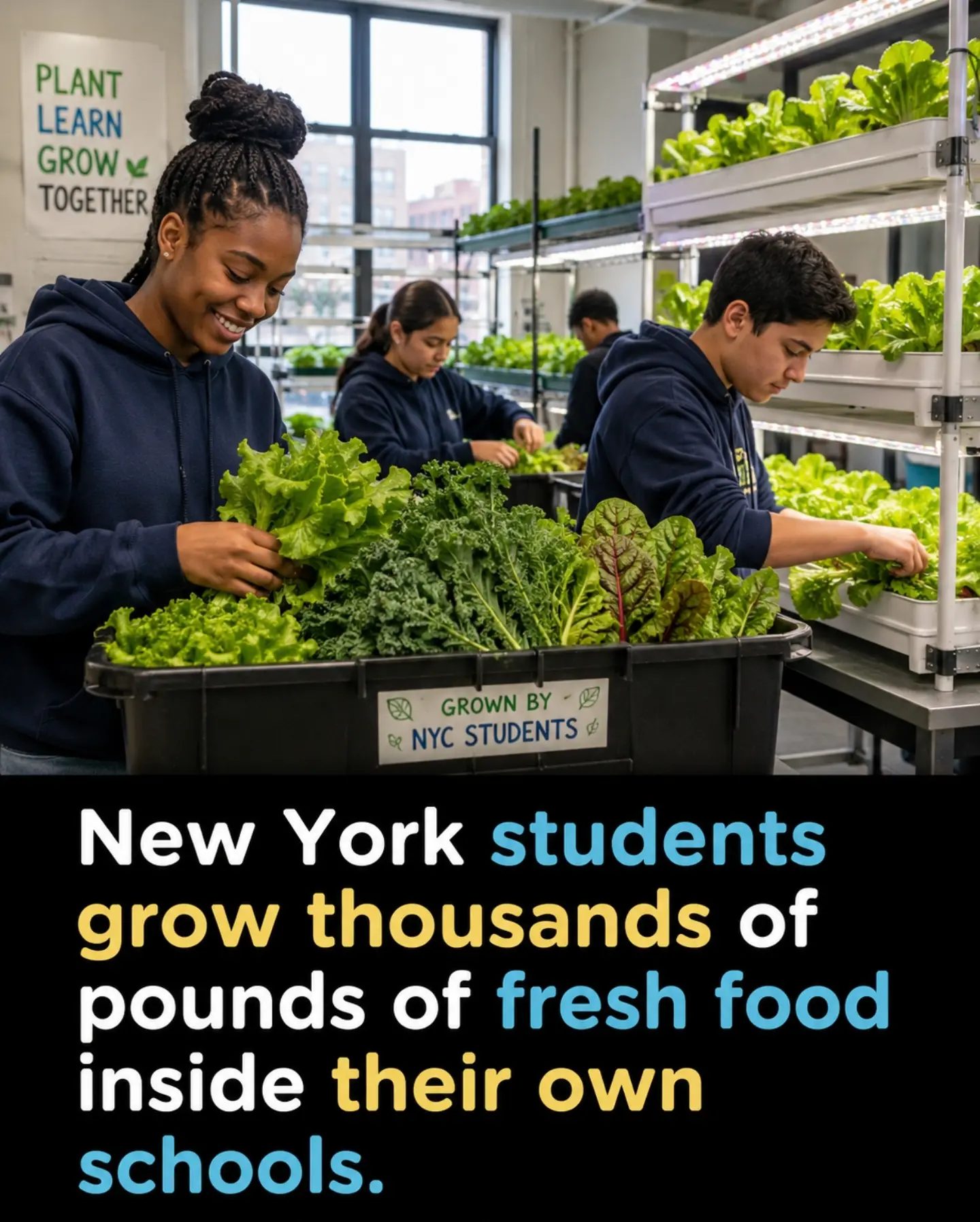
Urban Farming in Schools: Growing Fresh Produce in NYC
The initiative of growing fresh produce within urban schools using hydroponic systems is gaining traction, especially in cities like New York. This unique approach, led by students, not only helps to promote sustainable living but also provides fresh, locally grown food directly to the school community.
Context / Why this matters
Food security and access to fresh, nutritious produce are critical issues in urban environments. Schools, as centers of learning and community hubs, are increasingly recognizing the value of incorporating farming initiatives into their curricula. By growing food on-site, schools can provide students with hands-on learning experiences, foster environmental awareness, and address food sustainability challenges.
Sustainability and Food Security
Urban farming, particularly through hydroponic systems, offers a sustainable solution to food security in densely populated areas. These systems use significantly less water than traditional farming methods and can be set up in vertical spaces, making them ideal for urban environments where land is scarce. By growing food within schools, the reliance on external suppliers is reduced, ensuring a steady supply of fresh produce for students and staff.
Educational and Health Benefits
Beyond the environmental advantages, urban farming initiatives in schools offer substantial educational and health benefits. Students gain practical knowledge in agriculture, science, and environmental studies. They learn about plant biology, nutrient cycles, and the importance of sustainable practices. Moreover, having access to fresh produce can significantly improve the nutritional value of school meals, contributing to better overall health and well-being among students and staff.
Main discussion
Hydroponic Systems: The Heart of Urban Farming
Hydroponic systems are at the core of many urban farming initiatives. These systems use nutrient-rich water solutions instead of soil to grow plants. This method allows for more efficient use of resources and can produce higher yields in less space. In schools, hydroponic systems are often set up in vertical racks, making the most of limited indoor or greenhouse space.
What is a hydroponic system?
A typical hydroponic system consists of a reservoir for the nutrient solution, a growing medium (such as rock wool or perlite), and a delivery system to distribute the nutrient-rich water to the plants. The plants are rooted in the growing medium, and their roots are submerged in the nutrient solution, allowing them to absorb the necessary nutrients directly.
Benefits of Hydroponic Systems in Schools
- Efficiency: Hydroponic systems use up to 90% less water than traditional soil-based farming.
- Space-Saving: Vertical setups allow for the cultivation of a large number of plants in a relatively small area.
- Faster Growth: Plants grown hydroponically often mature faster due to the optimized delivery of nutrients.
- Reduced Pests and Diseases: The controlled environment minimizes the risk of pests and diseases, reducing the need for pesticides.
Student Engagement and Learning
The involvement of students in urban farming initiatives has significant benefits. It provides hands-on learning experiences that can foster a deeper understanding of science, agriculture, and environmental sustainability. By actively participating in the growing process, students develop a sense of responsibility and ownership over their food sources.
Practical Lessons
Students learn about various aspects of plant biology, including photosynthesis, nutrient cycles, and the importance of different nutrients for plant growth. They also gain practical skills in setting up and maintaining hydroponic systems, monitoring nutrient levels, and harvesting produce. This hands-on experience can inspire a lifelong interest in agriculture and environmental science.
Community and Collaboration
Urban farming initiatives in schools often involve community collaboration, with local businesses, non-profit organizations, and volunteers contributing resources and expertise. This collective effort not only enhances the learning experience for students but also strengthens community bonds and promotes sustainable living practices.
Practical tips
Starting an Urban Farming Initiative
If you are interested in starting an urban farming initiative in a school or community setting, here are some practical tips to get you started:
- Assess Resources: Determine the available space, budget, and resources for the project. Hydroponic systems can be set up in classrooms, greenhouses, or even on rooftops.
- Choose the Right System: Select a hydroponic system that fits your space and budget. Common systems include Nutrient Film Technique (NFT), Deep Water Culture (DWC), and Wicking Systems.
- Engage Students: Involve students in the planning and implementation process. Their enthusiasm and creativity can bring new ideas and perspectives to the project.
- Seek Community Support: Collaborate with local businesses, gardening clubs, and non-profit organizations to secure additional resources and expertise. Community support can make the initiative more sustainable and successful.
- Monitor and Adapt: Regularly monitor the health of the plants and the efficiency of the system. Be prepared to make adjustments based on the needs of the plants and the available resources.
Maximizing the Benefits
To maximize the benefits of an urban farming initiative, consider the following:
- Integrate into Curriculum: Incorporate the farming project into various subjects, such as biology, environmental science, and mathematics. This interdisciplinary approach can enhance the educational value of the initiative.
- Promote Sustainability: Emphasize sustainable practices, such as water conservation, waste reduction, and the use of renewable energy sources.
- Community Outreach: Organize events, workshops, and presentations to share the initiative with the broader community. This can help raise awareness about urban farming and inspire others to start similar projects.
- Harvest and Share: Encourage students to use the fresh produce in school meals and share the harvest with the community. This can help promote healthy eating habits and foster a sense of community.
Important takeaways
Urban farming in schools, particularly through hydroponic systems, offers a multifaceted approach to addressing food security, sustainability, and education. By involving students in the growing process, schools can provide hands-on learning experiences, foster environmental awareness, and contribute to the local food supply.
Key Points to Remember:
- Hydroponic systems are efficient, space-saving, and can produce high yields of fresh produce.
- Urban farming initiatives in schools offer significant educational and health benefits for students and the community.
- Engaging students, seeking community support, and integrating the initiative into the curriculum can maximize the benefits of urban farming in schools.
- Sustainable practices, community outreach, and sharing the harvest can enhance the overall impact of the initiative.
Conclusion
Urban farming initiatives in schools, driven by hydroponic systems, provide a unique opportunity to address food security, sustainability, and educational needs. By growing fresh produce within the school environment, students gain valuable hands-on learning experiences and contribute to a healthier, more sustainable community. This innovative approach not only enhances the educational experience but also fosters a deeper connection to the environment and the importance of sustainable living practices.
Watch the Reel
Questions readers ask
What are hydroponic systems and how do they help in urban farming?
Hydroponic systems are soilless gardening methods that use nutrient-rich water to grow plants. In urban farming, these systems are particularly beneficial as they save space, use less water, and allow for year-round production, making them ideal for schools in densely populated areas like NYC.
How do NYC schools benefit from on-site food production?
NYC schools gain multiple benefits from on-site food production. These include access to fresh, locally grown produce, reduced food costs, and hands-on learning experiences for students in sustainability and urban agriculture.
What types of produce can be grown using hydroponic systems in schools?
Hydroponic systems in schools are well-suited for growing a variety of leafy greens, herbs, and small vegetables. Commonly grown items include lettuce, spinach, basil, and kale, which thrive in these controlled environments.
How do school hydroponic projects contribute to sustainability?
School hydroponic projects promote sustainability by reducing food miles— the distance food travels from farm to plate. They also decrease packaging waste and lower the carbon footprint associated with transporting produce, while also teaching students about sustainable practices.
Can hydroponic systems be integrated into classroom learning activities?
Yes, hydroponic systems can be seamlessly integrated into classroom learning activities. They provide practical experience in science, technology, engineering, and mathematics (STEM) subjects, as well as environmental science and nutrition.
What challenges might schools face when implementing hydroponic gardening?
Schools may face initial setup costs and the need for technical expertise to maintain hydroponic systems. Additionally, ensuring consistent student engagement and integrating the system into the curriculum can be challenges.
How do urban farming initiatives in schools address food security?
Urban farming initiatives in schools address food security by providing a reliable source of fresh, nutritious produce within the school community. This ensures that students and staff have access to healthy food options, which can be particularly impactful in food deserts or areas with limited access to fresh produce.
Related deep dives
Similar reads based on topic and creator.


Recent articles
Fresh deep dives from the latest Reels we unpacked.




Comments
Be the first to comment.