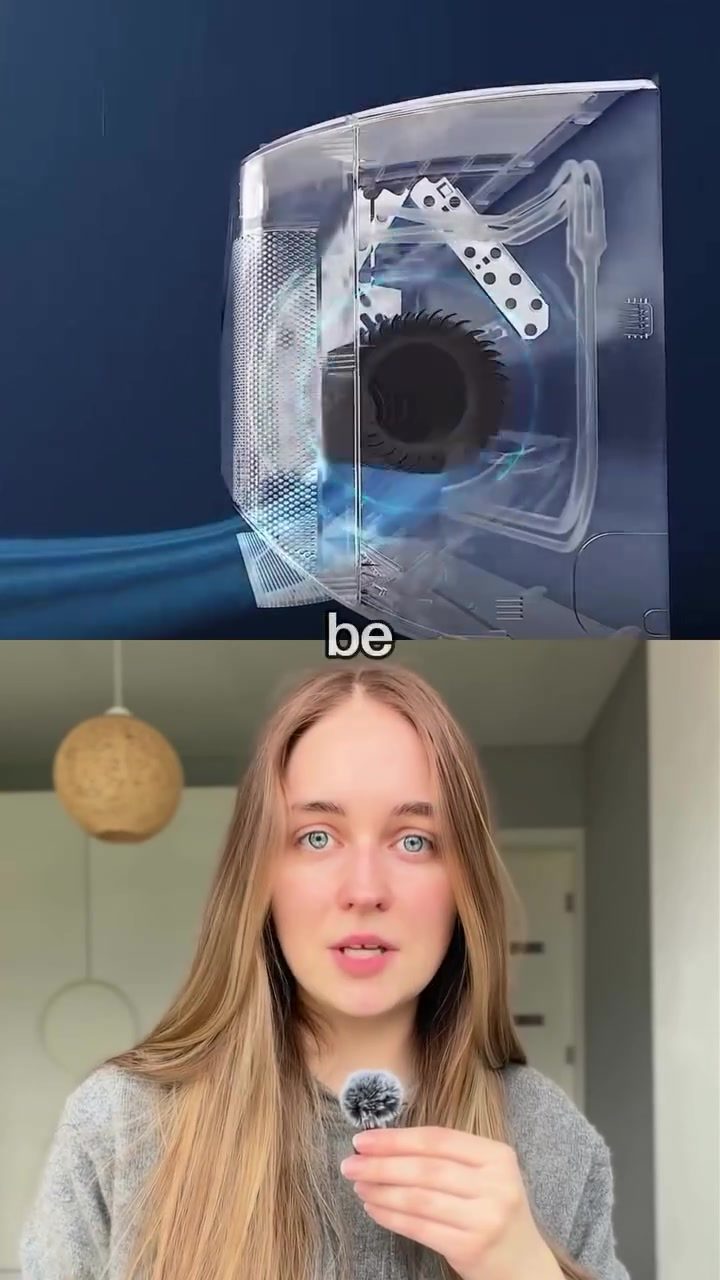
AC Units and AI Infrastructure: NVIDIA's Innovative Solution
NVIDIA is revolutionizing the way we think about data centers and AI infrastructure by turning residential AC units into mini AI data centers. This groundbreaking solution addresses a critical issue in the AI industry: the growing demand for power and infrastructure.
Context: The Power Problem in AI
The rapid advancement of AI technologies has led to an unprecedented demand for data centers. Major tech companies like OpenAI, Meta, and Google are constructing massive server farms globally to meet this demand. However, building a new data center can take anywhere from four to seven years, and the growth of AI demand is outpacing grid capacity and construction capabilities. This supply shortage creates a significant bottleneck for AI development.
The Innovative Solution: Turning AC Units into Data Centers
NVIDIA's innovative approach to solving the power problem involves leveraging the underutilized power capacity in homes. The company has partnered with a home building company and an energy startup to create mini AI data centers that can be placed next to residential AC units. These data centers are designed as fridge-sized boxes containing 16 powerful NVIDIA AI chips, the same type of chips that major AI companies like OpenAI and Meta invest billions to access.
How It Works
These mini AI data centers are designed to operate quietly and efficiently. They use leftover household power to run AI tasks in the background, 24/7. This setup ensures that the AI processing power is available at all times without disrupting the home's existing power usage. The boxes are designed to sit discreetly next to the AC unit, blending seamlessly with the home's exterior.
Benefits for Homeowners
Homeowners are incentivized to keep these boxes by receiving rewards for allowing their unused electricity to be utilized for AI tasks. This creates a mutually beneficial arrangement where homeowners gain financial benefits while contributing to the growth of AI infrastructure.
The Larger Impact
NVIDIA aims to transform suburbs into distributed AI infrastructure. While the world's attention is often focused on billionaires racing to space, NVIDIA's initiative quietly harnesses the untapped potential of residential power and transforms it into a powerful AI resource. This distributed approach not only addresses the power and infrastructure demands of AI but also democratizes access to advanced computational resources, making AI more accessible and sustainable.
Why Distributed AI Matters
Distributed AI infrastructure offers several advantages over traditional centralized data centers. It reduces the environmental impact by utilizing existing power sources more efficiently. It also decentralizes the risk of data center failures, making the overall AI ecosystem more resilient. Moreover, distributed AI infrastructure can bring computational power closer to where it is needed, reducing latency and improving the performance of AI applications.
Practical Tips for Homeowners
If you're a homeowner considering participating in this initiative, here are a few practical tips to keep in mind:
- Understand the Agreement: Make sure you fully understand the agreement with NVIDIA and the home building company. Know the terms of the reward program and the commitments you are making.
- Evaluate Your Power Usage: Before agreeing to host a mini data center, evaluate your household's power usage. Ensure that the additional power draw from the mini data center will not disrupt your daily activities.
- Check Local Regulations: Ensure that your local regulations and homeowners' association rules allow for the installation of such a device on your property.
- Maintenance and Support: Understand the maintenance and support protocols. Know who will be responsible for maintaining the mini data center and what support you can expect from NVIDIA and the energy startup.
Important Takeaways
NVIDIA's innovative approach to turning AC units into mini AI data centers is a game-changer in the AI industry. The partnership with a home building company and an energy startup makes this solution not only feasible but also beneficial for homeowners. By addressing the power and infrastructure demands of AI, NVIDIA is paving the way for a distributed AI ecosystem that is more sustainable, resilient, and accessible.
Conclusion
The future of AI infrastructure is changing, and NVIDIA is leading the way. By leveraging the power of residential AC units, NVIDIA is transforming the suburbs into AI powerhouses, making AI more accessible and sustainable. This innovative solution not only addresses the growing demand for AI power but also creates a mutually beneficial arrangement for homeowners. As we move forward, expect to see more innovative solutions like this, reshaping the way we think about technology and infrastructure.
Watch the Reel
Questions readers ask
How does NVIDIA plan to transform AC units into mini AI data centers?
NVIDIA's plan involves leveraging the existing infrastructure of residential air conditioning units. By integrating AI processing capabilities into these units, NVIDIA aims to utilize the underutilized power and cooling systems already present in homes, effectively turning them into small, efficient data centers.
What is the primary benefit of using AC units as mini AI data centers?
The primary benefit is the efficient use of existing household power and cooling systems. This approach helps to meet the growing energy demands of AI infrastructure without the need for constructing new, large-scale data centers. It also addresses the issue of grid capacity and construction delays.
How does NVIDIA's solution address the power problem in AI?
By repurposing residential AC units, NVIDIA taps into an already established power grid within homes. This reduces the strain on the global grid capacity, which is struggling to keep up with the rapid demand for AI infrastructure. Additionally, the cooling systems in AC units naturally help manage the heat generated by AI processing, ensuring energy-efficient operations.
What are the implications of turning AC units into AI data centers for homeowners?
For homeowners, this transformation could mean a more efficient use of home energy. While details are still developing, it is possible there could be some financial incentives or cost savings, like reduced electricity bills or tax breaks. However, the technical details and potential homeowner benefits are still being explored.
What challenges might NVIDIA face in implementing this innovative solution?
One of the biggest challenges is the technical integration of AI processing capabilities into existing AC units. Additionally, there may be regulatory and safety considerations to address. Ensuring that the AI data centers meet the necessary performance and reliability standards will also be crucial for the success of this initiative.
What are the steps involved in transforming an AC unit into a mini AI data center?
The transformation process likely involves several steps, including the development of specialized hardware, software integration, and possibly retrofitting existing AC units. NVIDIA will need to work closely with appliance manufacturers to design and implement the necessary modifications, while also ensuring compliance with safety standards and regulations.
How can homeowners contribute to this innovative AI infrastructure solution?
Homeowners can contribute by participating in any pilot programs or initiatives that NVIDIA and AC manufacturers may roll out. Staying informed about the project and providing feedback on the potential benefits and challenges can also be valuable. As the project progresses, there may be opportunities for homeowners to upgrade their AC units to support AI data centers, which could offer additional benefits.
Related deep dives
Similar reads based on topic and creator.


Recent articles
Fresh deep dives from the latest Reels we unpacked.
Comments
Be the first to comment.