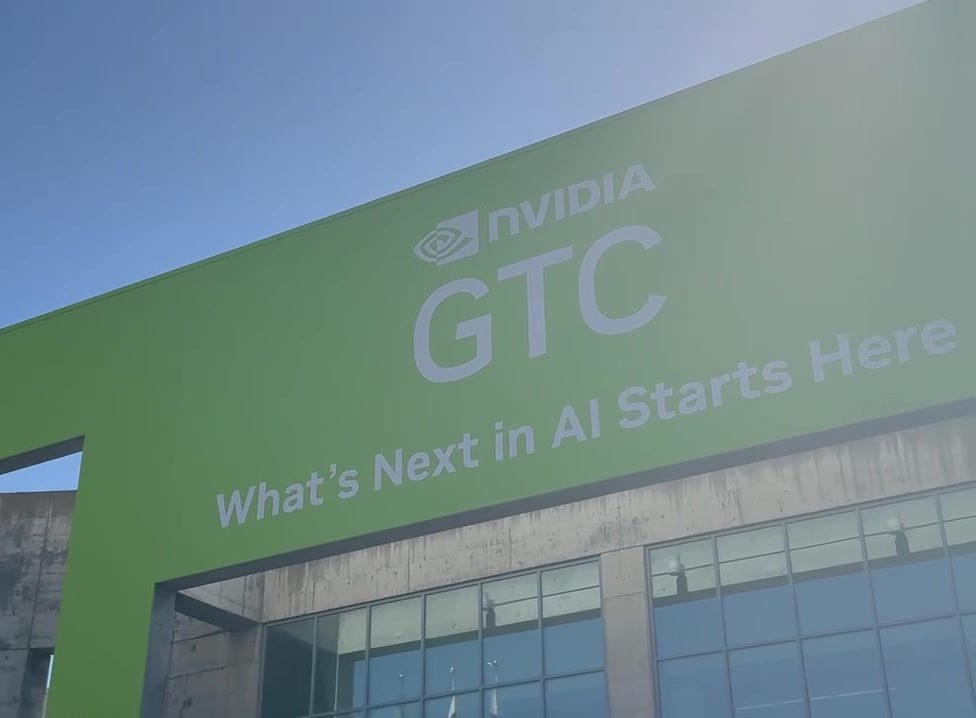
The NVIDIA GTC Conference: Major Announcements and Highlights
Artificial Intelligence (AI) is a transformative technology, and NVIDIA's GTC (GPU Technology Conference) is its epicenter.
Why this matters
AI development continues to push the boundaries of what's possible, and NVIDIA's GTC conference is a key event where industry leaders unveil cutting-edge technologies, share insights, and set the stage for future innovations. The advancements announced at the conference have far-reaching implications for AI, robotics, and AI-powered systems.
Main discussion
The conference at the San Jose Mcenery Convention Center showcased several groundbreaking announcements that promise to reshape the AI landscape. Here are the key highlights:
Blackwell Ultra GPU
Blackwell Ultra, NVIDIA’s next-generation GPU, is slated for release in the latter half of 2025. This new GPU boasts increased memory capacity, which is essential for supporting the ever-growing complexity of AI models. The enhanced memory capacity means that models can handle more data, leading to improved performance and more sophisticated AI applications.
Vera Rubin AI Chip
Following the Blackwell Ultra, NVIDIA will introduce the Vera Rubin AI chip, with a planned launch in late 2026. This chip focuses on improving data transfer speeds between different chips. This advancement is crucial for expansive AI systems, where efficient data transfer is key to maintaining high performance and ensuring seamless operations. The Vera Rubin AI chip will enable the development of more intricate and efficient AI models, opening new avenues for innovation.
Isaac GROOT N1: The World’s First Open Humanoid Robot Foundation Model
One of the most exciting announcements made at GTC was the introduction of Isaac GROOT N1. This is the world’s first open humanoid robot foundation model, designed to accelerate the development of general-purpose robots. By providing a robust and versatile foundation, Isaac GROOT N1 aims to streamline the development process, allowing for quicker iterations and more innovative robotics solutions. This development is a significant step forward in the field of robotics, paving the way for more capable and adaptable robots.
Newton Physics Engine
In a collaborative effort with Google DeepMind and Disney Research, NVIDIA unveiled Newton, a new physics engine. This engine is specifically designed to enhance robotics simulation and training. Newton brings together the expertise of leading companies in AI and simulation, promising to revolutionize how robots are trained and optimized. The integration of advanced physics simulations will lead to more realistic and effective training scenarios, ultimately resulting in more efficient and capable robots.
NVIDIA Dynamo: AI Inference and Scaling
NVIDIA Dynamo is an open-source inference software system designed to efficiently scale AI models. It acts as an operating system for AI factories, providing the necessary tools to manage and optimize AI workloads. This system is particularly valuable for enterprises looking to deploy AI solutions at scale, ensuring that AI models run efficiently and effectively.
Collaboration with General Motors
NVIDIA's partnership with General Motors is aimed at developing custom AI systems for vehicles, factories, and robots. This collaboration leverages NVIDIA’s accelerated compute platforms, integrating them with General Motors' automotive expertise. The partnership will lead to the creation of advanced AI-driven solutions for various industries, including automotive, manufacturing, and logistics.
Practical tips
If you're looking to stay ahead in the world of AI and robotics, here are some practical tips based on the announcements made at NVIDIA's GTC:
Stay Updated
Keep an eye on the latest developments from NVIDIA and other leading AI companies. This will help you stay informed about the latest technologies and industry trends.
Explore AI Workshops
Participating in AI workshops and conferences like GTC can provide valuable insights and hands-on experience. These events are great opportunities to learn from experts and network with industry professionals.
Collaborate
Collaboration is key to innovation. Look for opportunities to work with other companies, researchers, and developers. Partnerships can lead to groundbreaking innovations and new solutions.
Utilize Open-Source Resources
Making use of open-source tools and resources, such as NVIDIA Dynamo and Isaac GROOT N1, can accelerate your development process and help you build more advanced AI solutions.
Focus on Real-World Applications
Consider how AI technologies can be applied to real-world problems. Whether it's in healthcare, automotive, or manufacturing, understanding the practical applications of AI can help you create impactful solutions.
Important takeaways
The NVIDIA GTC conference highlighted several key takeaways:
- Increased Memory Capacity: New GPUs like Blackwell Ultra are designed to support larger AI models, enabling more complex and sophisticated AI applications.
- Enhanced Data Transfer: The Vera Rubin AI chip will improve data transfer speeds, crucial for expansive AI systems.
- Open Humanoid Robot Foundation: Isaac GROOT N1 is set to accelerate the development of general-purpose robots, providing a robust foundation for robotics innovation.
- Advanced Physics Engines: Newton, developed in collaboration with Google DeepMind and Disney Research, will enhance robotics simulation and training.
- AI Scaling: NVIDIA Dynamo offers a powerful tool for scaling AI models, making it an essential resource for AI factories.
- Industry Partnerships: Collaborations with companies like General Motors will lead to the creation of advanced AI-driven solutions in various industries.
Conclusion
Artificial Intelligence is at the forefront of technological innovation, and the advancements announced at NVIDIA's GTC conference are set to drive significant progress in the field. From next-generation GPUs to new AI chips, physics engines, and open-source tools, these developments promise to enhance the capabilities of AI systems and accelerate the development of new technologies. By staying informed and leveraging these advancements, you can position yourself at the cutting edge of AI innovation.
Watch the Reel
Questions readers ask
What is the significance of the Blackwell Ultra GPU announced at NVIDIA GTC 2025?
The Blackwell Ultra GPU is significant because it is designed to support complex AI models, making it a powerful tool for developers and researchers. This GPU is expected to enhance the capabilities of AI systems, enabling more advanced and efficient processing of data and tasks.
What makes the Vera Rubin AI chip notable for AI enthusiasts?
The Vera Rubin AI chip is notable for its focus on efficient data transfer, which is crucial for AI applications. By optimizing data movement, this chip can improve the performance and speed of AI systems, making it a valuable addition to the AI hardware landscape.
Where and when will the NVIDIA GTC 2025 conference be held?
The NVIDIA GTC 2025 conference is scheduled to be held at the San Jose Mcenery Convention Center.
What are some of the key highlights from the NVIDIA GTC 2025 conference?
Key highlights from the NVIDIA GTC 2025 conference include the announcement of the Blackwell Ultra GPU, the Vera Rubin AI chip, and various insights into future AI innovations. These announcements are set to significantly impact the fields of AI, robotics, and AI-powered systems.
How will the NVIDIA GPU updates from GTC 2025 impact AI development?
The GPU updates from GTC 2025, such as the Blackwell Ultra, are expected to provide enhanced processing power and efficiency. This will enable more sophisticated AI models and faster data processing, driving forward the development of AI technologies.
What are the expected benefits of the new AI chips announced at GTC 2025?
The new AI chips announced at GTC 2025, like the Vera Rubin, are expected to offer improved data transfer efficiency and enhanced performance. These chips will help in accelerating AI computations, making AI systems more effective and efficient.
When can we expect the release of the Blackwell Ultra GPU and Vera Rubin AI chip?
Both the Blackwell Ultra GPU and the Vera Rubin AI chip are set to release in the near future, although specific release dates have not been announced. AI enthusiasts and developers should stay tuned for more information from NVIDIA.
Related deep dives
Similar reads based on topic and creator.


Recent articles
Fresh deep dives from the latest Reels we unpacked.




Comments
Be the first to comment.