Nonstick Pan Safety: Understanding the Risks and Best Practices
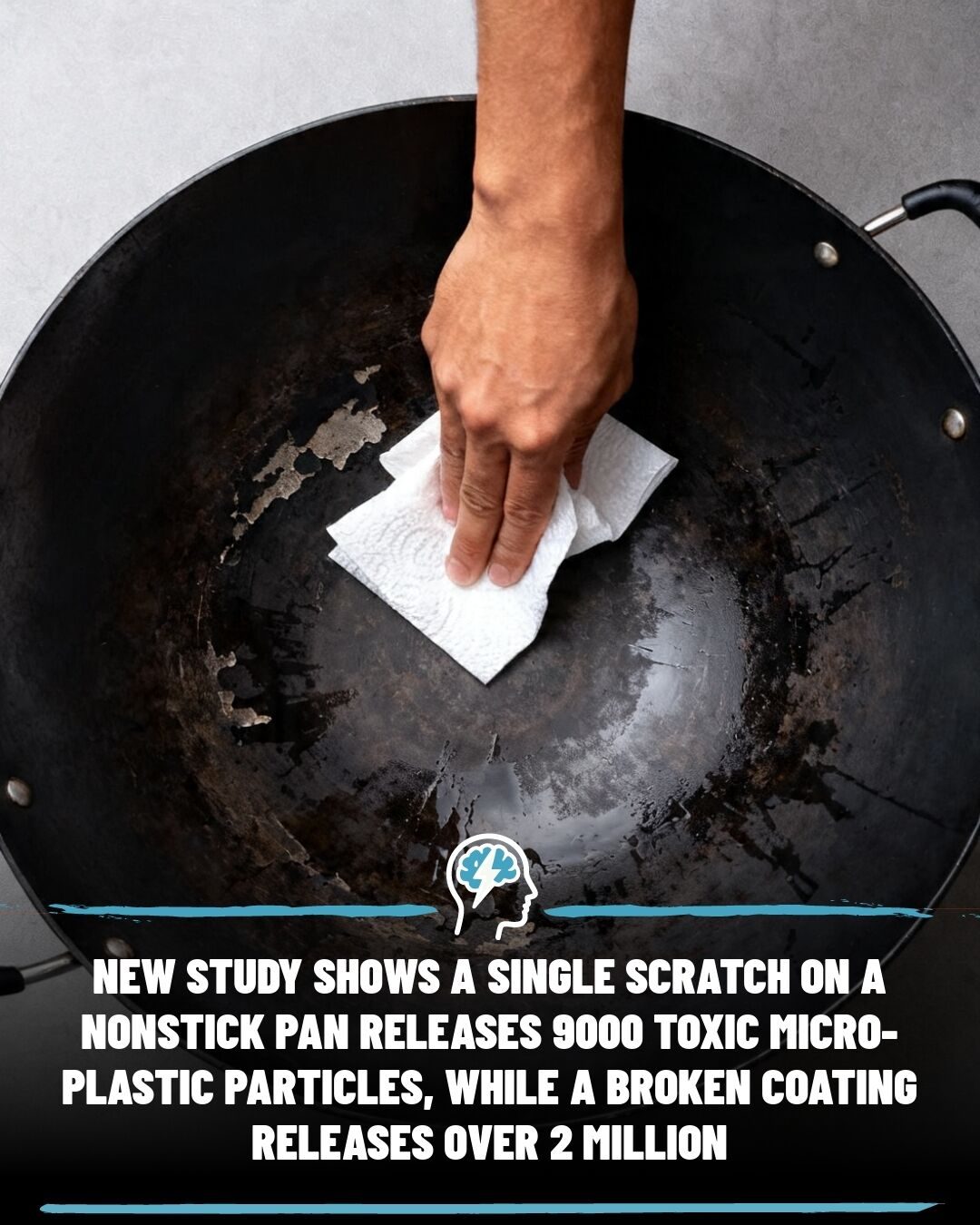
Nonstick pans, particularly those with Teflon or PTFE coatings, are a staple in many kitchens due to their convenience and ease of use. However, a recent 2024 study has raised concerns about the potential health risks associated with scratched or damaged nonstick cookware. Specifically, even a single scratch on a Teflon-coated pan can release approximately 9,000 micro and nanoplastic particles, while a severely damaged coating can release up to 2.3 million particles during a typical cooking session.
Why This Matters
The release of these micro and nanoplastic particles is concerning for several reasons. First, the coatings on nonstick pans often contain per- and polyfluorinated alkyl substances (PFAS), also known as "forever chemicals." These substances have been linked to various health issues, including immune system problems, elevated cholesterol, and certain cancers. The accumulation of PFAS in the human body can lead to long-term health issues, though the extent of these problems can vary based on individual exposure levels and other factors.
Understanding the Risks
The Science Behind Particle Release
Teflon, or polytetrafluoroethylene (PTFE), is a synthetic plastic coating used in nonstick cookware. When the coating is scratched by metal utensils, abrasive scrubbing, or general wear and tear, it can fragment into microscopic particles. These particles can range from visible specks to nanoscale fragments millions of times smaller. Researchers simulated real cooking conditions by applying heating, stirring, and cooling to damaged pans, then used advanced imaging to count the particles released. The results showed consistent particle release across multiple tests.
How Much is Released?
The study found that a single scratch on a Teflon-coated pan can release approximately 9,000 micro and nanoplastic particles. If the coating is severely damaged, the number of particles released can be as high as 2.3 million during a typical cooking session. This dramatic increase highlights the importance of maintaining the integrity of the nonstick coating.
Health Implications
The health implications of these particles are still being studied, but the presence of PFAS in the coating is a significant concern. PFAS are known as "forever chemicals" because they persist in the environment and the human body for extended periods. Research has linked PFAS accumulation to various health concerns, including:
- Immune system disorders
- Elevated cholesterol levels
- Thyroid issues
- Certain cancers
While the individual responses to PFAS exposure can vary significantly, it's clear that reducing exposure is a prudent step.
Practical Tips for Safe Use
Given the potential risks, it's essential to take practical steps to minimize exposure to micro and nanoplastic particles from nonstick cookware. Here are some best practices:
Avoid Metal Utensils
Metal utensils can scratch the nonstick surface, leading to the release of particles. Opt for wooden, silicone, or nylon utensils to protect the coating.
Gentle Cleaning
Avoid abrasive scrubbers and harsh chemicals when cleaning nonstick pans. Stick to gentle cleaning methods, such as warm soapy water and soft sponges or cloths.
Inspect Regularly
Regularly inspect your nonstick pans for visible damage, such as scratches or flaking. If you notice significant wear, consider replacing the pan.
Consider Alternatives
If you're concerned about the potential health risks, consider alternatives to nonstick cookware, such as:
- Stainless Steel: Durable and versatile, stainless steel pans are a good alternative, though they may require more oil for cooking.
- Cast Iron: Known for its durability and excellent heat retention, cast iron pans can be a good choice, though they require proper seasoning and care.
- Ceramic: Ceramic-coated pans offer a nonstick surface without the use of PTFE or PFAS. However, they may not be as durable as traditional nonstick pans.
Replace Damaged Pans
If your nonstick pan has significant scratches or a flaking coating, it's best to replace it. Continued use of damaged pans can increase the release of micro and nanoplastic particles.
Important Takeaways
The key takeaway from this information is the importance of being mindful of the condition of your nonstick cookware. While the study does not suggest panicking or immediately discarding every pan, it does highlight the need for careful use and maintenance.
- Regularly inspect your nonstick pans for damage.
- Avoid using metal utensils and harsh cleaning methods.
- Consider alternatives if you have concerns about potential health risks.
Conclusion
Nonstick pans offer convenience in the kitchen, but recent findings underscore the need for cautious use. By understanding the risks and following best practices, you can minimize your exposure to micro and nanoplastic particles and enjoy the benefits of nonstick cookware more safely. Whether you choose to stick with nonstick or explore alternatives, informed choices can help ensure a healthier kitchen environment.
Watch the Reel
Questions readers ask
What are the primary health concerns associated with nonstick pan scratches?
Scratched nonstick pans, particularly those with Teflon or PTFE coatings, can release harmful particles into food. These particles may contain PFAS, chemicals linked to immune system problems and certain cancers, which can enter the body through consumption.
How do metal utensils affect nonstick cookware?
Using metal utensils on nonstick cookware can cause scratches and accelerate the damage to the coating, increasing the number of harmful particles that may be released into your food.
What kind of damage can a single scratch cause?
Even a single scratch on a Teflon-coated pan can release a significant number of micro and nanoplastic particles—approximately 9,000—during cooking, potentially increasing your exposure to harmful substances.
What are the risks of using a severely damaged nonstick pan?
A severely damaged nonstick pan can release up to 2.3 million micro and nanoplastic particles during a typical cooking session, significantly increasing the potential health risks associated with PFAS exposure.
What are the best practices for maintaining nonstick cookware?
To minimize the release of harmful particles, avoid using metal utensils or abrasive scrubbers on nonstick cookware. Regularly inspect your pans for signs of damage, and consider replacing them if they show significant wear or scratches.
What can I do if my pan has a scratch?
If your nonstick pan has a scratch, check if it's safe to use. If the scratch is deep and you can't safely repair it, it's best to replace the pan. You can also try to minimize further damage by avoiding metal utensils and using gentle cleaning methods.
What are PFAS, and why are they a concern in nonstick pans?
PFAS, or per- and polyfluorinated alkyl substances, are chemicals often present in the coatings of nonstick pans. They are linked to various health issues, including immune system problems and certain cancers, making their potential release into food a significant concern.
Related deep dives
Similar reads based on topic and creator.



Recent articles
Fresh deep dives from the latest Reels we unpacked.




Comments
Be the first to comment.