Robotic Arms in Automotive Manufacturing: Precision and Immersion at Nissan
Robotics has revolutionized automotive manufacturing. In recent years, Nissan has leveraged robotic arms to streamline the car painting process. But Nissan's advancements in robotics don't stop with car painting. They're also innovating in the realm of immersive virtual reality experiences, creating a unique blend of physical movement and virtual reality.
Why This Matters
Automotive manufacturing relies heavily on precision and efficiency. Robotic arms offer unparalleled accuracy, ensuring that each car is painted flawlessly. Nissan's use of robotic arms in this process demonstrates a commitment to quality and technological advancement. Moreover, the company's exploration of robotics in virtual reality (VR) opens new doors for immersive entertainment.
Robotic Arms in Car Painting
Precision and Efficiency
Nissan's robotic arms are designed to apply paint with meticulous precision. Using advanced algorithms and sensors, these robotic arms can move with incredible accuracy, ensuring that every surface of the car is evenly coated. This precision not only enhances the visual appeal of the final product but also reduces the risk of defects, which can be costly to repair.
Versatility in Tasks
While painting is a primary application, robotic arms in automotive manufacturing are versatile tools. They can perform a variety of tasks, from welding and assembly to quality control. Nissan's implementation of these arms in their manufacturing process highlights their efficiency and adaptability, making them indispensable in modern automotive production.
Robotic Arms in Virtual Reality
Enhancing Immersive Entertainment
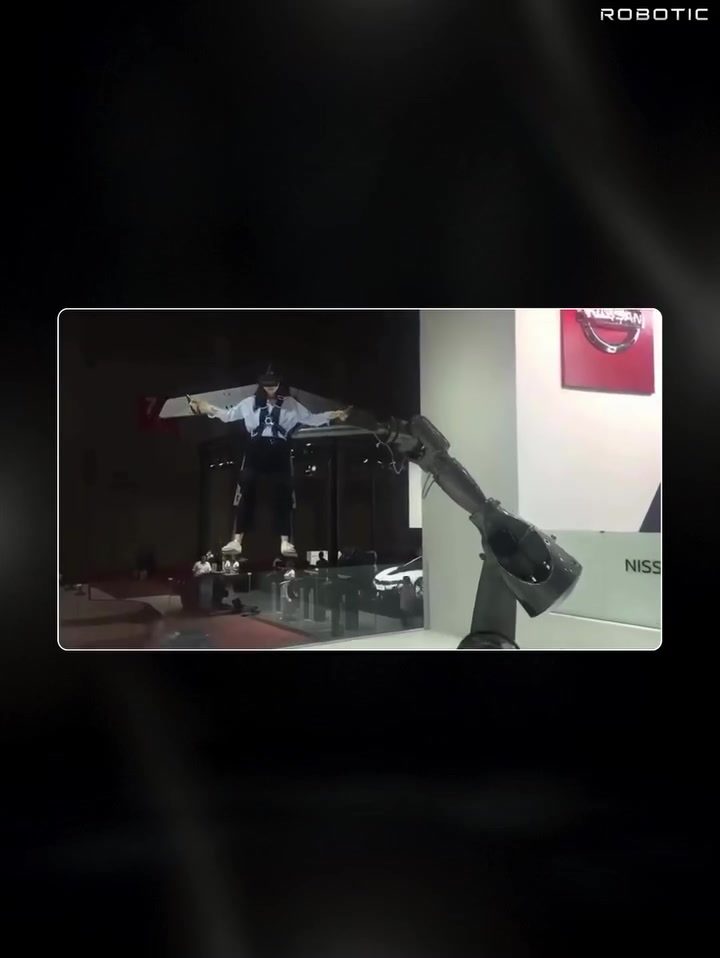
Nissan has taken a bold step into the world of VR with a unique application of robotic arms. The company created a VR base-jumping experience where a robotic arm synchronizes with a VR headset. This setup lifts, tilts, and moves the user to match the virtual environment, providing a sensation of freefall, movement, and direction changes that traditional VR systems cannot fully replicate.
The Technology Behind the Experience
The robotic arm used in this VR experience is programmed to mimic real-world movements based on the user's actions in the virtual environment. This synchronization creates an unmatched level of immersion. The arm's movements are precise and responsive, making the user feel like they are genuinely experiencing the thrill of base jumping.
Applications Beyond Entertainment
While developed as a technology demonstration, this project showcases how robotics and virtual reality can work together to create realistic physical experiences. This technology has applications beyond entertainment, including training simulations, therapy, and even remote work environments. The potential for such innovations is vast, pushing immersive technology to an entirely new level.
Practical Tips for Exploring Robotic Arms in Your Projects
Understanding the Basics
To explore robotic arms for your own projects, start by understanding the basic components and functionalities. Familiarize yourself with the different types of robotic arms, their applications, and the programming languages used to control them.
Learning Programming
Most robotic arms are controlled using specialized programming languages. Learning these languages is crucial for effectively utilizing robotic arms in your projects. Python and ROS (Robot Operating System) are commonly used in robotics, so getting comfortable with these tools will put you ahead.
Investing in Quality
When purchasing a robotic arm, it's essential to invest in quality. High-quality robotic arms offer better performance, durability, and support. Research the different options available, read reviews, and consider your specific needs before making a purchase.
Experimenting with Applications
Experimenting with different applications of robotic arms can provide valuable insights. Whether you're interested in manufacturing, VR, or other areas, hands-on experience will help you understand the potential and limitations of these tools.
Important Takeaways
The Future of Manufacturing
Robotics is set to play an even bigger role in automotive manufacturing. As technology advances, robotic arms will become more versatile and capable, further enhancing precision and efficiency in production processes.
Immersive Experiences
The integration of robotic arms with VR technology opens up new possibilities for immersive experiences. These advancements could revolutionize entertainment, training, and even remote work environments by providing realistic physical sensations.
Continuous Innovation
Nissan's exploration of robotic arms in both manufacturing and VR highlights their commitment to continuous innovation. As a leader in the automotive industry, Nissan sets a precedent for leveraging cutting-edge technology to enhance both product quality and user experience.
Conclusion
Robotic arms have become a cornerstone of modern manufacturing and entertainment. Nissan's innovative use of these tools in car painting and VR experiences demonstrates their transformative potential. By embracing robotics, Nissan not only enhances the quality of their products but also pushes the boundaries of immersive technology. As these technologies continue to evolve, they will undoubtedly shape the future of both industries.
Watch the Reel
Questions readers ask
How do robotic arms improve the automotive painting process at Nissan?
Robotic arms at Nissan enhance the painting process by providing exceptional precision and consistency. These arms can apply paint evenly and accurately, reducing the likelihood of human error and ensuring a flawless finish on every car. Additionally, they can work continuously without breaks, significantly improving efficiency in the manufacturing line.
What role does virtual reality play in Nissan's use of robotic arms?
Nissan integrates virtual reality to create immersive experiences using robotic arms. This technology allows users to blend physical movement with virtual environments, providing a unique and interactive way to engage with the robotic painting process. This can be used for training, demonstration, or even entertainment purposes, showcasing Nissan's commitment to innovation.
Can robotic arms in automotive painting be customized for different car models?
Yes, robotic arms in automotive painting can be programmed and customized for different car models. This flexibility allows Nissan to adapt the painting process to the specific requirements of each vehicle, ensuring that every model receives the precise and detailed finish it needs. The robots can be adjusted for various paint types, colors, and techniques.
How do robotic arms ensure consistent paint quality in automotive manufacturing?
Robotic arms ensure consistent paint quality by maintaining uniform speed and pressure as they move around complex surfaces. They apply paint with precise, repeatable movements, eliminating variations that can occur with human painting. This consistent precision leads to a high-quality paint finish that is uniform and free of imperfections.
What safety measures are in place when using robotic arms in automotive painting?
Nissan implements several safety measures when using robotic arms. These include safety barriers to prevent human contact with the robots while in operation, emergency stop systems, and regular maintenance checks to ensure the robots function correctly. Additionally, the robots are programmed to detect and avoid obstacles, further enhancing workplace safety.
How does Nissan's use of robotics in automotive painting benefit the environment?
Nissan's use of robotic arms in painting benefits the environment by reducing paint waste. The precision of robotic application ensures that paint is used efficiently, minimizing overspray and reducing the need for touch-ups. This not only lowers material costs but also decreases the environmental impact associated with paint disposal and cleanup.
What are the benefits of using robotic arms in car painting over traditional methods?
Using robotic arms in car painting offers several benefits over traditional methods. These include enhanced precision, consistency, and efficiency, which lead to a higher quality finish. Robotic arms can operate continuously, reducing downtime, and they can be programmed to handle various paint types and applications, making them versatile and adaptable to different manufacturing needs.
Related deep dives
Similar reads based on topic and creator.


Recent articles
Fresh deep dives from the latest Reels we unpacked.




Comments
Be the first to comment.