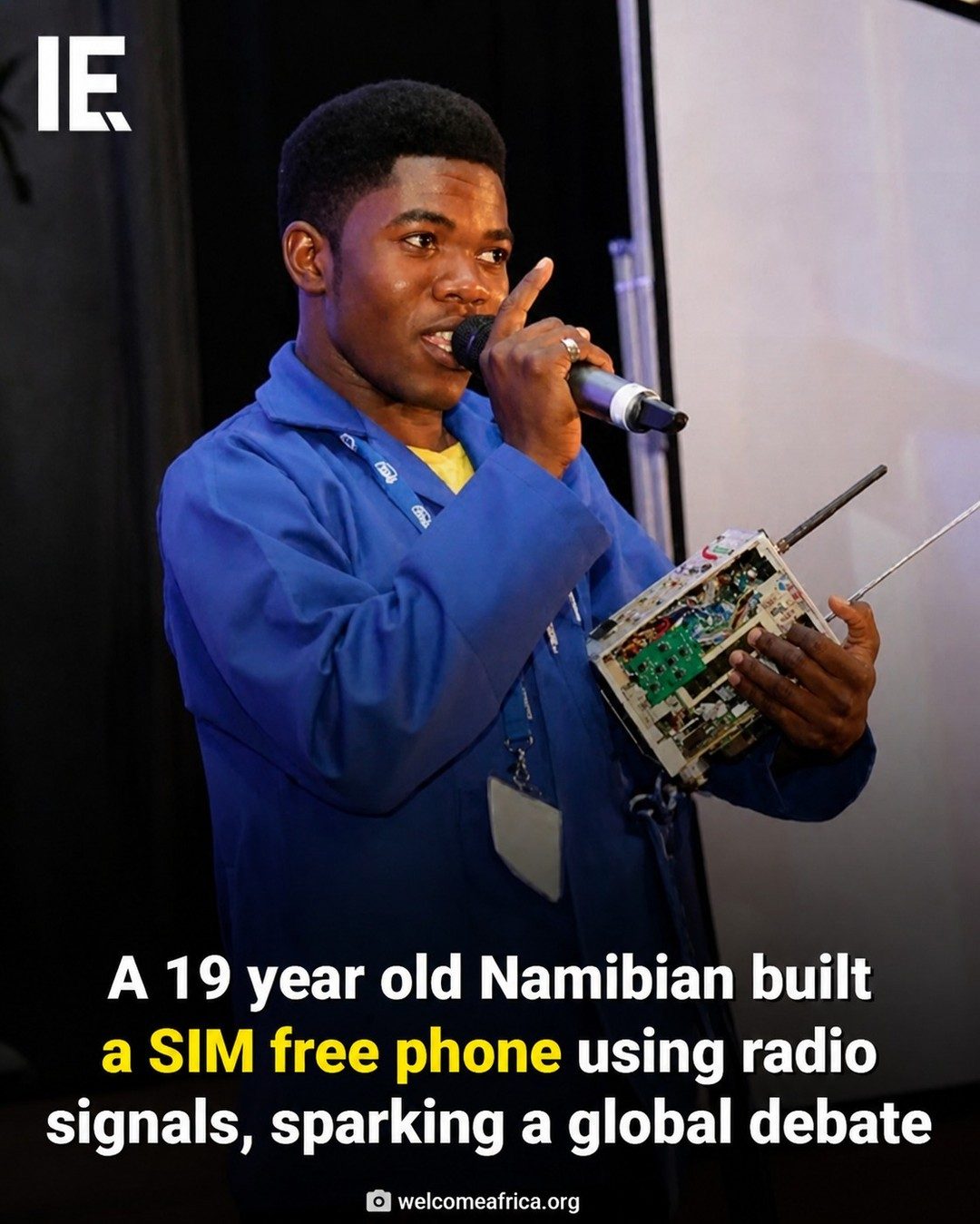
The Innovative SIM-Free Phone
Simon Petrus, a 19-year-old student from Namibia, has sparked a global conversation about innovation and technology with his groundbreaking invention: a SIM-free phone. The device, which operates using radio signals, has the potential to transform communication in areas with limited telecom infrastructure.
Why This Matters
The emergence of a SIM-free phone solution is significant for several reasons. Firstly, it highlights the potential for innovation in regions that may lack access to traditional mobile networks. In many parts of the world, especially in rural and under-resourced areas, mobile communication is a challenge due to the absence of telecom infrastructure. Petrus’ invention could bridge this gap, offering a viable alternative for communication.
Moreover, the controversy and debate around this innovation underscore the ongoing evolution of communication technologies. While some critics view it as a modernized walkie-talkie, its potential use case in areas without traditional mobile networks is undeniable, especially in regions where telecom infrastructure is minimal.
The Technology Behind the SIM-Free Phone
Simon Petrus’ invention stands on the idea of using radio frequencies instead of traditional SIM cards for mobile communication. This innovation is particularly useful in regions where traditional mobile networks are scarce or non-existent. Radio frequencies, which are widely used in various technologies, provide a reliable method for communication in diverse environments.
How Radio Signals Work
Radio signals transmit information through electromagnetic waves. These waves can travel long distances and penetrate obstacles like buildings and trees, making them a robust option for communication in remote areas. This is the same principle that underpins many existing technologies, including walkie-talkies, radio stations, and even satellite communication.
The Prototype and its Implications
The prototype phone, which Petrus showcased, is a testament to the potential of radio-based communication. This small device, featuring circuit boards, operates without the need for a SIM card or traditional mobile network connectivity. This feature makes it particularly valuable in under-resourced regions, where setting up a traditional mobile network may not be feasible.
Practical Tips
For those interested in understanding or replicating this technology, here are some practical steps and considerations:
Understanding the Basics
Before diving into the complexities, it’s important to grasp the basics of radio signal communication. This involves understanding how radio waves propagate, the frequency bands they operate on, and the components needed to transmit and receive these signals.
Building a Basic Radio Communication Device
-
Research: Start by researching the fundamental principles of radio communication. Understanding concepts such as modulation, frequency, and bandwidth is crucial.
-
Components: Gather essential components like a transmitter, receiver, antenna, and power source. These are the building blocks of any radio communication device.
-
Circuit Design: Design and build the circuit. This can be done using breadboards, soldering, and various electronic components. Many online resources and tutorials are available to help guide you through this process.
-
Testing: Test your device in different environments to understand its range and reliability. Environmental factors like terrain, weather, and obstacles can impact signal strength.
-
Optimization: Based on your testing, optimize your device. This might involve tweaking the circuitry, improving the antenna design, or adjusting the power source.
Important Takeaways
Innovation in Under-Resourced Regions
Simon Petrus’ invention showcases how innovation can thrive even in under-resourced regions. This is a reminder that creativity and ingenuity are not confined by geographical or resource limitations.
The Future of Mobile Communication
The global debate sparked by this invention reflects the evolving landscape of mobile communication. As technology advances, we can expect more innovative solutions that provide connectivity in previously unreachable areas.
Conclusion
Simon Petrus’ SIM-free phone is more than just a technological marvel; it represents a beacon of hope for regions struggling with telecom infrastructure. Whether it's viewed as a modern walkie-talkie or a revolutionary mobile communication device, the global debate it has ignited highlights the importance of innovation and the potential of radio-based communication. As we continue to explore new technologies and solutions, inventions like these pave the way for a more connected world.
Watch the Reel
Questions readers ask
How does the SIM-free phone developed by Simon Petrus work?
The SIM-free phone created by Simon Petrus uses radio signals instead of traditional SIM cards to enable communication. This allows the device to connect even in areas where telecom infrastructure is limited or non-existent.
What advantages does a SIM-free radio phone offer in rural areas?
A SIM-free radio phone like the one made by Simon Petrus can provide reliable communication in rural and remote areas where setting up traditional mobile networks can be challenging due to geographical obstacles or economic constraints.
Is it possible to build a phone without a SIM card?
Yes, it is possible to build a phone without a SIM card, as demonstrated by Simon Petrus. These devices typically use alternative methods such as radio signals to establish communication, making them suitable for regions with limited telecom services.
Can a SIM-free phone contribute to global phone connectivity?
Absolutely. SIM-free phones can significantly enhance global connectivity by providing communication solutions to under-resourced and remote areas. They offer an innovative way to connect communities that would otherwise be left behind due to a lack of traditional telecom infrastructure.
What inspired Simon Petrus to create a SIM-free phone?
Simon Petrus, a 19-year-old from Namibia, was motivated by the need to improve communication in areas with limited access to traditional mobile networks. His invention aims to bridge the connectivity gap in rural and under-resourced regions.
How does the SIM-free phone innovation contribute to the mobile technology debate?
The SIM-free phone innovation sparks a global conversation about the future of mobile technology. It challenges traditional methods of communication and encourages the exploration of new solutions for regions lacking adequate telecom infrastructure.
Related deep dives
Similar reads based on topic and creator.



Recent articles
Fresh deep dives from the latest Reels we unpacked.




Comments
Be the first to comment.