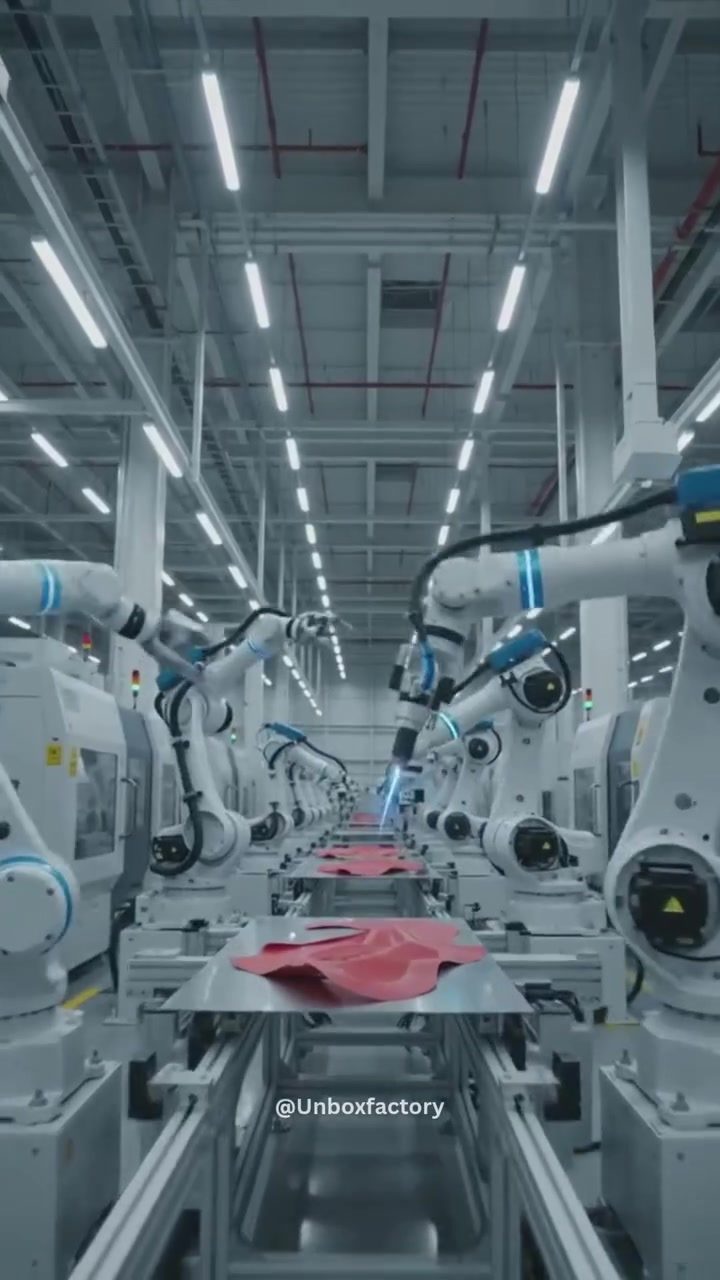
Nike's Automated Shoe Manufacturing: Revolutionizing Production
Nike's foray into automated shoe manufacturing represents a significant shift in how footwear is produced. The process, which eliminates human hands entirely from the assembly line, utilizes advanced robotic systems to handle every stage of production. This innovative approach not only enhances efficiency but also promises to reshape the economic landscape of the footwear industry.
Context
Automation in Manufacturing
Automation has long been a burgeoning trend in manufacturing, driven by the need for increased efficiency, reduced costs, and improved quality control. Nike's fully automated manufacturing line is a prime example of this trend. By leveraging robotic systems, Nike aims to streamline production processes and achieve higher levels of precision and consistency in their products.
The Traditional Manufacturing Process
Traditional shoe manufacturing involves multiple stages, including cutting upper materials, lasting the shoe over the form, applying adhesive, bonding the upper to the sole, and performing quality inspections. Each of these steps has historically required skilled labor. However, with the introduction of automated systems, Nike has managed to integrate these stages into a seamless, machine-driven process.
Main Discussion
The Automated Manufacturing Process
Nike's automated manufacturing line is designed to handle the entire production process without human intervention. This includes:
-
Cutting Upper Materials: Robotic systems employ laser cutting techniques to precisely cut the upper materials of the shoe. This ensures that each piece is perfectly cut, reducing waste and enhancing the overall quality of the final product.
-
Lasting: The process of lasting involves shaping the upper materials over a mold to form the shoe's structure. Automated machines perform this task with exacting precision, ensuring consistent sizing and shape.
-
Adhesive Bonding: Adhesive bonding is a critical step in shoe manufacturing, where the upper is attached to the sole. Robotic systems apply the adhesive with meticulous control, ensuring the correct amount and distribution, which is essential for the shoe’s durability and performance.
-
Sole Attachment: The final attachment of the sole to the upper is also handled by robotic systems, ensuring a secure and durable bond. This step is crucial for the overall stability and comfort of the shoe.
Quality Control
Quality control in automated manufacturing is performed using camera-based inspection systems. These systems meticulously inspect each shoe for any defects or inconsistencies, ensuring that only products meeting the highest standards advance to the packaging stage.
Advantages of Automation
One of the primary advantages of automated manufacturing is the significant increase in production speed. Nike claims that its automated line runs 50% faster than traditional factories. This efficiency is achieved through the precise control of bonding pressures and adhesive volumes, which are consistently maintained by machines.
Another major benefit is the consistency in quality. Human labor can introduce variability due to factors like worker fatigue, but automated systems operate with unwavering precision, resulting in more consistent and reliable products.
Economic Implications
The economic rationale for locating footwear factories in low-wage countries has long been driven by the cost advantages of labor. However, if fully automated shoe manufacturing can achieve cost parity with production in these countries, the economic landscape could shift dramatically.
By achieving cost parity, Nike and other footwear manufacturers could potentially bring production back to higher-wage countries, such as the United States. This shift could have profound effects on global supply chains, job markets, and economic policies.
Practical Tips
For those interested in understanding or implementing automated manufacturing processes, a few key considerations can guide the way:
Invest in Robotic Systems
Investing in advanced robotic systems is a crucial step. These systems should be capable of handling a wide range of tasks, from cutting and lasting to adhesive bonding and sole attachment. Look for systems that offer high precision and reliability.
Implement Quality Control Systems
Quality control is paramount in automated manufacturing. Implementing camera-based inspection systems can help ensure that every product meets the required standards. These systems should be integrated into the production line to catch and correct any defects in real-time.
Optimize Production Layout
The layout of the production line can significantly impact efficiency. Ensure that the layout is optimized for smooth material flow and minimal downtime. Consider using conveyor belts to move products efficiently through each stage of production.
Train and Maintain Robots
While the goal is to eliminate human hands from the assembly line, skilled personnel are still needed to maintain and program the robotic systems. Regular maintenance and updates are essential to keep the production line running smoothly.
Stay Updated on Technological Advances
The field of robotics is constantly evolving, with new technologies and innovations emerging regularly. Staying updated on the latest advancements can help manufacturers continuously improve their production processes and stay ahead of the competition.
Important Takeaways
Nike's automated manufacturing process represents a significant leap forward in the footwear industry. By eliminating human hands from the assembly line, Nike has achieved:
- Increased Production Speed: Automated systems run 50% faster than traditional factories.
- Consistent Quality: Precise control of bonding pressures and adhesive volumes ensures high-quality products.
- Potential Cost Parity: If automated manufacturing can achieve cost parity with low-wage countries, it could reshape global supply chains and economic policies.
Conclusion
Nike's fully automated shoe manufacturing process is a testament to the power of automation in modern manufacturing. By leveraging advanced robotic systems, Nike has not only increased production efficiency but also improved product quality and consistency. As the technology continues to evolve, it could lead to a significant shift in where and how shoes are produced, potentially bringing manufacturing back to higher-wage countries. This transformation highlights the potential of automation to revolutionize traditional industries and pave the way for a more efficient and cost-effective future.
Watch the Reel
Questions readers ask
What makes Nike's automated shoe factory unique compared to traditional manufacturing methods?
Nike's automated shoe factory stands out because it operates as a human-free assembly line. Unlike traditional methods, every stage of production, from cutting and bonding to final assembly, is handled by advanced robotic systems. This is a first in the footwear industry in the US.
How does the automated process improve production efficiency?
The automated process streamlines production by reducing the need for manual labor. Robotic systems can operate continuously without breaks, maintaining a consistent production rate and reducing the likelihood of human error. This leads to faster production times and increased output.
What specific robotic technologies are used in Nike's automated factory?
Nike's automated factory employs a variety of advanced robotic technologies, including cutting-edge adhesive bonding systems for precise assembly, and laser-guided machines for precision cuts. These technologies work in harmony to ensure high-quality production and minimal waste.
Will the automated factory affect the job market in the US manufacturing sector?
Nike's automated factory might lead to a shift in the job market. While it may reduce the need for manual labor, it could also create new roles in technology and maintenance. This aligns with the broader trend of automation in manufacturing, which often necessitates a skilled workforce for managing and maintaining advanced systems.
What are the potential economic impacts of Nike's automated shoe factory?
The economic impacts could be substantial. Increased production efficiency and reduced operational costs may lead to cost savings, which could be passed on to consumers. Additionally, the factory could spur innovation in the footwear industry, encouraging other manufacturers to adopt similar technologies to stay competitive.
What are the potential environmental benefits of this new approach?
Automated manufacturing processes can contribute to environmental sustainability. By minimizing waste and optimizing material use, the factory reduces its environmental footprint. Furthermore, the precision of robotic systems can lead to more efficient resource management, potentially lowering the overall environmental impact of shoe production.
Related deep dives
Similar reads based on topic and creator.



Recent articles
Fresh deep dives from the latest Reels we unpacked.




Comments
Be the first to comment.