Elephant Orphanages in Kenya: The Practice of Nighttime Companionship
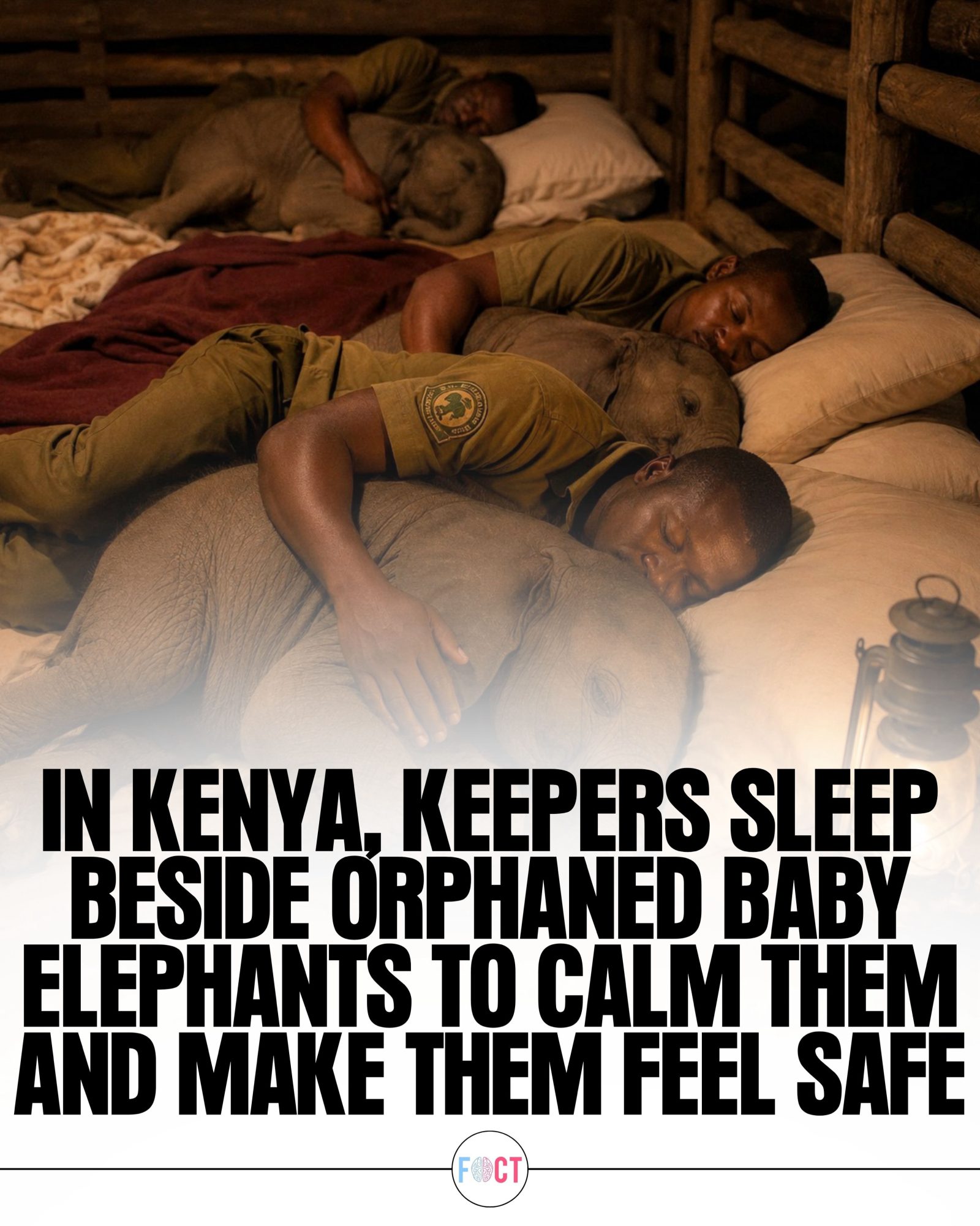
In Kenya, elephant orphanages employ a unique and comforting practice: keepers sleep beside orphaned baby elephants. This approach is designed to help the young elephants feel calm, protected, and less alone after losing their mothers. The close contact provides the calves with much-needed comfort during a deeply vulnerable stage, aiding their adjustment to human care while they recover emotionally and physically.
Why This Matters
The loss of a mother is a traumatic event for any young animal, and elephants are no exception. Orphaned elephant calves face not only the emotional pain of losing their mother but also the physical challenges of survival without her care and protection. In the wild, elephant calves rely on their mothers for milk, protection, and socialization. When they are orphaned, they often require extensive human intervention to survive and thrive. The practice of keepers sleeping beside these calves is a crucial aspect of their care, helping them to build trust and eventually prepare for a return to the wild.
The Role of Keepers in Elephant Orphanages
A Surrogate Family
In elephant orphanages, especially those associated with the Sheldrick Wildlife Trust in Nairobi, caretakers act as surrogate family members. Their round-the-clock care, including nighttime companionship, is essential for the young elephants' well-being. The keepers not only provide physical care but also emotional support, helping the calves to build trust and overcome trauma.
Building Trust and Security
The practice of keepers sleeping beside orphaned baby elephants is aimed at calming the elephants and making them feel safe. This close contact helps the calves to feel less alone and more secure, which is crucial for their emotional recovery. The keepers' presence mimics the protective and comforting role that a mother elephant would play, providing a sense of security and stability.
Emotional and Physical Recovery
Orphaned elephants often require extensive care to recover both emotionally and physically. The close contact with keepers helps the calves to feel calm and protected, which aids in their physical recovery. The emotional support provided by the keepers is equally important, as it helps the calves to build trust and resilience, preparing them for eventual reintegration into the wild.
The Sheldrick Wildlife Trust
The Sheldrick Wildlife Trust in Nairobi is particularly known for its innovative and compassionate approach to elephant care. The trust's caretakers act as surrogate family members, providing round-the-clock care to rescued elephant calves. This care includes nighttime companionship, which is a vital component of the calves' emotional and physical recovery.
A Model for Elephant Care
The Sheldrick Wildlife Trust serves as a model for elephant care, demonstrating the importance of emotional support in the recovery of orphaned elephants. The trust's approach focuses on providing a nurturing environment that mimics the natural bonds between a mother and her calf, helping the young elephants to build trust and overcome trauma.
Preparing for a Return to the Wild
The ultimate goal of elephant orphanages is to prepare the young elephants for a return to the wild. The round-the-clock care provided by keepers, including nighttime companionship, is essential for this preparation. By building trust and resilience, the calves are better equipped to survive and thrive in their natural habitat.
Practical Tips for Supporting Elephant Orphanages
Volunteer and Support
One of the best ways to support elephant orphanages is by volunteering or donating. Many orphanages, including the Sheldrick Wildlife Trust, rely on the support of volunteers and donations to continue their work. By volunteering or donating, you can help to provide the care and support that orphaned elephants need to survive and thrive.
Advocate for Wildlife Conservation
Advocating for wildlife conservation is another way to support elephant orphanages. By raising awareness about the challenges faced by orphaned elephants and the importance of their care, you can help to ensure that these animals receive the support they need.
Visit Responsibly
If you plan to visit an elephant orphanage, it's important to do so responsibly. Support orphanages that prioritize the well-being of the elephants and adhere to ethical guidelines for elephant care. By choosing to visit responsible orphanages, you can help to ensure that these animals receive the care and support they need.
Important Takeaways
- Emotional Support: The practice of keepers sleeping beside orphaned baby elephants is crucial for their emotional recovery.
- Building Trust: Close contact with keepers helps the calves to build trust and resilience, preparing them for a return to the wild.
- Physical and Emotional Care: Orphaned elephants require extensive care to recover both emotionally and physically, and the support provided by keepers is essential for this recovery.
Conclusion
The practice of keepers sleeping beside orphaned baby elephants in Kenya's elephant orphanages is a testament to the deep commitment and care that goes into supporting these vulnerable animals. By providing emotional and physical support, keepers help the young elephants to build trust, overcome trauma, and eventually prepare for a return to the wild. This approach, particularly at the Sheldrick Wildlife Trust in Nairobi, serves as a model for compassionate and effective elephant care.
Watch the Reel
Questions readers ask
Why do Kenyan elephant orphanages practice overnight care for baby elephants?
Kenyan elephant orphanages, such as those run by the Sheldrick Wildlife Trust, practice overnight care to provide orphaned baby elephants with comfort, protection, and a sense of security. This helps the young elephants cope with the trauma of losing their mothers and adapt to their new environment.
How do elephant keepers in Kenya comfort orphaned baby elephants at night?
Elephant keepers in Kenya comfort orphaned baby elephants by sleeping beside them. This close contact mimics the presence of a mother and offers a sense of security, helping the baby elephants feel calm and less alone during the night.
What is the role of the Sheldrick Wildlife Trust in caring for orphaned baby elephants in Kenya?
The Sheldrick Wildlife Trust plays a significant role in caring for orphaned baby elephants in Kenya, particularly through their elephant orphanage. The organization focuses on providing essential nighttime companionship, along with other forms of care, to support the emotional and physical well-being of the orphaned calves.
What challenges do orphaned baby elephants face that require nighttime care?
Orphaned baby elephants face emotional trauma from the loss of their mothers, as well as physical challenges related to survival. Nighttime care helps them cope with these issues by providing comfort, security, and a sense of safety, which are crucial for their recovery.
What is the significance of nighttime companionship for baby elephants in orphanages?
Nighttime companionship is significant for baby elephants in orphanages because it provides them with a constant presence, helping to reduce stress and anxiety. This practice is essential in aiding the elephants' emotional recovery and adjustment to life in the orphanage.
Related deep dives
Similar reads based on topic and creator.
Recent articles
Fresh deep dives from the latest Reels we unpacked.




Comments
Be the first to comment.