Solar Power Initiative in Nigeria
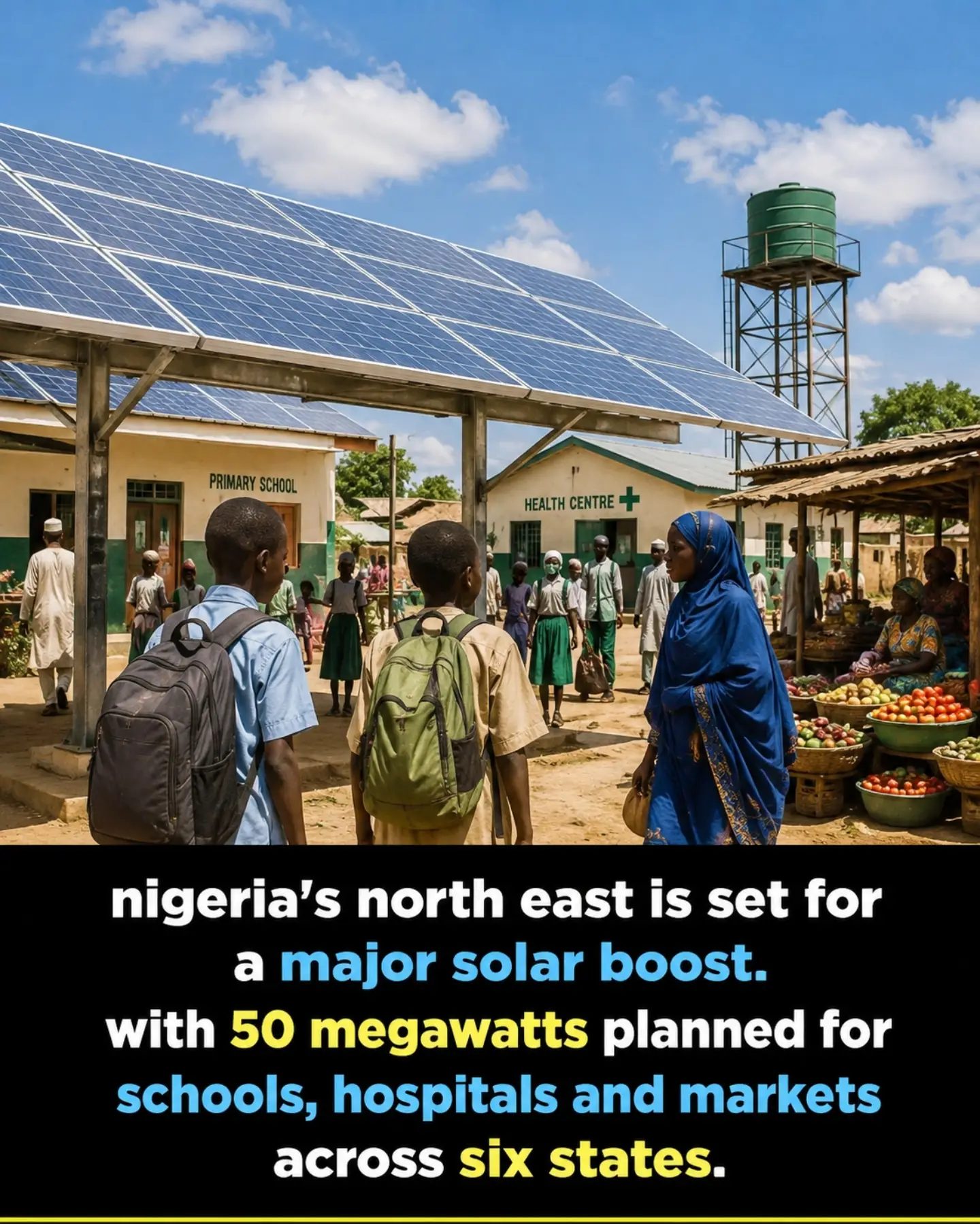
Nigeria’s northeastern region is on the brink of a transformative change with a significant solar power initiative. This initiative aims to bolster the region's energy infrastructure by integrating 50 megawatts of solar power. The project, which spans six states, targets critical community hubs such as schools, hospitals, and markets. This article explores the impact and importance of this initiative.
Context / Why this matters
Nigeria, Africa's most populous country, has long struggled with reliable electricity. This solar power initiative is a pivotal step towards addressing the chronic energy shortages that have hindered economic development and affected essential services. The northeastern region, in particular, faces additional challenges due to conflict and displacement, making access to stable energy even more crucial. By focusing on schools, hospitals, and markets, the initiative ensures that key community services will benefit directly.
Main discussion
The scope of the initiative
The solar power initiative covers six states in Nigeria’s north east region. This expansive reach means that numerous communities will have access to a more reliable and sustainable energy source. The 50 megawatts of solar power planned for distribution will significantly enhance the energy supply in these areas, especially in regions where grid electricity is sporadic or non-existent.
Targeted sectors
The initiative specifically targets schools, hospitals, and markets. These sectors are fundamental to the community's well-being and economic stability. By ensuring these places have consistent access to electricity, the initiative aims to:
- Improve education: Reliable power in schools enables better learning conditions, extends instructional hours, and supports the use of technology in classrooms.
- Enhance healthcare: Hospitals equipped with solar power can provide uninterrupted medical services, store vaccines and medicines correctly, and operate essential medical equipment without disruption.
- Boost local economies: Markets with stable electricity can attract more vendors and customers, extend trading hours, and support the growth of local businesses.
Technical and logistical aspects
The implementation of solar power involves several technical and logistical considerations. Solar panels, inverters, batteries, and other necessary equipment need to be installed and maintained. Ensuring the durability and efficiency of these components in Nigeria’s diverse climate is crucial. Community involvement and local training programs are essential for maintaining the solar systems and ensuring long-term sustainability.
Community impact
The impact of this initiative extends beyond just the provision of electricity. It fosters a sense of community and resilience. When communities have access to reliable power, they can focus on development and growth rather than basic survival. This initiative can inspire similar projects across other regions in Nigeria and beyond, demonstrating the viability of solar power in addressing energy challenges.
Challenges and solutions
While the benefits are clear, several challenges need to be addressed. These include:
- Initial infrastructure costs: While solar power is cost-effective in the long run, the initial setup costs can be high. Innovative financing models, such as public-private partnerships and community-based funding, can help alleviate this burden.
- Maintenance: Regular maintenance is essential for the longevity of solar systems. Training local personnel and establishing maintenance protocols can ensure that the systems remain operational.
- Public awareness: Educating the community about the benefits of solar power and how to use it effectively is crucial. Public awareness campaigns and community engagement can help build support and ensure the initiative's success.
Practical tips
Implementing a large-scale solar power initiative requires careful planning and execution. Here are some practical tips for stakeholders involved in similar projects:
- Conduct thorough assessments: Understand the specific energy needs of the target communities and tailor the solar power systems accordingly.
- Engage local communities: Involve local residents in the planning and implementation process. This ensures that the project meets their needs and fosters a sense of ownership.
- Invest in training: Provide training to local personnel for installation, maintenance, and troubleshooting of solar systems. This ensures sustainability and reduces dependency on external experts.
- Establish maintenance plans: Create a comprehensive maintenance plan to address potential issues and ensure the long-term viability of the solar systems.
- Promote public awareness: Educate the community about the benefits and proper use of solar power. This can be done through workshops, demonstrations, and community events.
Important takeaways
The solar power initiative in Nigeria’s north east is a significant step towards addressing the region's energy challenges. Here are the key takeaways:
- The initiative aims to provide 50 megawatts of solar power to schools, hospitals, and markets across six states.
- Reliable electricity in these sectors can have a profound impact on education, healthcare, and local economies.
- Successful implementation requires careful planning, community engagement, and comprehensive maintenance strategies.
- This initiative sets a precedent for similar projects in other regions, demonstrating the feasibility and benefits of solar power.
Conclusion
The solar power initiative in Nigeria’s northeastern region is a key step towards ensuring sustainable and reliable energy for essential community services. By targeting schools, hospitals, and markets, the project aims to enhance the quality of life and drive economic growth. While challenges exist, the benefits far outweigh the obstacles, making this initiative a beacon of hope and progress for the region. As we move forward, similar initiatives can be implemented across Nigeria and other countries, harnessing the power of the sun for a brighter future.
Watch the Reel
Questions readers ask
Which specific states in Nigeria's northeast will benefit from the 50MW solar project?
The 50MW solar project will span across six states in Nigeria's northeastern region. While the specific states are not listed in the article, they are expected to include areas with significant energy shortages and communities affected by conflict and displacement.
What are the primary benefits of the solar power initiative for schools and hospitals in the region?
The solar power initiative will enhance essential services by providing a reliable power source for schools and hospitals. This will improve the functionality of these critical institutions, enabling better healthcare services and uninterrupted learning environments, especially in areas where grid electricity is unstable or non-existent.
How will the 50MW solar project support economic development in Northeast Nigeria?
By providing a stable power supply to markets and other economic hubs, the solar project will support local businesses, encouraging growth and development. This reliable energy source will enable extended operating hours, attract more customers, and foster economic activities that can drive local prosperity. In addition, it will facilitate the creation of jobs, both directly within the solar industry and indirectly through stimulated economic growth.
What role does solar energy play in conflict-affected communities in Northeast Nigeria?
Solar energy can play a crucial role in supporting conflict-affected communities by providing a reliable and independent power source. This can help in restoring essential services, promoting community resilience, and fostering a sense of normality and hope in areas affected by conflict and displacement. Furthermore, solar energy can help in the reconstruction and development of these communities by supporting critical infrastructure and services.
What are the expected impacts of the 50MW solar project on energy access in Northeast Nigeria?
The 50MW solar project is expected to significantly improve energy access in Northeast Nigeria. By targeting critical community hubs, the project will bring power to areas that have long suffered from chronic energy shortages. This will have a profound impact on the daily lives of residents, enhancing their access to essential services and fostering economic development. Additionally, the project will contribute to the country's efforts towards sustainable energy development, promoting clean and renewable energy sources.
Recent articles
Fresh deep dives from the latest Reels we unpacked.




Comments
Be the first to comment.