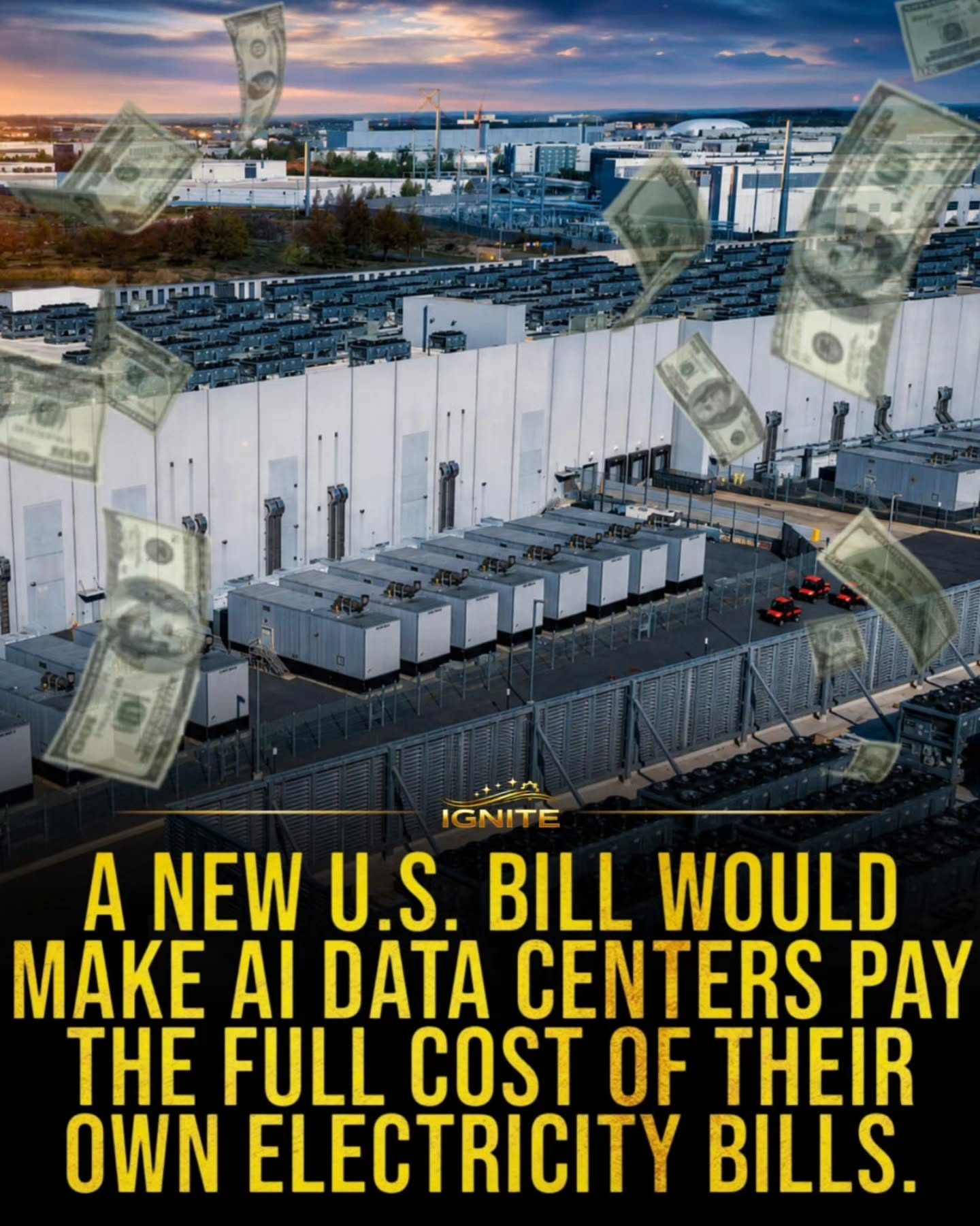
AI Data Centers and Energy Costs: A Look into the Proposed U.S. Bill
Artificial Intelligence (AI) data centers are at the heart of modern technological advancements, powering everything from machine learning models to data analytics. These centers consume vast amounts of electricity, making energy costs a significant expense. A new U.S. bill aims to address this by requiring AI data centers to pay the full cost of their electricity, a change that could have far-reaching implications for the tech industry.
Context / Why this Matters
The energy consumption of AI data centers is a pressing issue due to both economic and environmental concerns. These centers, essential for processing and storing large volumes of data, often benefit from subsidized electricity rates. This financial relief has historically reduced operational costs, making AI more accessible and affordable. However, this also means that the broader public might be indirectly subsidizing the energy bills of these powerful data centers, raising concerns about sustainability and equity.
The proposed bill would change this dynamic. By requiring AI data centers to pay the full cost of their electricity, the bill aims to create a more equitable distribution of energy costs. This move could potentially reduce the financial burden on the public while encouraging data centers to seek more energy-efficient solutions. Additionally, it could incentivize the adoption of renewable energy sources, helping to mitigate the environmental impact of these centers.
Main Discussion
Understanding the Energy Demand of AI Data Centers
AI data centers are designed to handle complex, data-intensive tasks that require a lot of computational power. This demand for processing power translates into high energy consumption. Servers, cooling systems, and other necessary infrastructure all require electricity, and the continuous operation of these systems results in substantial energy bills.
The Current Electricity Pricing Model
Currently, many AI data centers operate under a pricing model that provides them with subsidized electricity. These subsidies can come from various sources, including government incentives or lower commercial rates. While this model has helped foster innovation and growth in the tech industry, it has also led to a situation where data centers are not paying the full market price for their energy.
The Environmental and Economic Impact
The environmental impact of AI data centers is significant. According to various studies, data centers alone can account for a substantial percentage of a country's energy consumption. The environmental cost of this energy use is considerable, particularly when considering the carbon footprint associated with electricity generation. Additionally, the economic implications are also noteworthy. Subsidized electricity rates mean that the cost of energy is not fully reflected in the operational expenses of data centers, which can lead to a misallocation of resources.
The Proposed U.S. Bill
Ignite, a prominent company in the tech industry, has highlighted a new U.S. bill that seeks to change the current pricing model. This bill aims to make AI data centers pay the full cost of their electricity, which would have several potential benefits. Firstly, it could lead to more responsible energy use and encourage data centers to invest in energy-efficient technologies. Secondly, it could help reduce the financial burden on the public, ensuring that the cost of energy is more equitably distributed.
Practical Tips
For Data Centers
If you manage an AI data center, it's crucial to start planning for the potential changes that this bill could bring. Here are some practical steps you can take:
1. Conduct an Energy Audit
Start by conducting a comprehensive energy audit of your data center. This will help you understand where energy is being used most efficiently and where improvements can be made.
2. Invest in Energy-Efficient Infrastructure
Consider investing in energy-efficient servers, cooling systems, and other infrastructure. While the upfront costs may be high, the long-term savings and environmental benefits can be significant.
3. Explore Renewable Energy Options
Explore the possibility of transitioning to renewable energy sources. Many data centers worldwide are already making this shift, and the benefits for both the environment and your operational costs can be substantial.
For Tech Companies
If you rely on AI data centers for your operations, you should also be prepared for the potential impact of this bill. Here are some steps you can take:
1. Engage with Data Center Providers
Start a dialogue with your data center providers to understand how they plan to adapt to the new regulations. This will help you prepare for any changes in operational costs and ensure business continuity.
2. Explore Alternatives
Consider exploring alternative solutions, such as cloud-based services that prioritize energy efficiency. Investing in more sustainable options could save you money in the long run.
3. Implement Energy Management Practices
Take steps to improve your own energy management practices. This could include adopting more energy-efficient coding practices, optimizing workloads, and reducing data storage.
Important Takeaways
The proposed bill to make AI data centers pay the full cost of their electricity is a significant development in the tech industry. By understanding the implications of this change, data centers, and tech companies can take proactive steps to mitigate potential challenges and even benefit from the shift.
Energy Efficiency is Key
Regardless of the outcome of the proposed bill, investing in energy efficiency is a smart move. This not only helps reduce operational costs but also aligns with broader environmental sustainability goals. Data centers that prioritize energy efficiency will be better positioned to thrive in a changing regulatory landscape.
Innovation Through Necessity
The proposed bill could drive innovation in the tech industry. As companies seek to reduce their energy costs, they may invest in new technologies and practices that improve energy efficiency and reduce environmental impact. This could lead to significant advancements in the field of AI and data processing.
Conclusion
The proposed U.S. bill to make AI data centers pay the full cost of their electricity represents a significant shift in how energy costs are distributed in the tech industry. While this change could bring challenges, it also presents opportunities for innovation and sustainability. By taking proactive steps to understand and prepare for these changes, data centers and tech companies can position themselves for success in a more energy-conscious future. This shift could pave the way for a more sustainable and equitable tech industry, where energy costs are fully reflected in operational expenses, and the environmental impact of AI data centers is minimized.
Watch the Reel
Questions readers ask
What are AI data centers and why do they consume so much energy?
AI data centers are facilities that house powerful computers and servers used to process and store large amounts of data for AI applications. They consume significant amounts of energy due to the constant operation of these high-performance machines and the cooling systems required to prevent overheating.
Why is the new U.S. bill targeting AI data centers?
The new U.S. bill aims to address the high energy consumption and environmental impact of AI data centers. By requiring these centers to pay the full cost of their electricity, the bill seeks to shift the financial burden and encourage more sustainable energy practices within the tech industry.
How will the proposed bill affect the tech industry?
The bill could lead to increased operational costs for tech companies that rely on AI data centers. This may prompt companies to explore more energy-efficient technologies, invest in renewable energy sources, or optimize their data processing methods to reduce energy consumption and lower costs.
What are the environmental implications of AI data centers?
AI data centers contribute to environmental concerns due to their high energy consumption, which often relies on non-renewable energy sources. This leads to significant carbon emissions. By encouraging more sustainable energy practices, the proposed bill aims to mitigate these environmental impacts.
Will this bill affect the advancements in AI technology?
The bill may indirectly influence AI technology advancements by incentivizing the development of more energy-efficient hardware and software solutions. While there could be short-term challenges, the long-term goal is to foster sustainable growth in the AI sector.
Related deep dives
Similar reads based on topic and creator.




Recent articles
Fresh deep dives from the latest Reels we unpacked.




Comments
Be the first to comment.