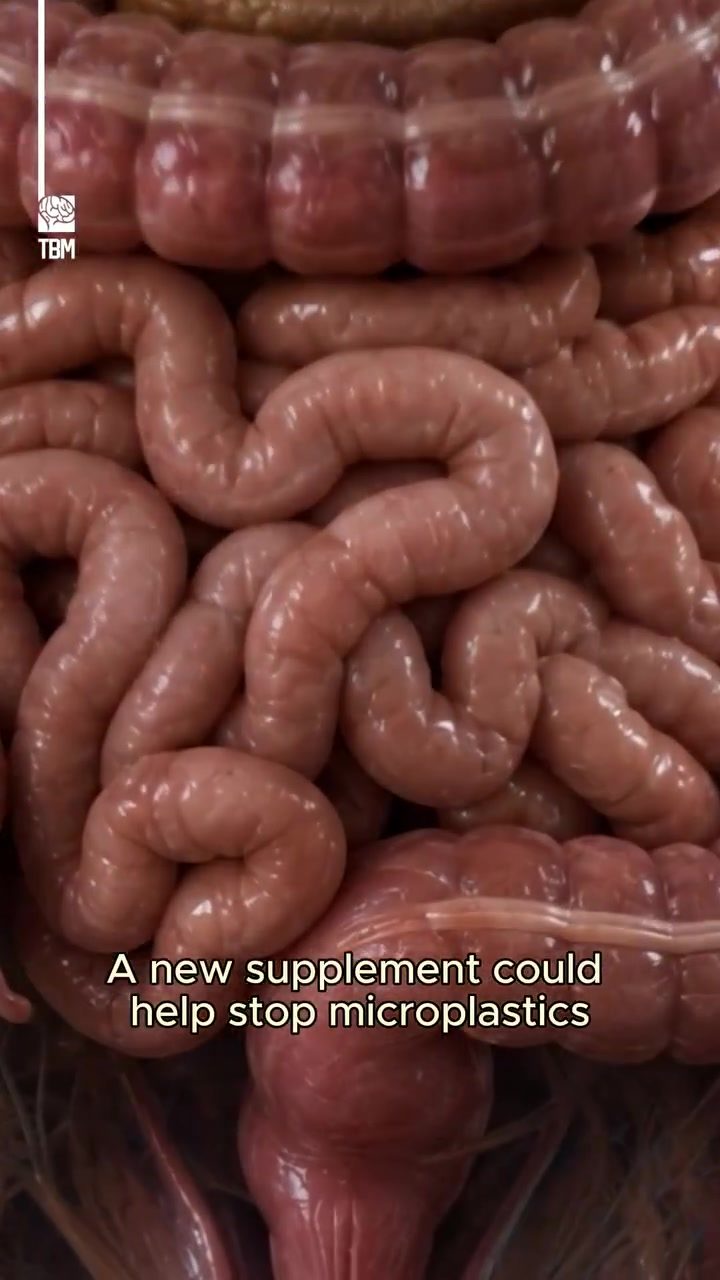
Microplastics and Gut Health
Microplastics are a growing concern in our daily lives, and researchers are continually discovering new ways to mitigate their impact. One intriguing avenue being explored is the development of a supplement designed to trap microplastics within the digestive system before they can enter the bloodstream. This new supplement, produced by the company TBM, is a postbiotic made from inactive bacterial cells that may act as tiny filters in the gut.
Context / Why this matters
Microplastics are plastic particles smaller than five millimeters, and they are pervasive in our environment. They are found in the food we eat, the water we drink, and even the air we breathe. These minute particles have been detected in human blood, lungs, and even brain tissue, raising significant concerns about their potential health impacts.
The presence of microplastics in the human body has been linked to several health issues. Some studies have found microplastics in arterial plaque, suggesting a higher risk of heart attack and stroke. Other research has reported elevated levels of microplastics in the brains of people with Alzheimer's disease.
Main discussion
How the Supplement Works
The supplement, called Qi 601, contains inactive bacterial cells that have been heat-killed, leaving behind their strong outer cell walls. These cell walls have a rough surface that appears to attract and bind microplastic particles. As food moves through the digestive tract, the bacterial structures act like tiny traps, capturing plastic fragments and carrying them out of the body through normal waste. This process prevents the microplastics from interacting with the gut lining or potentially entering the bloodstream.
Research and Testing
The research, published on BioRxiv, explores the potential of this postbiotic supplement. The supplement was first tested in laboratory models of the human gut lining. Later, a small human proof-of-concept study was conducted. Participants were exposed to microplastic particles from chewing gum, a known source of plastic fragments. Researchers found that the postbiotic was able to attach to these particles and help prevent them from remaining free inside the body.
Potential Benefits
If further research confirms these findings, postbiotic-based supplements could become a new tool in limiting everyday exposure to one of the most widespread pollutants humans face. This could be particularly beneficial for individuals who are frequently exposed to microplastics through their diet or environment.
Practical tips
While the research on postbiotic supplements is promising, it is still in the early stages. Here are some practical tips to help reduce your exposure to microplastics in the meantime:
- Avoid Single-Use Plastics: Reduce your use of single-use plastics, such as plastic bags, straws, and water bottles. Opt for reusable alternatives whenever possible.
- Choose Plastic-Free Products: Look for products that are packaged in glass, metal, or other materials that are less likely to leach microplastics.
- Filter Your Water: Use a water filter that is designed to remove microplastics. This can help reduce your exposure through drinking water.
- Eat a Varied Diet: Consuming a varied diet can help reduce your exposure to microplastics from a single source. For example, eating a variety of fruits and vegetables can help minimize the amount of microplastics from any one type of produce.
- Cook with Care: Avoid cooking with plastic utensils or containers, as heat can cause them to leach microplastics into your food.
- Clean Your Environment: Regularly clean surfaces and items that may harbor microplastics, such as floor mats, shoes, and pet hair. Dust and vacuum frequently, as dust mites and other allergens can accumulate dust.
Important takeaways
- Microplastics are Ubiquitous: Microplastics are present in various environments and can be found in the food we eat, the water we drink, and the air we breathe.
- Potential Health Risks: The presence of microplastics in the human body has been linked to several health issues, including a higher risk of heart attack, stroke, and Alzheimer's disease.
- Postbiotic Supplements: A new supplement, Qi 601, made from inactive bacterial cells, has shown promise in trapping microplastics within the digestive system.
- Ongoing Research: Further research is needed to confirm the effectiveness and safety of postbiotic supplements in humans.
Conclusion
While the research on postbiotic supplements is still in its early stages, the potential benefits are significant. As scientists continue to investigate the long-term effects of microplastics on human health, tools like this supplement could play a crucial role in mitigating their impact. In the meantime, reducing exposure to microplastics through practical tips and lifestyle changes can help protect your health and the environment.
Watch the Reel
Questions readers ask
What is Qi 601 and how does it work to address microplastics?
Qi 601 is a postbiotic supplement created by TBM from inactive bacterial cells. It is designed to act as a trap for microplastic particles in the gut, preventing them from being absorbed into the bloodstream and potentially reducing their presence in vital organs.
Why are microplastics a concern for health if found in the body?
Microplastics are found in food, water and the air we breathe. These tiny particles, when ingested, can enter the bloodstream and accumulate inside vital organs, such as the lungs and brain. To date, the long-term health effects are still being researched, but their presence is a cause for concern.
How do microplastics enter the human body?
Microplastics enter the human body through various pathways. They can be ingested through food and water, inhaled through the air, and even absorbed through the skin. Once inside, they can move through the digestive system and potentially enter the bloodstream.
What makes the Qi 601 supplement unique in dealing with microplastics?
Qi 601 is unique because it is a postbiotic, meaning it is made from inactive bacterial cells. These cells can act as tiny filters in the gut, potentially trapping microplastic particles and preventing them from being absorbed into the body, which is a novel approach to tackling the issue of microplastics in the body.
Can you explain the difference between microplastics and nanoplastics?
Microplastics are plastic particles smaller than 5 millimeters in size. Nanoplastics are even smaller, measuring less than 0.001 millimeters. While both are a concern, microplastics are more commonly found in the gut, food and water, and their impact is currently being studied.
How can I reduce my exposure to microplastics in the food I eat?
To reduce your exposure to microplastics in food, consider the following steps: avoid single-use plastics, choose fresh foods over processed ones, filter your drinking water, and be cautious with seafood, as it can be particularly impacted by plastic pollution.
Related deep dives
Similar reads based on topic and creator.

Recent articles
Fresh deep dives from the latest Reels we unpacked.




Comments
Be the first to comment.