Light Pollution: A Complex Global Phenomenon
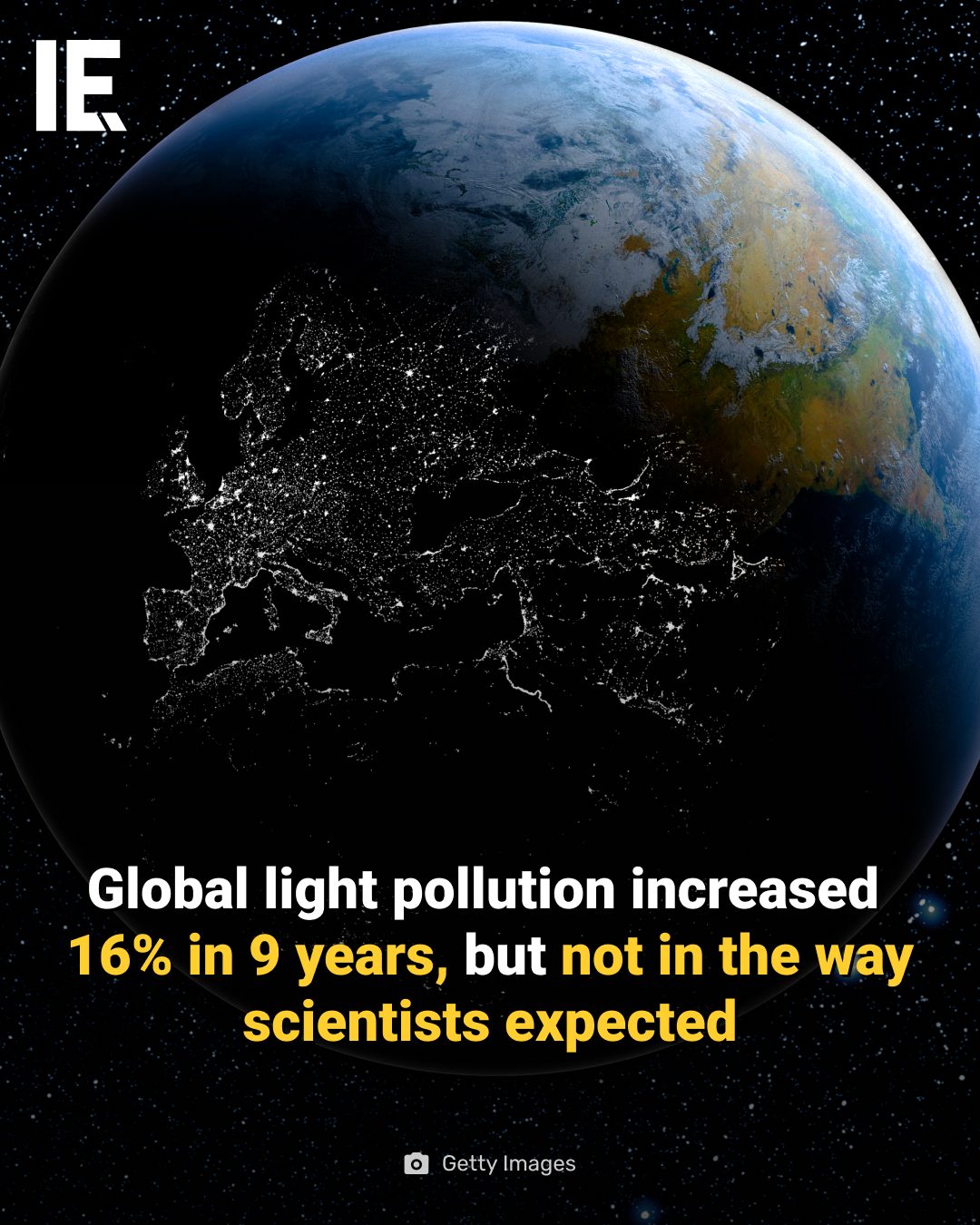
Light pollution, the excessive and harmful use of artificial light, has been increasing globally. A recent study published in Nature analyzed 1.16 million satellite images taken between 2014 and 2022, revealing a 16% net increase in artificial light emissions worldwide. This rise outpaces population growth, but the story behind this figure is far more intricate.
Why This Matters
Light pollution affects more than just our view of the night sky. It has significant impacts on ecosystems, human health, and energy consumption. Understanding the nuances of how and where light pollution is increasing or decreasing can help inform policies and practices to mitigate its effects.
The Global Picture
A 16% Increase, but Not Uniform
The 16% net increase in global light pollution might seem straightforward, but it's essential to look beneath the surface. The study found that this increase is the result of a 34% rise in light emissions in some areas, offset by an 18% dimming in others. This variability underscores that light pollution is not a uniform issue but rather a complex interplay of regional changes.
Brightening and Dimming Hotspots
Some regions have seen abrupt increases in light pollution, often linked to rapid urbanization, construction, and industrial activity. These bright spots are typically found in developing countries and areas undergoing significant economic growth. In contrast, other regions have experienced sudden dimming, often due to conflict, energy instability, or societal disruption. For instance, areas affected by political unrest or economic downturns may see reductions in light pollution as infrastructure and energy use decrease.
Remote Areas and Nature Reserves
One of the more surprising findings is that remote areas and nature reserves have largely held steady in terms of light pollution. This stability suggests that these areas are less affected by the rapid changes seen in urban and industrial zones. However, it also highlights the need for continued protection and monitoring to ensure these areas remain unaffected by light pollution.
The Role of Satellite Monitoring
The study's findings underscore the importance of high-resolution nighttime satellite monitoring. Currently, there is a significant gap in the availability and resolution of nighttime satellite data compared to daytime observations. This disparity hampers our ability to fully understand and address the complexities of light pollution. Enhancing our nighttime monitoring capabilities could provide more detailed insights and better inform global efforts to manage light pollution.
Practical Tips for Reducing Light Pollution
While the global picture of light pollution is complex, there are practical steps that individuals, communities, and governments can take to reduce its impact.
Community Initiatives
Local communities can play a crucial role in reducing light pollution. Initiatives such as "Dark Sky" programs encourage the use of shielded outdoor lighting, which directs light downward instead of upward into the sky. This simple change can significantly reduce the amount of light that contributes to pollution.
Policy and Regulation
Governments can implement policies that mandate the use of energy-efficient lighting and enforce standards for outdoor lighting. For example, some cities have adopted regulations that limit the brightness and color of outdoor lighting, particularly at night. These policies not only reduce light pollution but also save energy and lower greenhouse gas emissions.
Education and Awareness
Raising awareness about the impacts of light pollution is essential. Educational campaigns can inform the public about the environmental and health effects of excessive artificial light. When people understand the issue, they are more likely to support and engage in efforts to mitigate light pollution.
Important Takeaways
-
Light pollution is a complex global issue: The 16% net increase in light pollution is the result of varied regional changes, with some areas brightening while others dim.
-
Remote areas and nature reserves are relatively stable: These areas have largely maintained their light pollution levels, highlighting the need for continued protection.
-
Enhanced satellite monitoring is crucial: Improving nighttime satellite monitoring can provide better insights into light pollution trends and inform global efforts to manage the issue.
-
Everyone has a role to play: From community initiatives to government policies and individual actions, collective efforts can make a significant difference in reducing light pollution.
Conclusion
Light pollution is a multifaceted issue that requires a nuanced understanding and a coordinated global response. The recent study published in Nature provides valuable insights into the complexities of light pollution, challenging the assumption that the world is uniformly getting brighter at night. By addressing the underlying causes and implementing practical solutions, we can work towards a future where both urban and natural environments benefit from reduced light pollution.
Watch the Reel
Questions readers ask
What are the main drivers behind the global increase in light pollution?
The primary drivers behind the 16% global increase in light pollution since 2014 are urbanization and conflict, which cause more artificial light to be emitted and disrupt previous lighting patterns.
How does light pollution impact ecosystems and energy use?
Light pollution disrupts ecosystems by altering the behavior and habitats of wildlife, and impacts energy use by increasing electricity consumption and carbon emissions.
What are the key trends in light pollution between urban and rural areas?
Urban areas show the most significant increase in light pollution due to high levels of artificial lighting and human activity, while rural areas generally exhibit lower levels of light pollution.
What methods were used to track global light pollution trends?
The study used satellite images to track global light pollution trends by analyzing 1.16 million images from 2014 to 2022, providing a comprehensive dataset on the distribution and intensity of artificial light emissions.
How does light pollution affect human health?
Light pollution can disrupt the natural circadian rhythm, leading to sleep disorders, mood disturbances, and other health problems. It has also been linked to increased risks of certain diseases, including cancer and diabetes.
What can be done to reduce light pollution?
To reduce light pollution, we can implement targeted policies that promote energy-efficient lighting, reduce excessive lighting, and optimize lighting schedules to minimize unnecessary emissions, especially in urban areas.
Related deep dives
Similar reads based on topic and creator.




Recent articles
Fresh deep dives from the latest Reels we unpacked.




Comments
Be the first to comment.