The Impact of a Father's Childhood Experiences on His Sperm
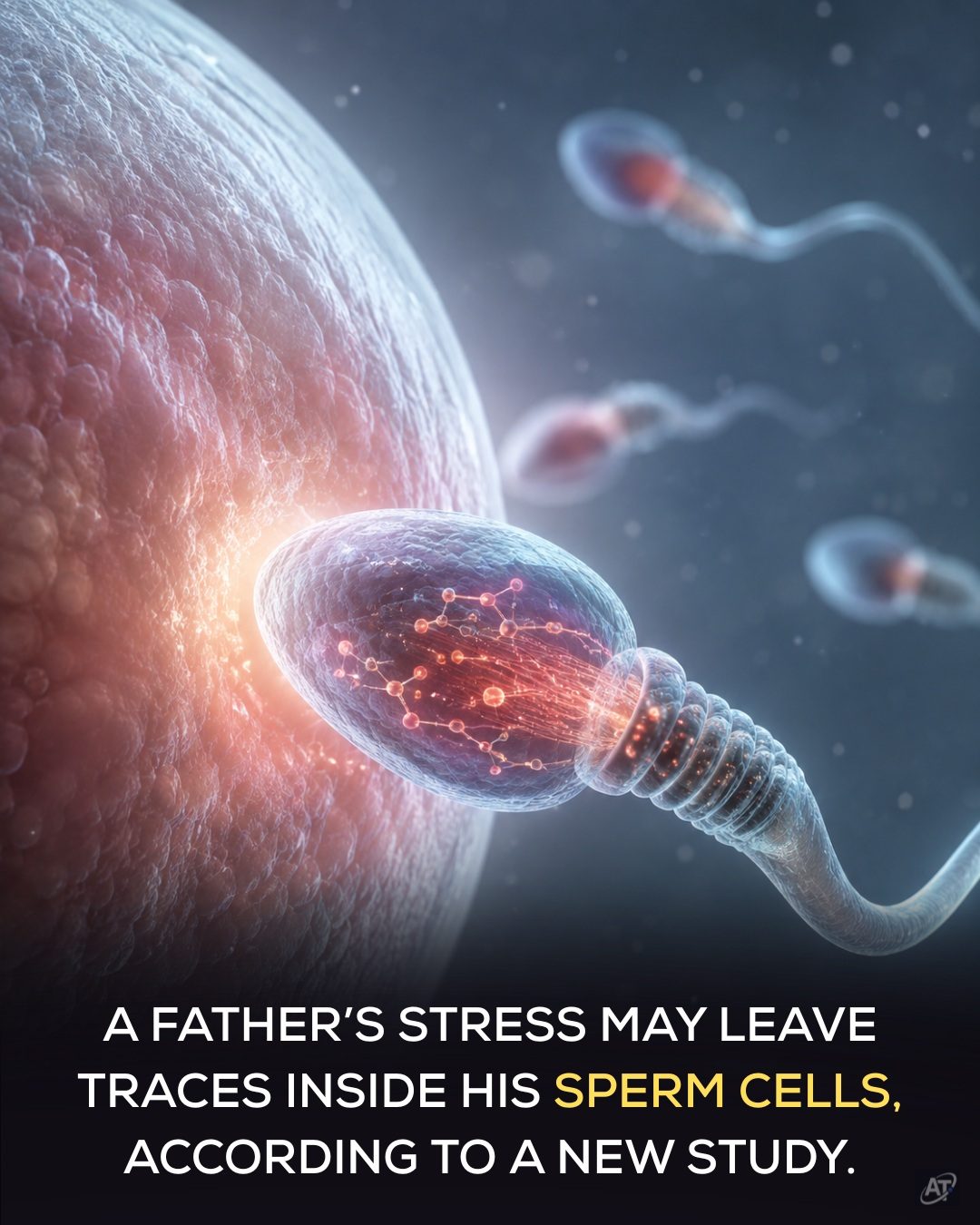
A father's childhood experiences may leave lasting molecular traces in his sperm, according to a groundbreaking 2025 study published in Molecular Psychiatry. The research, which analyzed sperm samples from fathers in Finland's FinnBrain Birth Cohort, delved into how early life experiences can influence the epigenetic landscape of sperm cells.
Why This Matters
The study's findings are significant because they offer a new perspective on the interplay between environmental factors, epigenetics, and reproduction. The results suggest that a father's past experiences, particularly childhood maltreatment, can have measurable effects on his sperm's epigenetic profile. This raises intriguing questions about the potential inheritance of these epigenetic marks and their implications for offspring.
Main Discussion
The Study and Its Methods
The researchers focused on fathers participating in the FinnBrain Birth Cohort, a longitudinal study designed to investigate the impact of prenatal and early life factors on child development. Participants were asked to complete a questionnaire that assessed various forms of childhood maltreatment, including emotional and physical abuse, neglect, and sexual abuse.
Epigenetic Changes in Sperm
The study identified differences in two forms of epigenetic regulation in the sperm of men who reported high levels of childhood maltreatment:
-
DNA Methylation: Men with greater childhood maltreatment showed lower methylation in three regions of the sperm genome. DNA methylation is a process where a methyl group is added to DNA, altering how genes are expressed without changing the underlying DNA sequence.
-
Small Noncoding RNA Molecules: The researchers also found altered levels of numerous small RNA molecules, which play a crucial role in gene regulation. Among the notable findings were differences near the genes CRTC1 and GBX2, and reduced levels of miR-34c-5p—molecular features previously linked to early development and brain biology.
Implications of the Findings
The epigenetic changes observed in the sperm of men with traumatic childhood experiences are not genetic mutations. Instead, they represent epigenetic modifications that could potentially influence how biological instructions are regulated. These modifications do not rewrite the DNA sequence but may alter how genes are expressed, affecting various biological processes.
Practical Tips
While the study does not conclusively prove that these epigenetic marks are inherited by offspring, the findings suggest several practical considerations:
Awareness and Support
For individuals who have experienced childhood maltreatment, understanding the potential long-term effects on their reproductive health can be empowering. Seeking support, whether through therapy or community resources, can help manage the emotional and psychological impacts of past experiences.
Counseling and Screening
Healthcare providers can play a crucial role in educating and supporting individuals who may be affected by these findings. Counseling and screening programs can help identify those at risk and provide the necessary interventions to mitigate potential health impacts.
Healthy Lifestyle Choices
Maintaining a healthy lifestyle, including regular exercise, a balanced diet, and stress management techniques, can support overall reproductive health. While further research is needed to understand the full extent of these epigenetic changes, adopting healthy habits can positively influence overall well-being.
Important Takeaways
The 2025 study highlights several key takeaways:
Environmental Factors Matter
The research underscores the importance of environmental factors in shaping biological outcomes. Childhood experiences, including maltreatment, can have enduring effects on sperm epigenetics, emphasizing the need for a holistic approach to understanding reproductive health.
Epigenetics and Inheritance
The findings indicate that while epigenetic changes in sperm are associated with childhood experiences, more research is needed to understand if and how these changes are inherited. The study did not track these molecular markers through fertilization and into children, making the inheritance of epigenetic marks in humans challenging to demonstrate.
Broader Implications for Reproductive Health
The study offers a new perspective on the complex interplay between a father's experiences, epigenetic regulation, and reproductive health. While the results do not prove that a father's trauma is passed to his children, they suggest that a father's health and experiences may contribute more to reproduction than DNA sequence alone.
Conclusion
The 2025 study published in Molecular Psychiatry provides valuable insights into how a father's childhood experiences can leave molecular traces in his sperm. While the research does not conclusively demonstrate the inheritance of these epigenetic marks, it opens the door to further exploration of the environmental and epigenetic factors influencing reproductive health.
Understanding these mechanisms can inform future research and guide healthcare providers in supporting individuals with a history of childhood maltreatment. By recognizing the potential long-term effects of early life experiences, we can work towards better health outcomes for both fathers and their children.
Watch the Reel
Questions readers ask
How does childhood stress affect a father's sperm?
Childhood stress can leave epigenetic marks on a father's sperm. These marks are molecular changes that can alter how genes are expressed. The new study found that early life experiences, particularly maltreatment, can influence the molecular makeup of sperm.
What are epigenetic marks and how do they form?
Epigenetic marks are chemical modifications that occur on DNA or histone proteins, influencing gene expression without changing the underlying DNA sequence. In the context of this study, they form in response to a father's early life experiences, particularly stressful or traumatic events.
Can a father's childhood experiences influence his offspring's health?
The study suggests that a father's childhood experiences can potentially affect his offspring's health. This is because the epigenetic marks on his sperm may be passed down to his children, potentially influencing their development and health.
What is the significance of the FinnBrain Birth Cohort in this study?
The FinnBrain Birth Cohort is a large-scale study that provided the sperm samples analyzed in this research. It allowed researchers to examine the effects of a father's early life experiences on his sperm's epigenetic profile, providing valuable insights into the interplay between environmental factors and reproduction.
Are the findings of this study specific to certain types of stress?
The study highlights that childhood maltreatment, a severe form of stress, can have measurable effects on a father's sperm. While the research focused on this type of stress, other forms of early life stress could potentially have similar effects, which may warrant further investigation.
What are the implications of this research for future studies on stress and reproduction?
This research opens up new avenues for investigating the intergenerational effects of stress. Future studies could explore how different types of stress impact sperm, and how these epigenetic changes may influence offspring health.
How might these findings influence understanding of sperm health?
These findings suggest that sperm health is not solely determined by current lifestyle factors, but can also be influenced by a man's early life experiences. This underscores the importance of considering a broader range of factors when assessing and supporting sperm health.
Related deep dives
Similar reads based on topic and creator.




Recent articles
Fresh deep dives from the latest Reels we unpacked.




Comments
Be the first to comment.