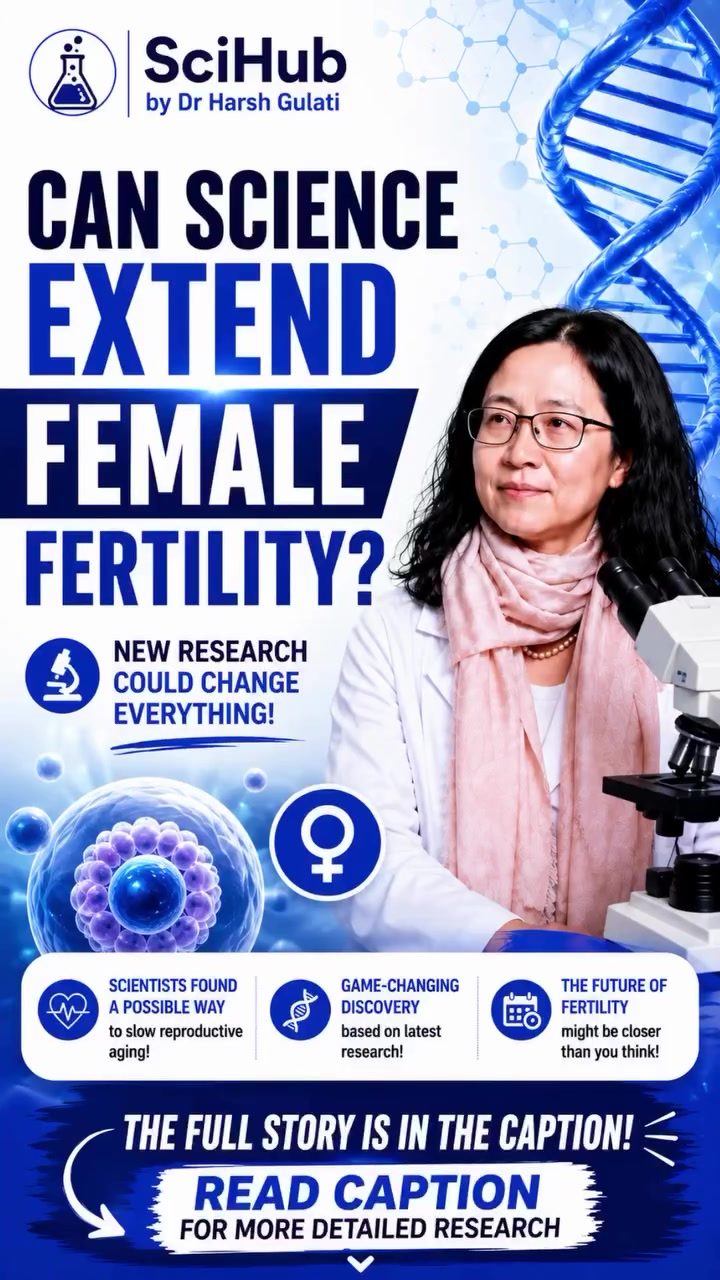
Can Science Really Extend Female Fertility?
The idea of extending female fertility has captured global attention, thanks to recent research exploring whether slowing ovulation could delay ovarian aging. This groundbreaking study, led by Prof. Hongmei Wang, delves into the possibility of preserving fertility for a longer period, addressing a critical aspect of women's health.
Context: Why This Matters
Female fertility is intrinsically linked to ovarian aging, a natural process that depletes the finite number of eggs (ovarian reserve) a woman is born with. As this reserve declines, so does fertility, making the quest to extend reproductive lifespan a pivotal area of scientific inquiry. The implications are vast, affecting women planning late pregnancies, cancer survivors undergoing fertility preservation, and those with premature ovarian insufficiency (POI).
Understanding the Research
The Concept of Ovarian Aging
Ovarian aging is a complex biological process influenced by various factors, including ovulation. Each ovulation cycle reduces the ovarian reserve, accelerating the decline in fertility. Researchers are investigating if reducing the frequency of ovulation could extend the reproductive lifespan by preserving ovarian follicles.
Current Findings
Animal studies have yielded promising results, showing that slowing ovarian aging is feasible. Scientists are also exploring innovative approaches, such as stem cell-based methods, to protect ovarian function. However, it's essential to note that no clinically approved treatments are currently available to extend female fertility in humans.
Challenges and Considerations
The primary challenge lies in the intricate relationship between ovulation and estrogen production. Estrogen is crucial for bone health, heart health, brain function, and blood vessel health. Any therapeutic intervention must preserve these vital functions while effectively delaying ovarian aging. This makes the task far more complex than simply halting ovulation.
Practical Tips
For Women Planning Late Pregnancies
If you are planning to have children later in life, staying informed about the latest research in reproductive aging can be beneficial. Consulting with healthcare providers specializing in fertility can help you understand your options and make informed decisions.
For Cancer Survivors
Cancer treatments often affect fertility. Engaging with fertility preservation options before starting treatment is crucial. This may include freezing eggs or embryos, which can be used later if needed. Staying updated with advancements in fertility research can also provide additional hope and options.
For Those with Premature Ovarian Insufficiency (POI)
POI affects fertility and overall health. Maintaining a healthy lifestyle, including a balanced diet and regular exercise, can support overall well-being. Consulting with specialists in reproductive health can provide tailored advice and support.
Important Takeaways
The Promise of Stem Cell Research
Stem cell-based approaches offer a glimmer of hope in the quest to extend female fertility. These cells have the potential to regenerate ovarian tissue, providing a new avenue for preserving fertility.
The Role of Hormonal Balance
Understanding the intricate balance of hormones, particularly estrogen, is crucial. Any intervention aimed at extending fertility must ensure that it does not compromise overall health.
The Need for Continued Research
The field of reproductive aging is still in its nascent stages. Continued research and clinical trials are necessary to develop safe and effective treatments that can extend female fertility.
Conclusion
The possibility of extending female fertility through scientific research offers a beacon of hope for many women. While the journey is fraught with challenges, the ongoing efforts by researchers like Prof. Hongmei Wang bring us closer to a future where women can have greater control over their reproductive health. As this area of science continues to evolve, staying informed and engaged can provide valuable insights and options for those navigating the complexities of fertility.
Watch the Reel
Questions readers ask
What is the primary goal of the recent research on female fertility?
The primary goal is to explore whether slowing ovulation can delay ovarian aging. This could potentially extend the window for female fertility, benefiting women who plan to have children later in life, cancer survivors, or those experiencing premature ovarian insufficiency.
How does ovarian aging affect female fertility?
Ovarian aging is a natural process that gradually depletes the number of eggs a woman has, leading to a decline in fertility. This process is a key factor in determining the reproductive lifespan of women.
Who is leading the research on delaying ovarian aging?
The research is being led by Prof. Hongmei Wang. Their work focuses on understanding how slowing ovulation could extend the period of female fertility, offering new avenues for reproductive health.
What are the potential benefits of extending female fertility?
Extending female fertility could significantly impact women planning late pregnancies, allowing them more time to consider having children. It also offers hope for cancer survivors and those with premature ovarian insufficiency, providing them with more reproductive options.
What is the significance of the ovarian reserve in female fertility?
The ovarian reserve refers to the finite number of eggs a woman is born with. As this reserve declines with age, so does fertility. Research aimed at preserving this reserve is crucial for extending reproductive capabilities.
How does premature ovarian insufficiency impact fertility?
Premature ovarian insufficiency occurs when the ovaries stop functioning normally before the age of 40, leading to a decline in fertility. This condition can significantly affect a woman's ability to conceive, making fertility preservation research especially relevant.
What are the implications of the research for future fertility treatments?
The research on slowing ovulation to delay ovarian aging could lead to new fertility treatments. These treatments could provide more options for women looking to preserve their reproductive capabilities, especially those facing challenges due to age or medical conditions.
Related deep dives
Similar reads based on topic and creator.



Recent articles
Fresh deep dives from the latest Reels we unpacked.




Comments
Be the first to comment.