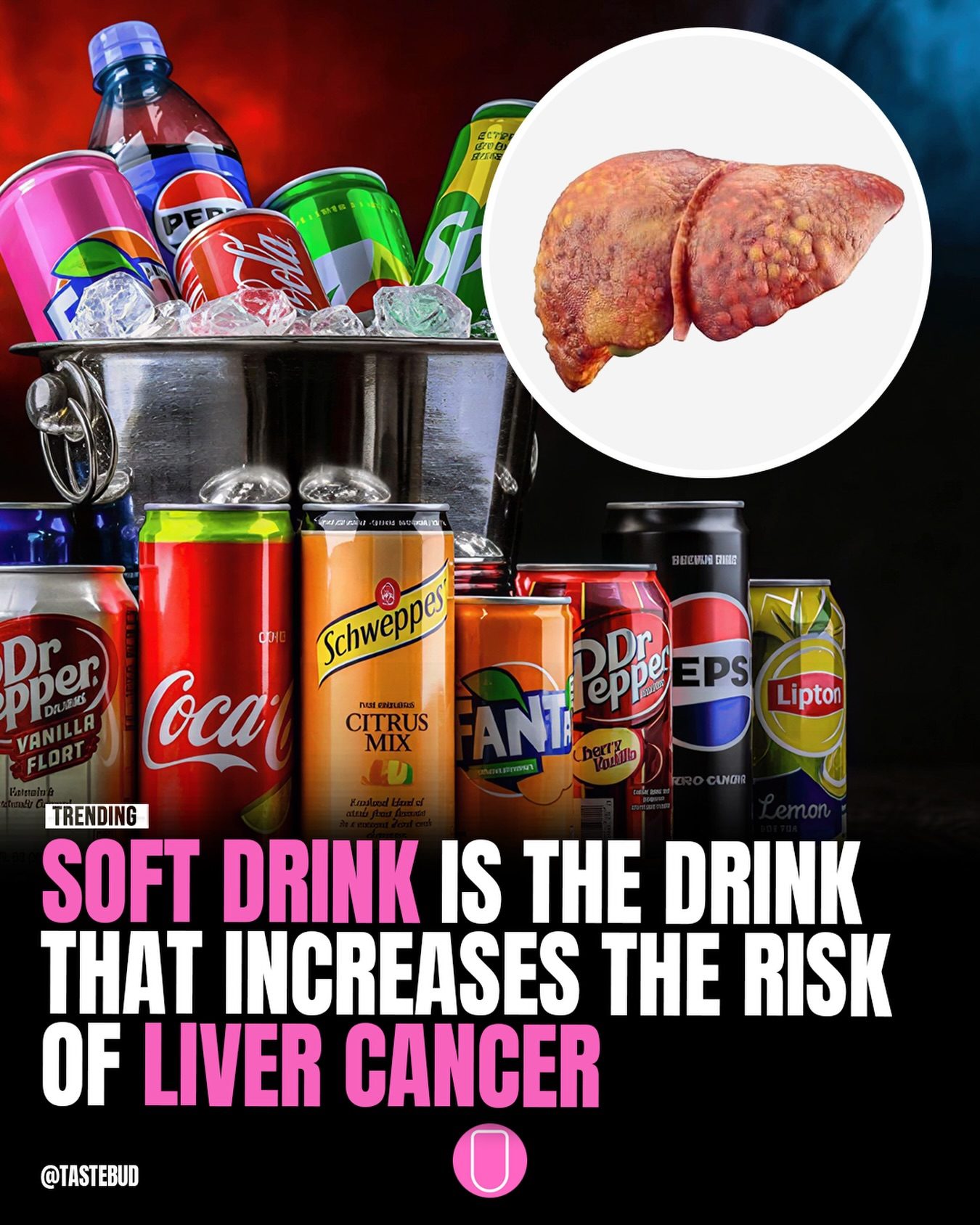
Soft Drinks and Liver Cancer: What You Need to Know
Soft drinks are a staple in many people's diets, but new research suggests that frequent consumption of these sugary beverages may be linked to a higher risk of liver cancer. Understanding this connection is crucial for making informed choices about your diet and overall health.
Why This Matters
The liver is a vital organ responsible for processing nutrients, filtering toxins, and maintaining overall health. High sugar intake, particularly from soft drinks, can place a significant burden on the liver. Studies have shown that people who regularly consume large amounts of sugary soft drinks may face an increased risk of liver cancer compared to those who rarely consume them. This is a concerning trend that warrants closer examination.
The Role of Sugar in Liver Function
To understand the connection between soft drinks and liver cancer, it's essential to look at how the body processes sugar, especially fructose. Fructose is a type of sugar commonly found in soft drinks and other sweetened beverages. When consumed in excess, fructose is metabolized primarily in the liver. This process can lead to the buildup of fat in the liver, a condition known as hepatic steatosis, and inflammation, both of which can contribute to the development of liver cancer.
Fructose Metabolism and Liver Health
When you consume fructose, your liver converts it into energy. However, excessive fructose intake can overload the liver, leading to the production of triglycerides, which are a type of fat. Over time, this can result in a fatty liver, a condition that increases the risk of various liver diseases, including liver cancer.
Inflammation and Liver Damage
Inflammation is another critical factor in the link between sugary soft drinks and liver cancer. Chronic inflammation in the liver can damage liver cells and increase the risk of developing cancer. Excessive sugar intake, particularly from soft drinks, can contribute to a state of chronic inflammation, further exacerbating the risk.
Popular Soft Drinks and Their Impact
While the specific brands mentioned in the reel — Dr Pepper, Coca-Cola, Schweppes, and Fanta — are not inherently more dangerous than others, they provide a visual reminder of the types of beverages that fall into the sugary soft drink category. It's important to note that any beverage high in added sugars can have similar effects on the liver.
How to Mitigate the Risks
Given the potential risks associated with frequent consumption of sugary soft drinks, health experts recommend several practical steps to support long-term health.
Limit Consumption
Reducing the intake of sugary beverages is one of the most effective ways to mitigate the risks. Opt for healthier alternatives like water, unsweetened tea, or low-sugar beverages.
Choose Lower-Sugar Options
When opting for soft drinks, look for lower-sugar alternatives. Many beverage manufacturers now offer reduced-sugar or sugar-free versions of popular drinks. However, it is important to consider whether these options have other potential health risks, such as containing artificial sweeteners.
Opt for a Balanced Diet
Incorporating a balanced diet rich in fruits, vegetables, lean proteins, and whole grains can help reduce the overall intake of added sugars and support liver health. A diet focused on whole foods can also provide essential nutrients that support liver function and overall health.
Practical Tips for Reducing Soft Drink Consumption
Making changes to your diet doesn't have to be overwhelming. Here are some practical tips to help you reduce your soft drink intake:
Gradual Reduction
If you currently consume a lot of sugary soft drinks, try to gradually reduce your intake. For example, cut down by one drink per week until you reach your desired level of consumption.
Hydrate with Water
Water is the best alternative to sugary soft drinks. Aim to drink at least 8 glasses of water a day. You can also add slices of fruit or herbs to your water for added flavor.
Experiment with Low-Sugar Alternatives
There are many low-sugar or sugar-free beverage options available. Experiment with different brands and flavors to find one that you enjoy.
Important Takeaways
The connection between frequent consumption of sugary soft drinks and an increased risk of liver cancer is a significant health concern. By understanding the role of sugar in liver function and taking practical steps to reduce your intake, you can support long-term health and mitigate potential risks.
Conclusion
While soft drinks can be a convenient and enjoyable beverage, it's crucial to be aware of the potential health risks associated with their consumption. By limiting your intake, choosing lower-sugar options, and maintaining a balanced diet, you can support liver health and reduce the risk of liver cancer. Making informed choices about your diet is an essential step in maintaining overall health and well-being.
Watch the Reel
Questions readers ask
How does fructose in soft drinks contribute to liver cancer risk?
Fructose is a type of sugar that is metabolized primarily by the liver. A high intake of fructose, often found in large amounts in sugary soft drinks, can overwhelm the liver, leading to inflammation and potentially increasing the risk of liver cancer. This process can also contribute to other health issues, such as fatty liver disease.
What are some alternatives to sugary soft drinks?
To reduce the risk associated with high sugar intake, consider alternatives like water, unsweetened tea, or sparkling water with a squeeze of lime or lemon. These beverages can help maintain hydration without the added sugars and potential health risks.
Can reducing sugary drink consumption lower liver cancer risk?
While more research is needed, studies suggest that reducing the intake of sugary soft drinks can contribute to better overall liver health. This may help lower the risk of liver cancer and other related health issues by reducing the liver's workload and inflammation.
What other factors contribute to liver cancer risk besides sugary drinks?
Besides sugary drinks, other factors that can contribute to liver cancer risk include excessive alcohol consumption, obesity, hepatitis B and C infections, and smoking. Maintaining a balanced diet, regular exercise, and avoiding these risk factors can help support liver health.
How much sugar is typically found in soft drinks?
A single 12-ounce can of regular soft drink can contain up to 39 grams of added sugar. According to the World Health Organization (WHO), added sugars should make up less than 10% of a person's daily calorie intake. This means a person would need to consume a balanced diet, and it should be taken into account that a can of soft drink could exceed the recommended daily sugar intake.
What are the symptoms of liver cancer to be aware of?
Some symptoms of liver cancer can include abdominal pain, unexplained weight loss, loss of appetite, fatigue, nausea, and jaundice (yellowing of the skin and eyes). If you experience any of these symptoms, it's important to consult with a healthcare professional for proper assessment and guidance.
Related deep dives
Similar reads based on topic and creator.



Recent articles
Fresh deep dives from the latest Reels we unpacked.




Comments
Be the first to comment.