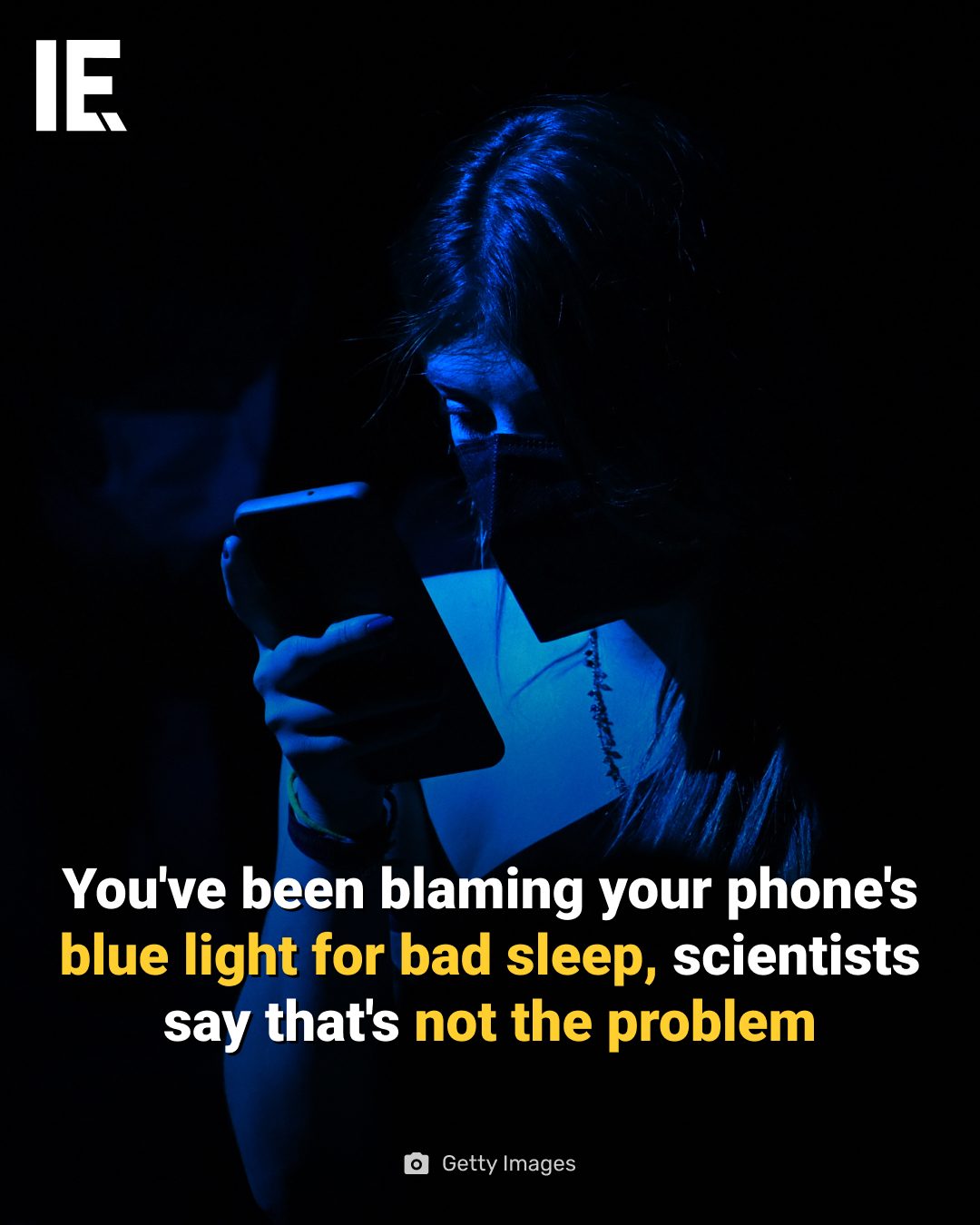
Smartphone Blue Light and Sleep Problems
Blue light filters, night mode settings, and tinted glasses have been widely promoted as solutions to screen-induced sleep problems for over a decade. However, recent research suggests that the issue is more complex than initially thought. Understanding the nuances of this topic can provide clarity on how to manage sleep effectively in our tech-driven world.
Why This Matters
The modern world is inseparable from technology, and smartphones are a significant part of daily life. The average person spends hours each day on their smartphone, which has led to widespread concern about the impact of blue light on sleep. However, recent studies indicate that the real problem might not be the blue light itself. This shift in understanding is crucial for anyone looking to improve their sleep quality while maintaining a healthy relationship with technology.
The Impact of Blue Light on Sleep
Understanding Blue Light
Blue light is a type of visible light with a short wavelength and high energy. It is naturally emitted by the sun and is also produced by electronic devices, including smartphones. Blue light has been linked to various health issues, including eye strain and disrupted sleep patterns. The concern stems from the fact that blue light exposure, especially in the evenings, can interfere with the body's production of melatonin, a hormone that regulates sleep.
The Common Misconception
For years, it was widely believed that blue light from smartphones and other digital devices was the primary culprit behind sleep disruptions. This belief led to the development of various products and features designed to mitigate the effects of blue light. Blue light filters, night mode settings, and blue-light-blocking glasses were marketed as essential tools for preserving sleep quality.
New Research Findings
However, recent studies have challenged this notion. A review of 11 studies found that screen light delays sleep by about nine minutes at worst. Additionally, another study calculated that 24 hours of blue light from digital devices amounts to less than one minute of outdoor sun exposure. This suggests that the impact of blue light from screens on sleep is minimal.
The Real Issue
Contrast Between Day and Night
Stanford sleep researcher Jamie Zeitzer explains that the real issue is the lack of contrast between day and night in modern life. Too little bright light in the morning and too much artificial light in the evening can disrupt the body's natural circadian rhythm, which regulates sleep-wake cycles.
The Role of Content
Moreover, the content on your screen is far more likely to keep you awake at night than the light coming from it. Engaging with stimulating content, such as work emails, social media, or exciting video clips, can activate the brain and make it harder to fall asleep.
Artificial Light Exposure
Artificial light, in general, plays a significant role in disrupting sleep. The continuous exposure to artificial light, especially from electronic devices, can mislead the body into thinking it's still daytime, delaying the release of melatonin and making it harder to fall and stay asleep.
Practical Tips
Adjust Your Lighting
To improve sleep quality, consider adjusting your lighting habits. Ensure you get plenty of natural light during the day and reduce artificial light exposure in the evenings. Use dim bulbs or warm-toned lighting in your home to create a calm environment conducive to sleep.
Establish a Bedtime Routine
Establish a consistent bedtime routine that includes winding down activities. Avoid screens at least an hour before bedtime to give your brain time to relax. Instead, engage in calming activities such as reading a book, listening to soothing music, or practicing relaxation techniques like deep breathing or meditation.
Blue Light Filters
While recent studies suggest that blue light from screens is not the primary cause of sleep disruptions, using blue light filters can still be beneficial. These filters can reduce eye strain and improve overall comfort, making it easier to relax before bed.
Manage Content Intake
Be mindful of the content you consume on your screens, especially in the hours leading up to bedtime. Avoid engaging with stimulating or stressful content that can keep your mind active and make it harder to fall asleep.
Important Takeaways
The relationship between blue light and sleep is more nuanced than previously thought. While blue light from screens does have some impact, it is not the primary culprit behind sleep disruptions. The real issues lie in the lack of contrast between day and night, artificial light exposure, and the content we consume on our devices.
Conclusion
Understanding the complexities of blue light and sleep can help you make informed decisions about your technology use and sleep habits. By adjusting your lighting, establishing a bedtime routine, and being mindful of your content intake, you can improve your sleep quality and overall well-being.
Watch the Reel
Questions readers ask
What does recent research say about blue light from smartphones and sleep disruption?
Recent studies suggest that the impact of blue light from smartphones on sleep is not as straightforward as previously believed. While blue light has been linked to potential sleep interruptions, the evidence is not conclusive, indicating that other factors may also play a significant role.
Do blue light filters and night mode settings effectively prevent sleep problems?
The effectiveness of blue light filters and night mode settings is still up for debate. While they are widely promoted as solutions, recent research indicates that the issue of sleep disruption is more complex and may not be solely due to blue light.
How has the understanding of blue light and sleep changed over time?
Initially, blue light from screens was thought to be a primary cause of sleep disruption, but recent research suggests that the problem is more nuanced. This shift in understanding has led to a reevaluation of the role of blue light in sleep disturbances.
What are some alternative reasons for sleep issues related to smartphone use?
Sleep problems associated with smartphone use may be influenced by factors beyond blue light, such as the content consumed, the timing of use, and the psychological effects of screen time. These aspects may contribute to sleep interruptions more significantly than blue light alone.
Is it still recommended to use blue light filters and night modes?
While blue light filters and night modes can be helpful, their effectiveness is not definitive. Users should consider a holistic approach to managing sleep, including setting boundaries on phone use, especially before bedtime, and focusing on overall sleep hygiene rather than relying solely on these settings.
How much time does the average person spend on their smartphone daily?
The average person spends several hours each day on their smartphone. This prolonged use has raised concerns about the impact of blue light on sleep, prompting further research into the relationship between screen time and sleep quality.
What are some practical tips for managing sleep in a tech-driven world?
Practical tips include setting specific times for phone use, creating a bedtime routine that does not involve screens, and ensuring a comfortable sleep environment. Additionally, being mindful of the content consumed before bed and the psychological impact of screen time can help mitigate potential sleep disruptions.
Related deep dives
Similar reads based on topic and creator.


Recent articles
Fresh deep dives from the latest Reels we unpacked.




Comments
Be the first to comment.