AI Data Centers and Local Opposition
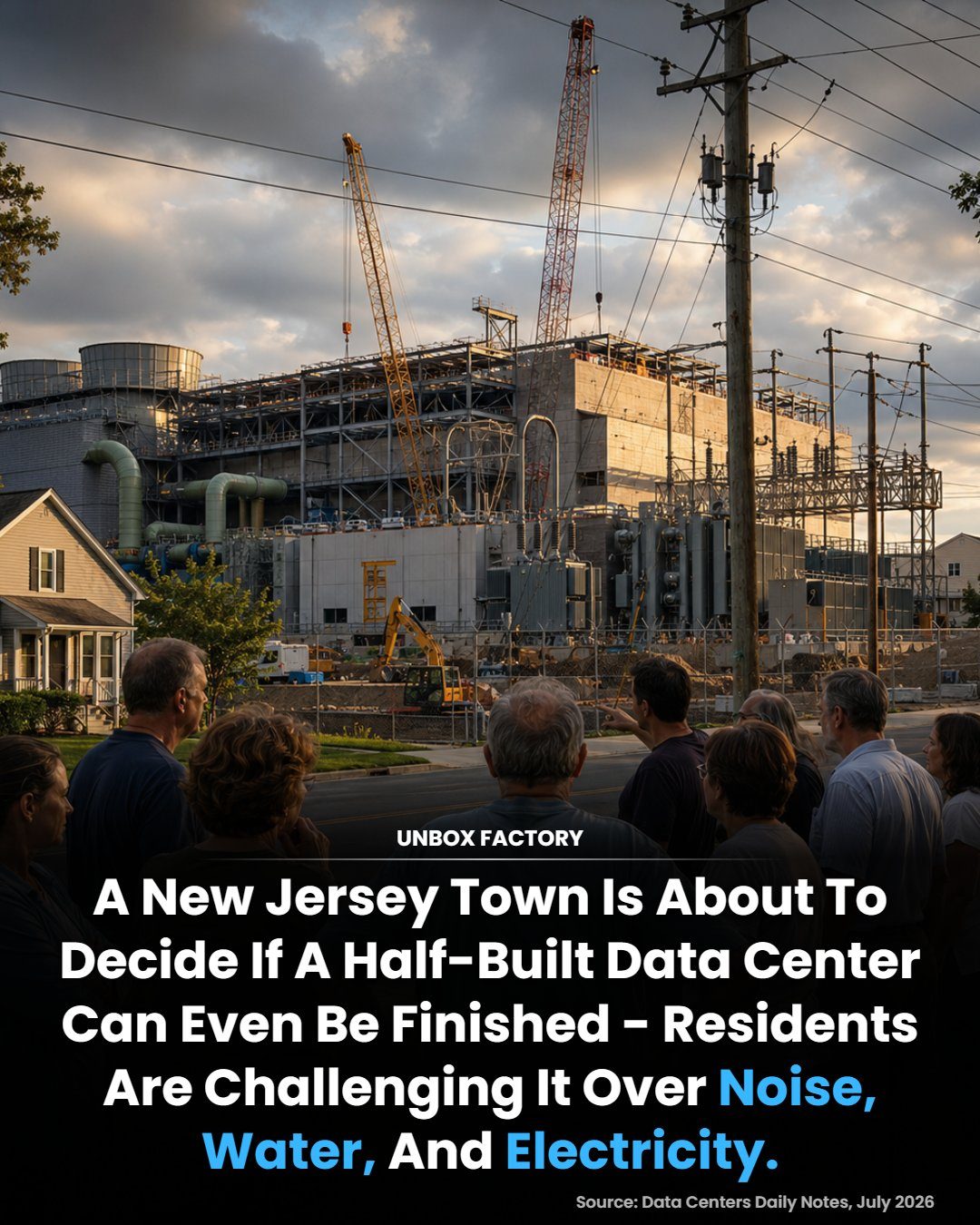
AI data centers are crucial for the infrastructure supporting artificial intelligence. Yet, their construction often faces stiff resistance from local communities. In a New Jersey town, residents are actively challenging the completion of a partially constructed AI data center. Their concerns center around increased industrial noise, significant electricity and water usage, heavy truck traffic, and the permanent alteration of their neighborhoods' character. The town is now deciding whether to proceed with the data center's completion.
This dispute reflects a broader issue across the United States. As AI infrastructure expands rapidly, communities are demanding greater oversight and accountability.
Why This Matters
AI data centers are vital for powering machine learning and data processing tasks. These facilities require immense amounts of energy and resources. Modern hyperscale AI campuses can demand between 500 megawatts to over 1 gigawatt of electricity and consume millions of gallons of water daily for cooling. This immense resource demand raises valid concerns among residents about the environmental and quality-of-life impacts of these facilities.
The Impact on Local Communities
Noise Pollution
One of the primary concerns voiced by residents is the increase in industrial noise. AI data centers operate 24/7, requiring constant cooling and power management. This results in a near-constant hum from cooling systems, generators, and other necessary equipment. For residents living nearby, this noise can disrupt sleep, affect daily activities, and even impact mental well-being. The constant hum can be especially intrusive in residential areas, where peace and quiet are highly valued.
Water and Electricity Usage
AI data centers are notorious for their high consumption of water and electricity. The cooling systems required to maintain optimal operating temperatures for servers and other equipment use vast amounts of water. In regions where water resources are already scarce, the additional demand can strain local supplies, creating potential conflicts with agricultural or residential needs. Similarly, the electricity demands of these centers can put a significant burden on the local power grid, potentially leading to higher electricity costs and increased reliance on fossil fuels.
Truck Traffic
The construction and ongoing operation of AI data centers involve frequent deliveries of equipment, supplies, and waste removal. This results in a significant increase in truck traffic, contributing to congestion, air pollution, and wear and tear on local roads. Residents in areas adjacent to these centers often see increased traffic and its associated problems, leading to frustration and quality-of-life concerns.
Alteration of Neighborhood Character
The presence of large industrial facilities can also permanently alter the character of surrounding neighborhoods. The aesthetic impact of a large, sprawling data center can be jarring, especially in areas that have traditionally been residential or rural. This change can affect property values, community dynamics, and the overall sense of place for residents.
Practical Tips for Managing Data Center Construction
Engage with the Community Early
One of the best ways to mitigate resistance and address concerns is to engage with the community early in the planning process. Transparent communication about the project's goals, benefits, and potential impacts can help build trust and understanding. Community meetings, public forums, and open houses can provide opportunities for residents to voice their concerns and receive answers directly from those involved in the project.
Conduct Comprehensive Impact Assessments
Before construction begins, it is essential to conduct thorough impact assessments to understand the potential effects of the data center on the local environment and community. This includes studying noise levels, water and electricity usage, traffic patterns, and other relevant factors. Sharing these assessments with the public can demonstrate a commitment to responsible development and help manage expectations.
Implement Noise Mitigation Strategies
To address concerns about noise pollution, data center developers can implement various mitigation strategies. These include constructing soundproof barriers, using low-noise equipment, and designing cooling systems that minimize operational noise. Additionally, scheduling regular maintenance and monitoring noise levels can help ensure compliance with local regulations and community standards.
Explore Sustainable Water and Energy Solutions
To reduce the strain on local resources, data centers can explore sustainable water and energy solutions. This might involve investing in renewable energy sources, such as solar or wind power, and implementing water recycling systems. These measures can help lower operational costs in the long run and demonstrate a commitment to environmental stewardship.
Enhance Infrastructure for Truck Traffic
To minimize the impact of increased truck traffic, developers can work with local authorities to enhance infrastructure. This might involve improving road conditions, constructing new routes, or implementing traffic management systems. Additionally, scheduling deliveries during off-peak hours and using quieter, more efficient vehicles can help reduce disruption to residents.
Consider Aesthetic and Landscape Integration
To preserve the character of surrounding neighborhoods, data centers can be designed with aesthetics and landscape integration in mind. This might involve using architectural elements that blend with the local environment, planting trees and greenery around the site, and incorporating landscaped areas to create buffers between the facility and nearby residences. These efforts can help minimize the visual impact of the data center and promote a more harmonious relationship with the community.
Important Takeaways
The Need for Balanced Development
The construction of AI data centers presents a complex challenge that requires balancing technological progress with community well-being. While these facilities are essential for advancing AI, their development must be carefully managed to mitigate negative impacts on local communities.
The Value of Community Engagement
Effective community engagement is crucial for addressing concerns and fostering a sense of shared responsibility. By involving residents in the planning process and addressing their concerns, developers can build trust and support for new data centers.
The Role of Environmental and Social Impact Assessments
Comprehensive impact assessments are essential for understanding the potential effects of data center development. These assessments should be conducted early in the planning process and shared transparently with the community.
The Importance of Sustainable Practices
Incorporating sustainable practices in the design and operation of data centers can help minimize their environmental impact. This includes investing in renewable energy sources, implementing water recycling systems, and using energy-efficient equipment.
Conclusion
The dispute over the completion of an AI data center in a New Jersey town highlights the broader challenges facing the rapid expansion of AI infrastructure. While these facilities are essential for powering AI advancements, their construction and operation can have significant impacts on local communities. By engaging with residents, conducting comprehensive assessments, and implementing sustainable practices, developers can mitigate these impacts and build more harmonious relationships with the communities they serve. As AI continues to evolve and grow, addressing these challenges will be crucial for ensuring that technological progress benefits everyone.
Watch the Reel
Questions readers ask
What are the main concerns of New Jersey residents regarding the new AI data center?
Residents are primarily worried about constant industrial noise, high electricity and water usage, increased heavy truck traffic, and the permanent changes to their neighborhood's character that the data center could bring.
Why are communities across the U.S. pushing for more oversight of AI data centers?
As AI infrastructure grows rapidly, communities are demanding greater oversight and accountability to address concerns about resource usage, noise, and the impact on local neighborhoods.
What specific resources are residents concerned about with the new AI data center?
Residents are concerned about the significant electricity and water usage that the AI data center would require, as these resources are necessary for the data center's cooling and operational needs.
How does the construction of AI data centers impact local communities?
AI data centers can bring about increased noise, heavy traffic, and a change in the character of the neighborhood, as well as compete for vital resources like electricity and water.
What is the current status of the AI data center construction in the New Jersey town?
The AI data center is partially constructed, and the town is currently deciding whether to proceed with its completion amid community opposition.
What can other communities do if they face similar AI data center proposals?
Communities can follow the example of the New Jersey town by voicing their concerns, attending local meetings, and pushing for more oversight and accountability in the approval process.
What is an AI data center, and why are they important?
AI data centers are facilities that support the infrastructure needed for artificial intelligence. They are important because they power and facilitate the development of AI technologies.
Related deep dives
Similar reads based on topic and creator.



Recent articles
Fresh deep dives from the latest Reels we unpacked.




Comments
Be the first to comment.