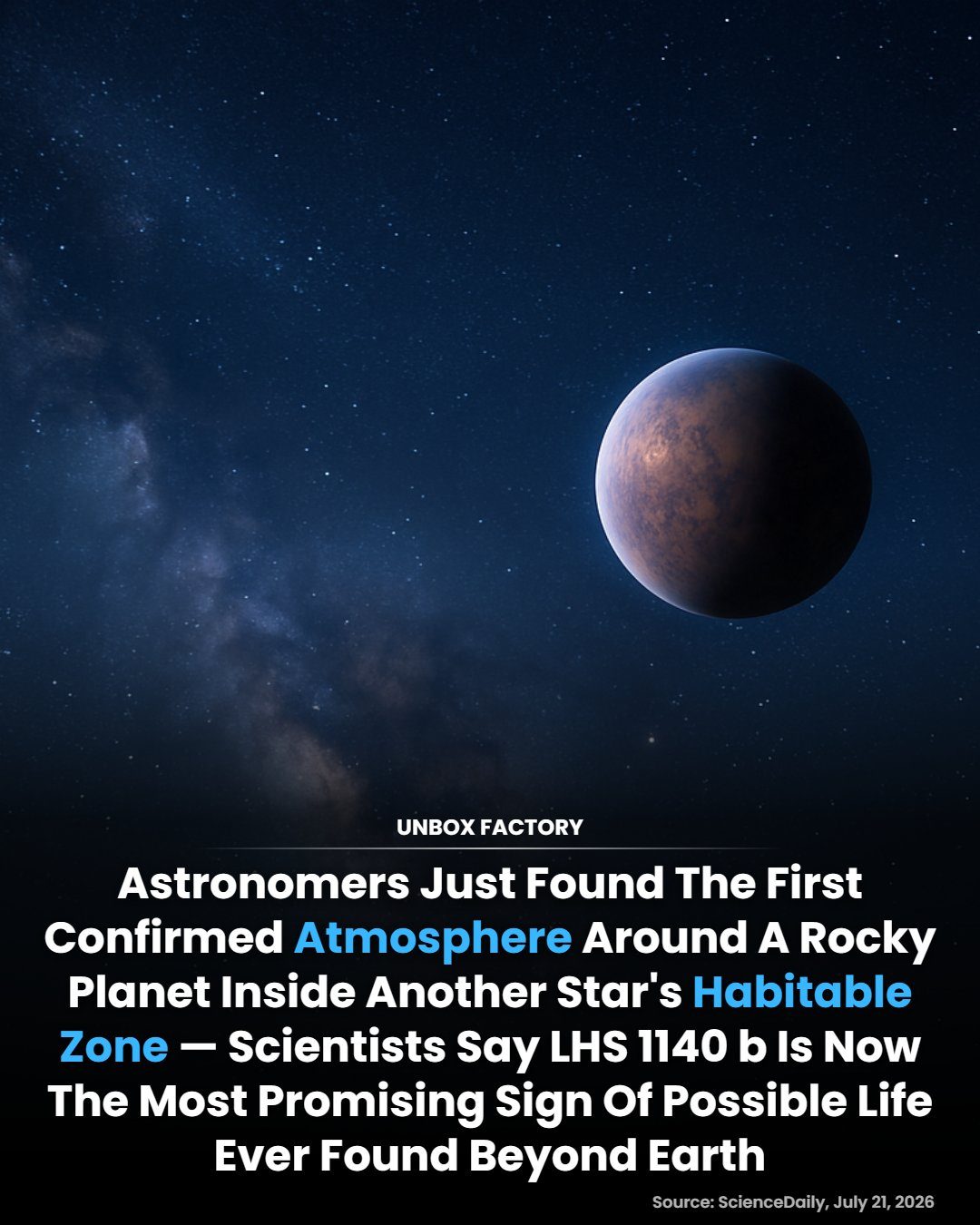
Exoplanet Discovery: LHS 1140 b and the Search for Life Beyond Earth
The recent discovery of a substantial atmosphere around the exoplanet LHS 1140 b has sparked excitement among astronomers and space enthusiasts alike. Located approximately 48 light-years from Earth, this rocky exoplanet is situated within the habitable zone of its star, making it a prime candidate in the search for extraterrestrial life.
Why This Matters
The discovery of LHS 1140 b's atmosphere is significant for several reasons. First, it is the strongest evidence yet of an atmosphere around a rocky exoplanet. Second, its location within the habitable zone suggests that temperatures could allow for liquid water to exist on its surface. Third, its size and mass make it one of the most promising targets in the hunt for life beyond our Solar System. This discovery showcases the capabilities of the James Webb Space Telescope (JWST) and paves the way for future research in exoplanet exploration.
The Discovery of LHS 1140 b
The James Webb Space Telescope (JWST)
The James Webb Space Telescope, launched in 2021, is a powerful tool for astronomers. Equipped with advanced infrared sensors, JWST can detect the faint signals from distant exoplanets, providing insights into their composition and potential habitability. The telescope's capabilities allowed scientists to confirm the presence of an atmosphere around LHS 1140 b, a breakthrough in exoplanet research.
Location and Characteristics
LHS 1140 b is located about 48 light-years from Earth, orbiting a red dwarf star. Its size and mass make it a rocky planet, similar to Earth, but with significant differences. The exoplanet is approximately 1.7 times Earth's diameter and about 5.6 times more massive. This larger size and mass suggest a stronger gravitational pull, which could help retain a thicker atmosphere.
Habitable Zone and Atmosphere
The habitable zone is the region around a star where temperatures could allow for liquid water to exist on a planet's surface. LHS 1140 b is located within this zone, making it a prime candidate for harboring life. The presence of a substantial atmosphere further enhances its potential for habitability. This atmosphere could protect the planet from harmful radiation and help maintain a stable climate, similar to Earth.
The Potential for Life
Global Ocean and Thick Atmosphere
Scientists believe that LHS 1140 b could host a global ocean beneath a thick atmosphere. This combination of water and a stable atmosphere creates conditions that are conducive to life as we know it. The global ocean could provide a vast reservoir of liquid water, essential for biological processes.
Comparative Analysis with Other Exoplanets
Several exoplanets have been discovered within the habitable zones of their stars, but LHS 1140 b stands out for several reasons. Its substantial atmosphere and larger size make it a more promising candidate for life. Other exoplanets, such as Proxima Centauri b and TRAPPIST-1e, have also garnered attention for their potential habitability, but LHS 1140 b's characteristics make it a more compelling target for further study.
The Search for Extraterrestrial Life
The search for extraterrestrial life involves identifying planets that could host conditions similar to those on Earth. LHS 1140 b's location within the habitable zone, its substantial atmosphere, and its potential for a global ocean make it a top candidate. Future missions and research will focus on gathering more data about the planet's composition, atmosphere, and potential for life.
Practical Tips for Stargazers
While the discovery of LHS 1140 b is a significant achievement, it's also an opportunity for stargazers and space enthusiasts to deepen their knowledge. Here are some practical tips for those interested in exploring the night sky and learning more about exoplanets:
-
Use Telescopes and Binoculars: While you won't be able to see LHS 1140 b with the naked eye, a good pair of binoculars or a telescope can reveal the beauty of the night sky. Look for star clusters, nebulas, and other celestial objects to enhance your appreciation for the cosmos.
-
Join Astronomy Clubs: Local astronomy clubs offer a wealth of knowledge and resources. They often host stargazing events, workshops, and lectures that can help you learn more about exoplanets and astrophysics.
-
Explore Online Resources: Websites, apps, and online courses provide a wealth of information about the universe. Platforms like NASA's website, the European Space Agency (ESA), and various astronomy blogs offer detailed articles, videos, and interactive tools to enhance your understanding.
-
Stay Updated on JWST Discoveries: The James Webb Space Telescope continues to make groundbreaking discoveries. Follow updates from NASA and ESA to stay informed about the latest findings in exoplanet research and space exploration.
Important Takeaways
The discovery of LHS 1140 b's atmosphere marks a significant milestone in the search for life beyond Earth. Its location within the habitable zone, substantial atmosphere, and potential for a global ocean make it one of the most promising targets in the quest for extraterrestrial life. Future research and technological advancements will further our understanding of this exoplanet and pave the way for more discoveries in the vast expanse of the cosmos.
Conclusion
The discovery of LHS 1140 b’s atmosphere and its potential for harboring life is a testament to the advancements in astronomical research and technology. As we continue to explore the cosmos, each new finding brings us closer to understanding the universe and our place within it. Whether you're a seasoned astronomer or a curious stargazer, the discovery of LHS 1140 b offers an exciting opportunity to delve deeper into the mysteries of the universe and the potential for life beyond Earth.
Watch the Reel
Questions readers ask
What makes LHS 1140 b a strong candidate for hosting liquid water and potentially life?
LHS 1140 b is a strong candidate due to its location within the habitable zone of its star, its substantial atmosphere, and its rocky composition. These factors suggest that it could have the right temperatures for liquid water to exist on its surface, which is crucial for life as we know it.
How far is LHS 1140 b from Earth?
LHS 1140 b is approximately 48 light-years away from Earth. This distance makes it a relatively close target for astronomers studying exoplanets and searching for signs of life beyond our solar system.
What is the significance of LHS 1140 b's atmosphere?
The discovery of a significant atmosphere around LHS 1140 b is important because it is one of the strongest indications of an atmosphere around a rocky exoplanet. This atmosphere could potentially support conditions suitable for life, making the exoplanet an exciting target for further research.
Why is the habitable zone important in the search for extraterrestrial life?
The habitable zone is the region around a star where the temperature is just right for liquid water to exist on a planet's surface. Since water is a key ingredient for life as we know it, finding exoplanets within this zone increases the likelihood of discovering life beyond Earth.
What characteristics make LHS 1140 b a compelling target for astronomers?
LHS 1140 b's size, mass, and atmospheric composition make it a compelling target. Its rocky nature and substantial atmosphere, combined with its position within the habitable zone, suggest it could harbor conditions suitable for life, making it a prime focus for astronomers.
What does the discovery of LHS 1140 b's atmosphere mean for future exoplanet studies?
The discovery of LHS 1140 b's atmosphere opens new avenues for exoplanet atmosphere studies. It provides a tangible target for further observation and analysis, helping astronomers refine their techniques and deepen their understanding of planetary atmospheres and their potential to support life.
Related deep dives
Similar reads based on topic and creator.


Recent articles
Fresh deep dives from the latest Reels we unpacked.




Comments
Be the first to comment.