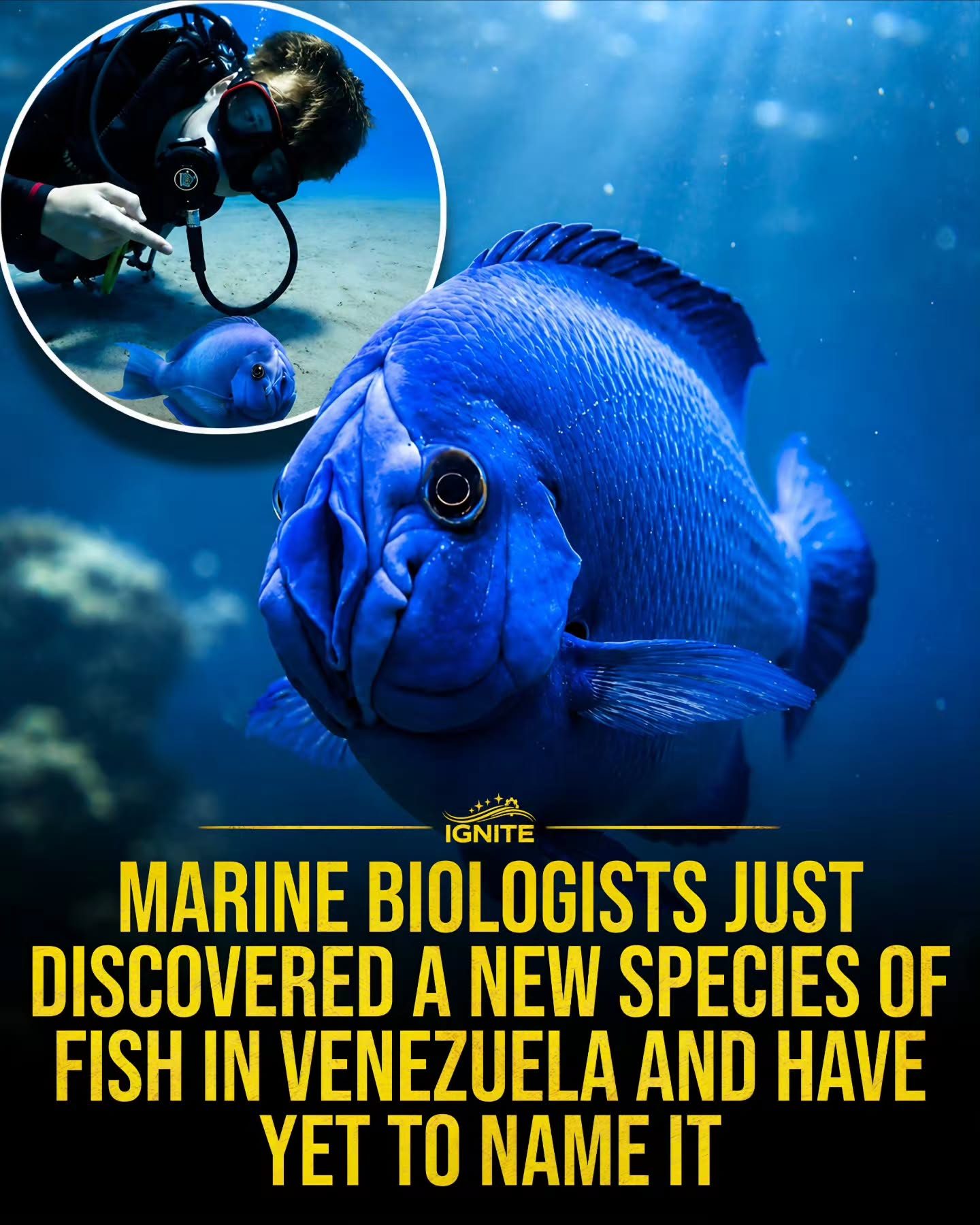
New Fish Species Discovered in Venezuela
The recent discovery of a new fish species in Venezuela has sparked excitement among marine biologists and enthusiasts alike. This vibrant blue fish, prominently featured in underwater scenes, represents a significant addition to our understanding of marine biodiversity.
Why This Matters
The discovery of new species is a testament to the vast and largely unexplored ecosystems that exist beneath the surface of our oceans. Each new species adds to our knowledge of the intricate web of life in marine environments, providing insights into evolution, ecology, and conservation efforts. The ongoing exploration and identification of these species highlight the importance of marine research and the need for continued scientific investigation.
The Discovery
A Vibrant Blue Find
The newly discovered fish is described as large and vibrantly blue, a striking addition to the diverse marine life found in Venezuela's waters. The species was spotted by marine biologists during underwater exploration, highlighting the rich biodiversity of the region. The fish's unique coloration and size make it a standout among known species, underscoring the importance of continued marine research.
The Role of Marine Biologists
Marine biologists play a crucial role in the discovery and identification of new species. Their expertise in marine ecosystems and advanced diving techniques allow them to explore and document underwater environments. The process of identifying a new species involves meticulous observation, documentation, and analysis. Researchers collect samples, take detailed measurements, and study the fish's behavior and habitat to classify it accurately.
The Naming Process
While the fish has been discovered, it remains unnamed. Naming a new species is a significant step in the scientific process and involves careful consideration. The naming process often reflects the fish's characteristics, its habitat, or honoring a notable scientist or contributor to the field. The naming of this new species will likely generate further interest and attention as researchers and the public anticipate its official designation.
Venezuela's Marine Biodiversity
A Hotspot for Marine Life
Venezuela is known for its rich marine biodiversity, making it a hotspot for new discoveries. The country's extensive coastline and diverse underwater landscapes provide a variety of habitats for marine species. From coral reefs to deep-sea trenches, Venezuela's waters are home to a plethora of unique and fascinating creatures. The discovery of this new fish species adds to the growing list of marine life found in these waters, further emphasizing the importance of conservation efforts.
Conservation Efforts
Conservation efforts are crucial for protecting marine biodiversity. As new species are discovered, it becomes increasingly important to safeguard their habitats and ensure their survival. Marine protected areas, sustainable fishing practices, and research initiatives are essential for preserving these ecosystems. The discovery of the new fish species underscores the need for continued conservation efforts to protect Venezuela's marine life.
Practical Tips for Marine Enthusiasts
Supporting Marine Research
For those interested in marine life and conservation, supporting marine research is a valuable way to contribute. Donating to scientific organizations, volunteering for conservation projects, or participating in citizen science initiatives are all effective ways to support these efforts. By getting involved, you can help marine biologists uncover more about the vast and mysterious world beneath the waves.
Responsible Marine Tourism
Exploring marine environments responsibly is another practical way to appreciate and support marine biodiversity. When diving or snorkeling, it's important to follow guidelines that minimize impact on marine life. This includes avoiding contact with coral reefs, not disturbing or feeding wildlife, and practicing responsible waste management. By being a mindful marine tourist, you can help protect these precious ecosystems for future generations.
Important Takeaways
- The discovery of a new fish species in Venezuela highlights the rich biodiversity of the region's marine environments.
- Marine biologists play a crucial role in the identification and classification of new species.
- The naming process for a new species involves careful consideration and often reflects the fish's characteristics or habitat.
- Conservation efforts are essential for protecting marine biodiversity and ensuring the survival of newly discovered species.
- Supporting marine research and responsible tourism are practical ways to contribute to marine conservation efforts.
Conclusion
The discovery of a new fish species in Venezuela is a remarkable achievement that underscores the importance of continued marine research and conservation efforts. As we learn more about the vibrant blue fish and its habitat, we gain valuable insights into the intricacies of marine ecosystems. By supporting research, practicing responsible tourism, and advocating for conservation, we can help protect the diverse and fascinating world beneath the waves.
Watch the Reel
Questions readers ask
What makes the discovery of the new blue fish species in Venezuela significant?
The discovery is significant because it highlights the rich marine biodiversity of Venezuela and the vast, unexplored ecosystems beneath the ocean's surface. Each new species adds to our knowledge of marine life and its intricate web, providing insights into evolution, ecology, and conservation efforts.
Why is ongoing ocean exploration in Venezuela important?
Ongoing ocean exploration in Venezuela is crucial for understanding and protecting marine environments. It helps identify new species, like the recent vibrant blue fish, and contributes to our knowledge of marine life. This understanding is vital for conservation efforts and maintaining the health of Venezuela's oceans.
What can divers and marine enthusiasts expect to see in Venezuela's underwater scenes?
Divers and marine enthusiasts can expect to encounter a vibrant and diverse array of marine life in Venezuela. The recent discovery of a new blue fish species is just one example of the unique and exciting underwater scenes that can be found in Venezuela's waters.
What is the Mermaid Reef and how does it relate to the discovery of the new fish species in Venezuela?
The Mermaid Reef is a popular diving site in Venezuela. While the article does not directly connect the new fish species to the Mermaid Reef, the reef's location in Venezuela's waters makes it a potential habitat for new and exciting species, highlighting the need for continued exploration in the region.
How does the discovery of new marine species in Venezuela contribute to scientific research?
The discovery of new marine species, such as the vibrant blue fish, contributes to scientific research by providing new insights into marine life, evolution, and ecology. Each new species discovered helps to build a more comprehensive understanding of Venezuela's marine ecosystems, which is essential for developing effective conservation strategies.
What are some of the challenges in exploring and understanding Venezuela's marine biodiversity?
Exploring and understanding Venezuela's marine biodiversity can be challenging due to the vast, unexplored ecosystems beneath the ocean's surface. Additionally, limited resources and access to these remote areas can make exploration and research difficult, underscoring the need for continued scientific investigation.
Where in Venezuela is the new blue fish species found?
The article mentions that the new blue fish species was found in Venezuela's waters, but it does not specify an exact location. The discovery highlights the rich marine life found throughout Venezuela's oceans, and underscores the need for continued exploration and investigation in the region.
Related deep dives
Similar reads based on topic and creator.



Recent articles
Fresh deep dives from the latest Reels we unpacked.




Comments
Be the first to comment.