Neuralink's Brain-Computer Interface: Revolutionizing Mobility for the Paralyzed
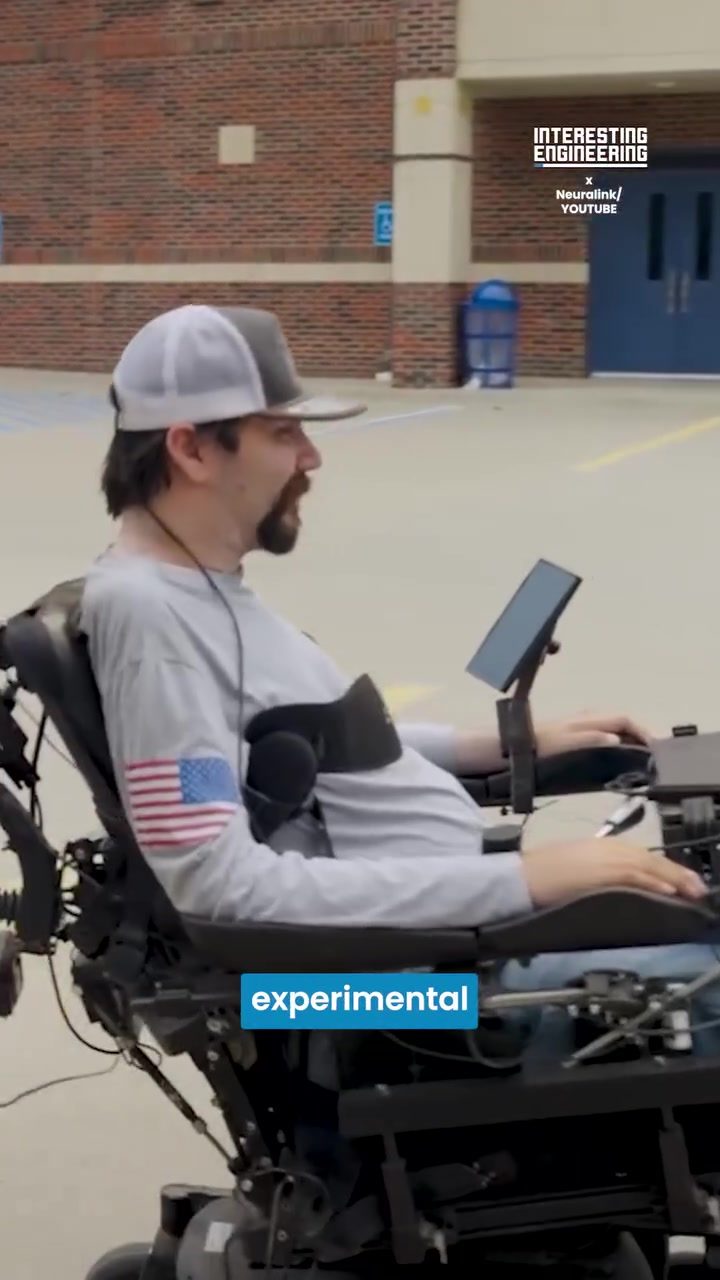
Neuralink's experimental brain-computer interface (BCI) is revolutionizing mobility for individuals with severe paralysis. By decoding neural signals from the motor cortex, this groundbreaking technology translates intended movements into commands for a powered wheelchair. The interface enables users to control the wheelchair's steering and speed using only their thoughts, offering a new level of independence and improving daily life.
Why This Matters
The development of Neuralink's BCI holds significant implications for individuals with severe paralysis. Traditional mobility aids often require physical effort, which can be challenging or impossible for those with limited mobility. Neuralink's technology addresses this issue by providing a hands-free, intuitive control system. This innovation not only enhances mobility but also has the potential to improve the overall quality of life for users.
Understanding Neuralink's Brain-Computer Interface
How It Works
Neuralink's BCI functions by interfacing directly with the brain, specifically the motor cortex. This region of the brain is responsible for voluntary movements. The device decodes neural signals from this area, interpreting them as commands for the wheelchair. These commands are then translated into steering and speed controls, allowing users to navigate their environment with ease.
The Technology Behind the Interface
The core of Neuralink's BCI is a sophisticated algorithm that decodes neural signals with high accuracy. This algorithm is trained to recognize patterns in neural activity that correspond to specific movements, such as turning left, turning right, or moving forward. The device then translates these patterns into commands that the wheelchair can execute. This seamless integration of neural signals and mechanical controls allows for intuitive and precise control.
Clinical Evaluation and Future Prospects
Currently, Neuralink's BCI is under clinical evaluation. This phase is crucial for ensuring the device's safety and effectiveness. The technology aims to restore independent mobility and enhance the daily lives of individuals with severe paralysis. As the technology advances, researchers and developers hope to expand its applications beyond mobility, potentially integrating it with other assistive technologies.
Practical Tips for Potential Users
Preparing for BCI Integration
For individuals considering Neuralink's BCI, preparation is key. It's important to discuss the procedure with healthcare providers and understand the potential benefits and risks. Initial consultations and evaluations will help determine if the technology is suitable for the individual's specific needs and conditions.
Training and Adaptation
The process of integrating the BCI into daily life involves training and adaptation. Users will need to learn how to control the device using their thoughts. This may require practice and patience, but the payoff in terms of increased independence and mobility is significant. The training process will be guided by healthcare professionals and Neuralink's support team.
Lifestyle Adjustments
Adopting Neuralink's BCI may require some lifestyle adjustments. Users will need to adapt to the new way of controlling their environment and may need to modify their living space to accommodate the technology. However, the benefits of increased mobility and independence often outweigh these initial challenges.
Important Takeaways
Empowering Independence
Neuralink's BCI offers individuals with severe paralysis a new level of independence. By enabling users to control their environment with their thoughts, the technology enhances their ability to navigate daily life and participate in activities they enjoy.
Innovative Technology
This breakthrough in BCI technology represents a significant advancement in the field of assistive devices. The ability to decode neural signals and translate them into mechanical commands opens up new possibilities for enhancing mobility and improving quality of life.
Ongoing Research and Development
As the technology continues to evolve, ongoing research and development will be crucial. Continued clinical evaluations and advancements in decoding algorithms will further improve the device's performance and expand its applications.
Conclusion
Neuralink's brain-computer interface is a game-changer for individuals with severe paralysis. By providing a hands-free, intuitive control system for powered wheelchairs, this technology restores mobility and enhances the quality of life. As the technology advances and becomes more widely available, it promises to revolutionize the way people with mobility challenges interact with their environment. The future of assistive technology looks brighter with innovations like Neuralink's BCI, offering new hope and independence to those who need it most.
Watch the Reel
Questions readers ask
How does Neuralink's BCI enable wheelchair control with thoughts?
Neuralink's BCI decodes signals from the motor cortex, the part of the brain responsible for generating voluntary movements. These signals are then translated into commands for a powered wheelchair, allowing users to control steering and speed through thought alone.
Who can benefit from Neuralink's thought-controlled wheelchair technology?
Individuals with severe paralysis who have limited or no control over their limbs can significantly benefit from this technology. It provides a hands-free alternative to traditional mobility aids, enhancing independence in daily activities.
What makes Neuralink's BCI different from other mobility aids?
Unlike traditional mobility aids that require physical effort, Neuralink's BCI uses neural signals to control the wheelchair. This makes it accessible to those with severe motor impairments, offering a more intuitive and effortless way to navigate.
What is the motor cortex and how does it factor into Neuralink's technology?
The motor cortex is the region of the brain that plans, controls, and executes voluntary movements. Neuralink's BCI focuses on decoding signals from this area to translate intended movements into commands for the wheelchair, enabling thought-based control.
What are the potential benefits of using a thought-controlled wheelchair?
Thought-controlled wheelchairs can greatly improve the quality of life for users by providing a more natural and effortless way to move. This technology can enhance independence, reduce reliance on caregivers, and offer a sense of empowerment.
What role does the brain-computer interface play in Neuralink's wheelchair control technology?
Neuralink’s BCI acts as a bridge between the brain and the wheelchair, interpreting neural signals and converting them into actionable commands. This seamless integration allows for precise and responsive control, making daily navigation more intuitive for users.
Related deep dives
Similar reads based on topic and creator.


Recent articles
Fresh deep dives from the latest Reels we unpacked.




Comments
Be the first to comment.