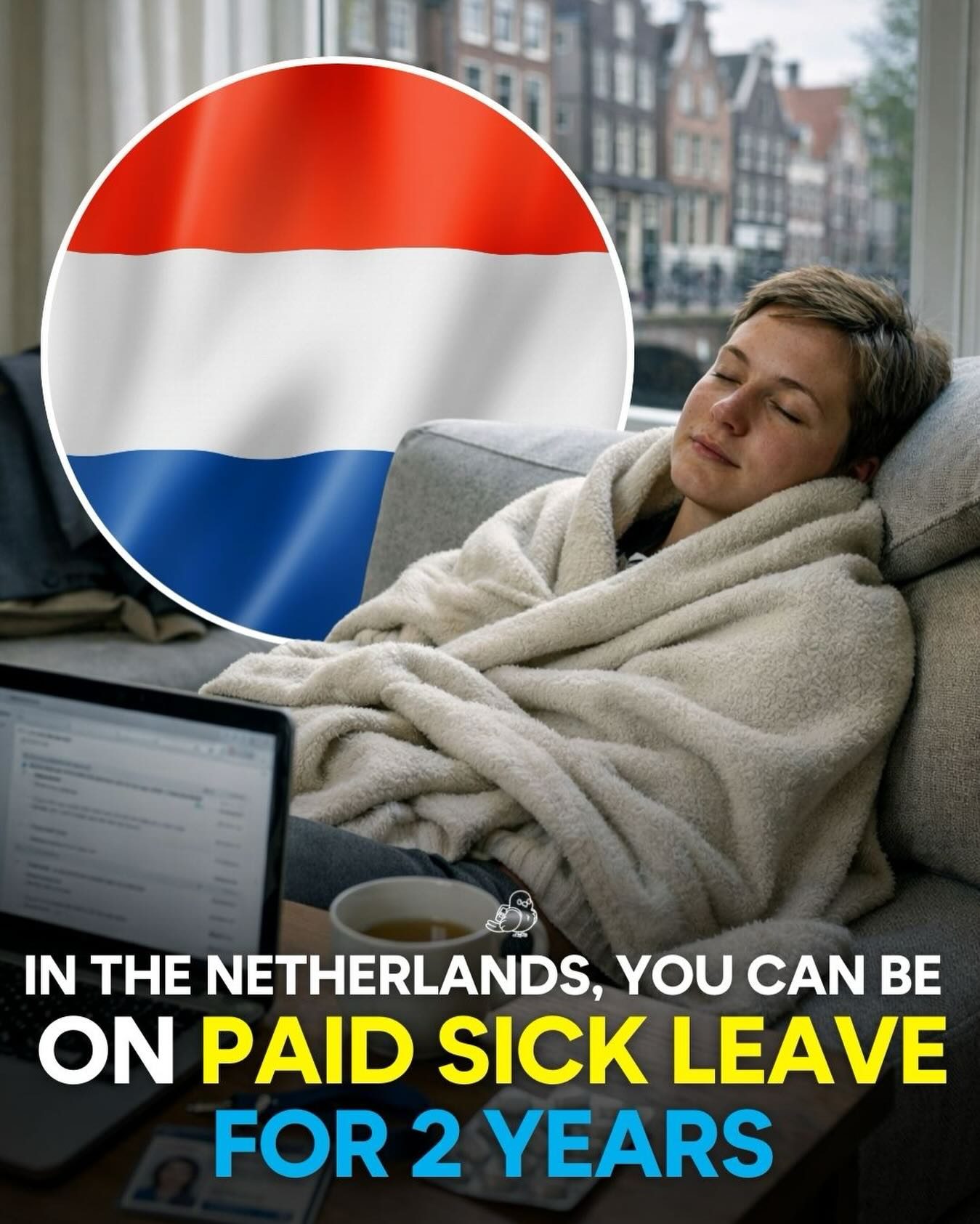
Paid Sick Leave in the Netherlands
Paid sick leave is a critical aspect of employment benefits, and the Netherlands stands out as one of the most protective countries for workers facing long-term illness. The Dutch system is designed to provide financial security while encouraging recovery and reintegration into the workforce.
Context / Why this matters
Understanding the intricacies of paid sick leave in the Netherlands is essential for both employees and employers. The system ensures that workers receive financial support during prolonged periods of illness, promoting a healthier and more secure work environment. For employers, it highlights the importance of supportive labor policies and the role of collective agreements in enhancing employee well-being.
Main discussion
Eligibility and Duration
In the Netherlands, employees in the Netherlands can be eligible for paid sick leave up to two years. This is a comprehensive period compared to many other countries. Under Dutch law, employers are required to pay at least 70% of an employee’s salary during long-term illness, which is capped at 104 weeks. This financial support is a significant relief for employees, allowing them to focus on their recovery without the added stress of financial instability.
Collective Labor Agreements
The Netherlands is known for its robust collective labor agreements, which often go beyond the legal minimum. In many cases, these agreements ensure that employees receive 100% of their salary for the first year of illness. This additional support is crucial in maintaining the standard of living and reducing the economic burden on the employee.
Reintegration Efforts
During the period of paid sick leave, both the employer and the employee must actively work on reintegration. This involves making concerted efforts to help the employee return to work as soon as it is medically feasible. Collaborative efforts might include vocational rehabilitation, flexible work arrangements, and other support mechanisms. This holistic approach underscores the Dutch commitment to not just financial support but also to the overall well-being of employees.
Long-Term Disability Benefits
After the two-year period, if an employee is still unable to work, they may qualify for long-term disability benefits under the Dutch social security system. This transition ensures that employees continue to receive support even after the paid sick leave period ends, providing a safety net for those who face prolonged or permanent disability.
Practical Tips
For Employees
- Know Your Rights: Familiarize yourself with the specifics of the Dutch sick leave policy. Understanding your entitlements can help you navigate the process more effectively.
- Communicate with Your Employer: Maintain open and honest communication with your employer about your health status and any accommodations you may need during your recovery.
- Engage in Reintegration: Actively participate in any reintegration efforts offered by your employer. This could include vocational training or flexible work schedules.
- Explore Additional Support: If you are unsure about your eligibility for long-term disability benefits, seek guidance from the Dutch social security system or a labor expert.
For Employers
- Stay Informed: Keep up-to-date with the latest regulations and collective labor agreements related to sick leave and reintegration.
- Provide Support: Offer comprehensive support to employees during their sick leave, including vocational rehabilitation and flexible work arrangements.
- Understand Long-Term Commitments: Be prepared to support employees for the full duration of their sick leave, and understand the process for transitioning to long-term disability benefits if necessary.
Important Takeaways
In the Netherlands, the paid sick leave policy is designed to provide a robust safety net for employees facing long-term illness. The combination of financial support, reintegration efforts, and potential long-term disability benefits makes it one of the most protective systems in the world. Employees benefit from financial security and supportive reintegration measures, while employers play a crucial role in facilitating these processes.
Conclusion
The Netherlands' approach to paid sick leave is a model for supporting employees during challenging health situations, offering financial stability and encouraging recovery. By understanding and leveraging the provisions available, both employees and employers can navigate the complexities of long-term illness more effectively, fostering a supportive and resilient work environment.
Watch the Reel
Questions readers ask
How long can employees in the Netherlands receive paid sick leave benefits?
Employees in the Netherlands can receive paid sick leave benefits for up to two years. This extended period is designed to provide financial support and promote recovery and reintegration into the workforce.
What percentage of salary do employers in the Netherlands have to pay during extended illness?
In the Netherlands, employers are required to pay at least 70% of an employee’s salary during extended illness. However, collective labor agreements often stipulate full pay for the first year of sickness.
What role do collective labor agreements play in sick leave benefits in the Netherlands?
Collective labor agreements in the Netherlands frequently enhance sick leave benefits by providing full pay for the first year of sickness, going beyond the statutory minimum. This fosters a more supportive work environment.
How does the Dutch paid sick leave system support job security?
The Dutch paid sick leave system supports job security by offering long-term financial support to employees. This promotes a healthier work environment and encourages employees to take the time they need to recover without fear of loss of income or job.
What is the significance of the two-year sick leave period in the Netherlands?
The two-year sick leave period in the Netherlands is significant because it provides employees with long-term financial security during illness, reducing economic pressure and enabling a better focus on recovery and eventual return to work.
Who is responsible for paying sick leave benefits during extended illness in the Netherlands?
Employers in the Netherlands are responsible for paying sick leave benefits during extended illness, with the requirement to cover at least 70% of an employee’s salary. This obligation underscores the importance of supportive labor policies in the country.
What is the minimum financial support that employees receive during long-term sickness in the Netherlands?
During long-term sickness in the Netherlands, employees receive a minimum of 70% of their salary for up to two years. This financial support ensures that employees have a steady income while they recover and prepare to return to work.
Recent articles
Fresh deep dives from the latest Reels we unpacked.




Comments
Be the first to comment.