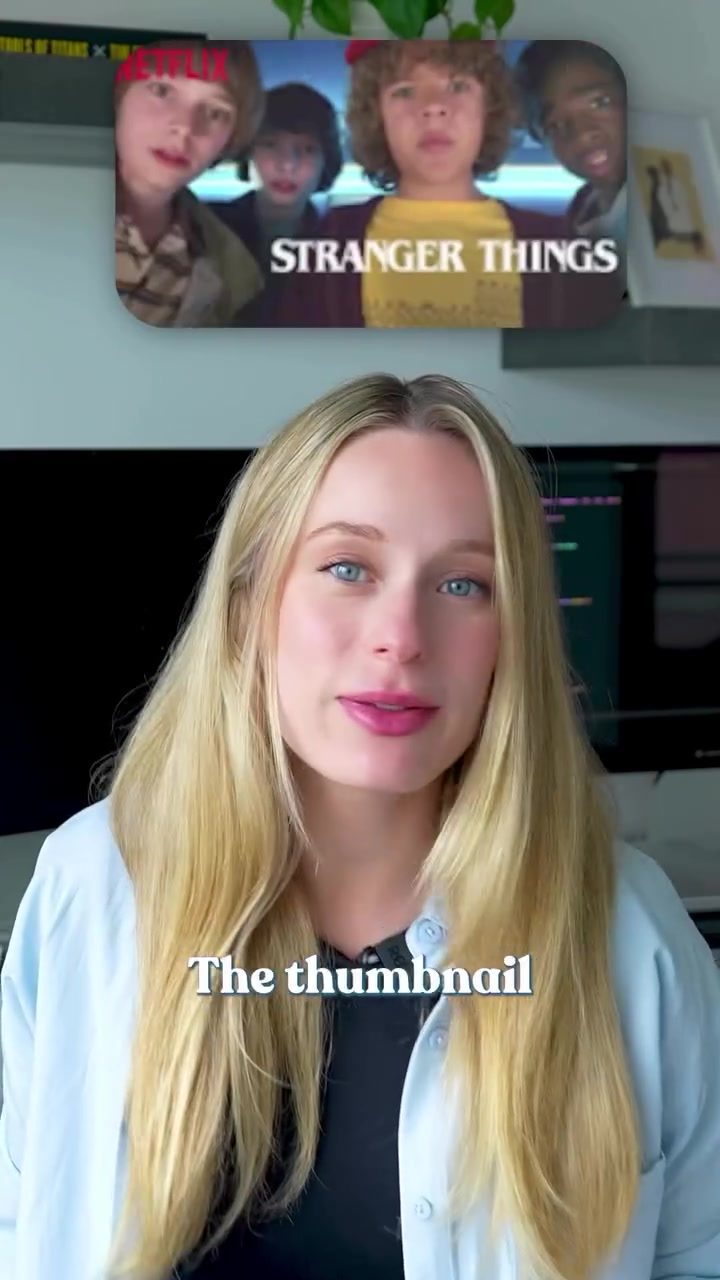
Netflix Thumbnails: The Science Behind Personalized Recommendations
Netflix thumbnails are far more than random choices. Behind the scenes, a sophisticated machine learning system calculates, personalizes, and optimizes these images to predict exactly what you will click. This process is grounded in a variety of algorithms and techniques designed to maximize engagement. Let's delve into the intricacies of how Netflix's machine learning system influences what you watch.
Why This Matters
Understanding how Netflix selects thumbnails can offer valuable insights into the broader landscape of personalized content recommendation. This information can enhance user experience and help streaming platforms refine their algorithms for better performance.
The Role of the Contextual Multi-Armed Bandit Algorithm
For every show or movie, Netflix doesn't create just one thumbnail. Instead, it generates dozens of different thumbnails, each featuring unique characters, colors, and emotional tones. To decide which thumbnail to display, Netflix employs a contextual multi-armed bandit algorithm. This type of machine learning algorithm balances two main goals: exploration and exploitation.
Exploration
Exploration involves testing new thumbnails to determine if users might like them. This step is crucial for identifying potential new preferences and keeping the content fresh. By continually exploring new options, the algorithm can uncover hidden gems that might otherwise go unnoticed.
Exploitation
Exploitation, on the other hand, involves using thumbnails that the algorithm already knows you engage with. This ensures that users are shown content they are likely to enjoy based on their past behavior. By leveraging known preferences, the algorithm can enhance user satisfaction and engagement.
Real-Time Learning and Feedback
Each time you open Netflix, the algorithm pulls in your context, including your viewing history, browsing behavior, and even subtle signals like which thumbnails you've hovered over but didn't click. Based on this context, it chooses the thumbnail with the highest predicted probability of getting you to engage. The system keeps learning in real time, a technique known as online learning.
Online Learning
Online learning is not just about trial and error. Every interaction you have with the platform becomes valuable feedback. Netflix even tracks how artwork affects completion rates, not just clicks. This ties the thumbnail selection to actual watching behavior, ensuring that the algorithm is always improving and adapting to user preferences.
The Importance of Personalization
Personalization is at the core of Netflix's strategy. The machine learning system doesn't just pick a thumbnail; it chooses one specifically tailored to your preferences. This means that the next time you scroll through Netflix, thinking you're choosing what to watch, remember that the machine learning system chose the thumbnail specifically for you before you even made your choice.
Practical Tips for Maximizing Engagement
Understand Your Preferences
Pay attention to the thumbnails you're drawn to. Notice the characters, colors, and emotional tones that tend to catch your eye. This self-awareness can help you better understand what the algorithm is picking up on and guide your content choices.
Engage with Variety
Don't be afraid to click on thumbnails that are slightly outside your usual preferences. This can give the algorithm more data to work with and potentially introduce you to new, enjoyable content.
Provide Feedback
Netflix's algorithms thrive on user feedback. The more you interact with thumbnails and provide feedback, the more accurate and personalized your recommendations will become.
Important Takeaways
- Netflix uses a contextual multi-armed bandit algorithm to select thumbnails.
- This algorithm balances exploration and exploitation to maximize engagement.
- Real-time learning and feedback are crucial for continuous improvement.
- Personalization is key to enhancing the user experience.
Conclusion
Netflix's thumbnail selection process is a complex interplay of algorithms and user data. By understanding how this system works, you can gain a deeper appreciation for the personalized content recommendations that make streaming services so compelling. The next time you see a thumbnail, remember that it's not just a random choice—it's a carefully crafted piece of art designed to capture your attention and enhance your viewing experience.
Watch the Reel
Questions readers ask
What is the primary goal of Netflix's thumbnail selection process?
The primary goal of Netflix's thumbnail selection process is to maximize user engagement by predicting which thumbnails will prompt users to click and watch. By using advanced machine learning techniques, Netflix aims to personalize the content display to match individual user preferences, ensuring a more engaging and enjoyable viewing experience.
How does Netflix use machine learning to curate personalized thumbnails?
Netflix employs a variety of machine learning techniques, including a contextual multi-armed bandit algorithm, to analyze user behavior and preferences. This algorithm helps balance exploration of new content with exploitation of known preferences, ensuring that users are exposed to both familiar and fresh content, thereby enhancing the personalization of the thumbnails.
What is a contextual multi-armed bandit algorithm and how does it work?
A contextual multi-armed bandit algorithm is a type of machine learning model that helps Netflix decide which thumbnails to display. It takes into account various contextual factors, such as user history, viewing patterns, and content metadata, to determine the best thumbnail to show. This algorithm continuously learns and adapts, aiming to optimize user engagement by balancing the exploration of new content with the exploitation of known preferences.
How does Netflix's thumbnail personalization improve the user experience?
Netflix's thumbnail personalization enhances the user experience by tailoring content recommendations to individual preferences. By showing thumbnails that are more likely to resonate with a user, Netflix increases the chances of users discovering content they will enjoy. This personalized approach reduces the time spent searching for something to watch, making the viewing experience more seamless and enjoyable.
What factors influence how Netflix chooses thumbnails for users?
Netflix considers a multitude of factors when choosing thumbnails, including user viewing history, preferences, and behavior. The machine learning algorithms analyze data points such as click rates, watch times, and user feedback to make informed decisions. Additionally, the algorithms take into account the context of the viewing situation, such as the time of day or the device being used, to further personalize the content recommendations.
Why is it important for Netflix to balance between showing new content and known preferences?
Balancing between showing new content and known preferences is crucial for maintaining user engagement and satisfaction. By exploring new content, Netflix can introduce users to diverse titles they might not have considered otherwise. Meanwhile, exploiting known preferences ensures that users are presented with content they are likely to enjoy, keeping them engaged and satisfied with the platform.
Can users influence the thumbnails they see on Netflix?
While Netflix's algorithms primarily drive the selection of thumbnails, users can indirectly influence what they see. By interacting with content, such as clicking on thumbnails, watching titles, and providing feedback, users help the algorithms learn more about their preferences. This feedback loop allows the system to refine its recommendations, making the thumbnails more aligned with individual user tastes over time.
Related deep dives
Similar reads based on topic and creator.


Recent articles
Fresh deep dives from the latest Reels we unpacked.




Comments
Be the first to comment.