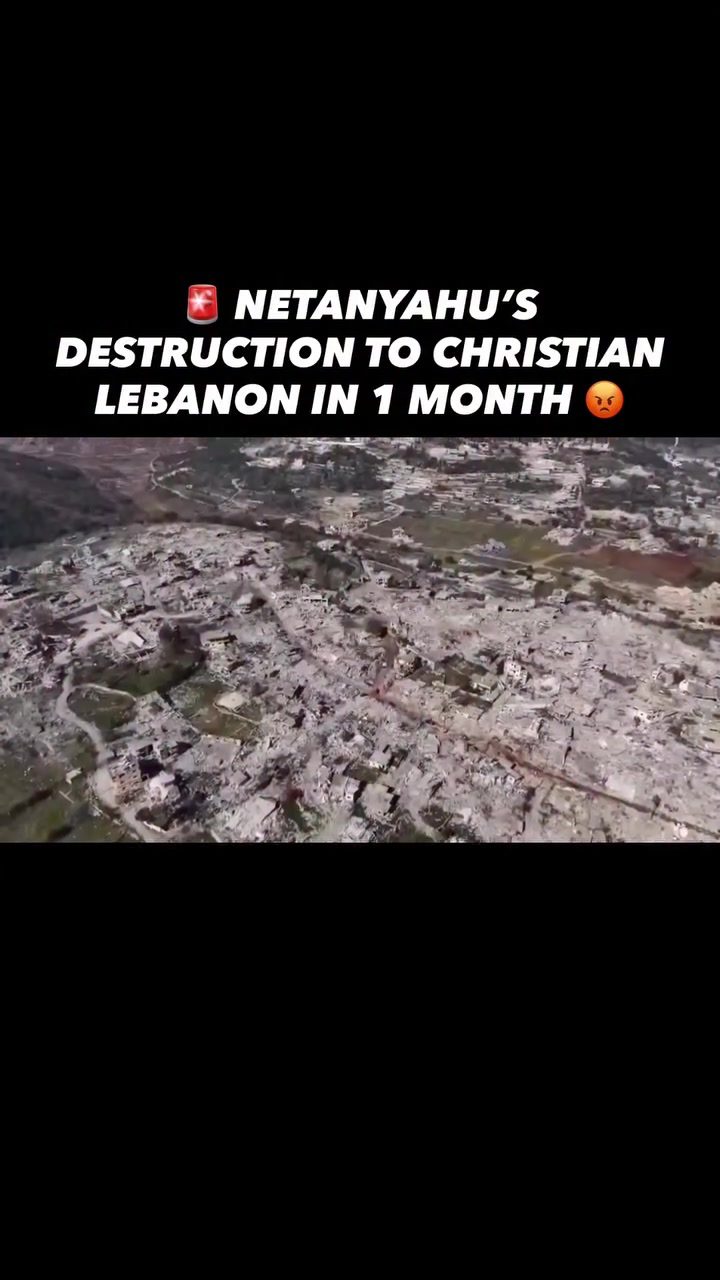
Destruction of Southern Lebanon
Southern Lebanon, a region rich in history and culture, has been a flashpoint in recent months. Christian towns and villages across the area have been devastated, leaving behind a landscape of rubble. The destruction, attributed to Israeli airstrikes, has been swift and extensive, with entire communities reduced to ruins. The targeting of Christian sites and communities highlights a troubling trend that merits closer examination.
Context / Why this matters
The destruction in Southern Lebanon is significant for several reasons. It underscores the ongoing conflict in the region and the vulnerability of civilian populations, particularly those belonging to Christian communities. The damage to homes, churches, and communal structures represents a loss of heritage and a disruption of lives that have spanned generations. The situation also highlights the broader geopolitical tensions that have been escalating in the Middle East.
Main discussion
The Impact on Christian Communities
The impact on Christian communities in Southern Lebanon has been devastating. The aerial footage reveals widespread destruction, with entire towns and villages reduced to rubble. Homes, churches, and other communal structures that have stood for generations have been obliterated. This destruction not only affects the physical infrastructure but also the cultural and spiritual fabric of these communities. Families who have lived in these areas for generations are now left to sift through the remnants of what used to be their lives.
Targeted Destruction
The destruction is not merely collateral damage—it is systematic. The targeted nature of the strikes against Christian sites suggests a deliberate strategy. With over a thousand Christian sites hit, the impact is far-reaching. The targeted approach raises questions about the motives behind these airstrikes and the broader implications for the region.
The Role of Benjamin Netanyahu
Benjamin Netanyahu, the Israeli Prime Minister, has been at the center of this controversy. Criticism suggests that Netanyahu's policies and actions have led to the destruction of Christian communities in Lebanon. The systematic destruction of these communities is seen as a targeted effort rather than an unintended consequence of broader military actions.
International Response and Silence
The international response to this destruction has been notably muted. Despite the extensive damage and loss of life, the global community has largely remained silent. This silence is a critical issue, as it allows the conflict to continue unabated. The lack of international intervention or condemnation raises questions about the international community's priorities and the value placed on the lives and heritage of Christian communities in Lebanon.
True Extent of the Damage
The aerial footage provides a stark visualization of the damage. The drone footage, which captures the extent of the destruction, shows a landscape of rubble and ruins. There is widespread devastation, with homes, churches, and other buildings reduced to piles of rubble. This footage underscores the severity of the situation and the need for immediate action.
Practical tips
While the situation in Southern Lebanon is dire, there are practical steps that can be taken to address the issues.
Support for Christian Communities
One of the most immediate steps is to provide support to the affected communities. This includes humanitarian aid, medical support, and resources for rebuild efforts. International organizations and niche NGOs can play a crucial role in this regard.
Advocacy and Awareness
Raising awareness about the situation is critical. Public advocacy and media coverage can bring attention to the plight of Christian communities in Southern Lebanon. This can lead to greater international involvement and pressure on the Israeli government to cease its targeted actions.
Diplomatic Efforts
Diplomatic efforts are also essential. Engaging in dialogue and negotiations can help de-escalate the conflict and find a lasting solution. International bodies and regional actors need to come together to address the root causes of the conflict and work towards a peaceful resolution.
Monitoring and Documentation
Documenting the destruction and its impact on Christian communities is essential. This documentation can serve as evidence and a call for action. It can also help in the rebuilding efforts by providing a clear picture of the damage and the needs of the affected communities.
Important takeaways
The destruction in Southern Lebanon is a stark reminder of the ongoing conflicts and their impact on civilian populations. The targeted destruction of Christian communities highlights the need for immediate action and support. The international community must play a more active role in addressing the situation and ensuring the safety and well-being of these communities.
Conclusion
The situation in Southern Lebanon is a pressing issue that requires urgent attention. The destruction of Christian communities and the impact on their heritage and lives are profound. It is crucial to provide support, advocate for their rights, and work towards a peaceful resolution. The international community must come together to address this crisis and ensure that the lives and heritage of these communities are protected.
Watch the Reel
Questions readers ask
Why are the Israeli airstrikes in Southern Lebanon significant?
The airstrikes are significant because they have caused widespread devastation to historic sites and Christian communities, raising concerns about the motives behind the attacks and the escalating Middle East geopolitical tensions. This destruction is part of a larger conflict that has been ongoing for years, with recent escalations causing significant damage to Lebanon's cultural and historical landscape.
What areas have been most affected by Netanyahu’s airstrikes in Lebanon?
The most affected areas are in Southern Lebanon, where Christian towns and villages have been reduced to rubble. This includes significant damage to homes, churches, and other communal structures, leaving behind a landscape of destruction.
Have there been any reports of targeted destruction in Southern Lebanon?
Yes, there have been reports of targeted destruction, particularly of Christian sites and communities. This has sparked concerns about the motives behind the attacks and the potential for further escalation of tensions in the region. The targeting of specific communities adds a layer of complexity to the ongoing conflict.
Are there any visual records of the airstrikes in Southern Lebanon?
Yes, there are visual records available, including airstrikes footage and drone footage from Southern Lebanon. These visuals provide a stark insight into the extent of the devastation, showing the scale of destruction that has occurred as a result of the airstrikes. The footage highlights the impact of the conflict on civilian populations and historic sites.
How has the destruction in Southern Lebanon impacted local communities?
The destruction has had a profound societal impact, particularly on Christian communities. Entire communities have been displaced, and the damage to homes, churches, and communal structures represents a significant loss of heritage and infrastructure. The impact extends beyond physical destruction, affecting the social fabric and daily lives of those living in the region.
What are the broader implications of the airstrikes for the Middle East?
The airstrikes have broader implications for the Middle East, contributing to the escalation of geopolitical tensions. The targeted destruction of historic sites and communities raises concerns about the stability of the region and the potential for further conflict. The situation highlights the complex dynamics at play in the Middle East and the need for resolution.
What can be done to support the affected communities in Southern Lebanon?
Support can be provided through humanitarian aid, reconstruction efforts, and international advocacy. Organizations and individuals can contribute by donating resources, providing medical and psychological support, and advocating for peace and stability in the region. It is crucial to address the immediate needs of the affected communities while also working towards long-term solutions to prevent further destruction.
Recent articles
Fresh deep dives from the latest Reels we unpacked.




Comments
Be the first to comment.