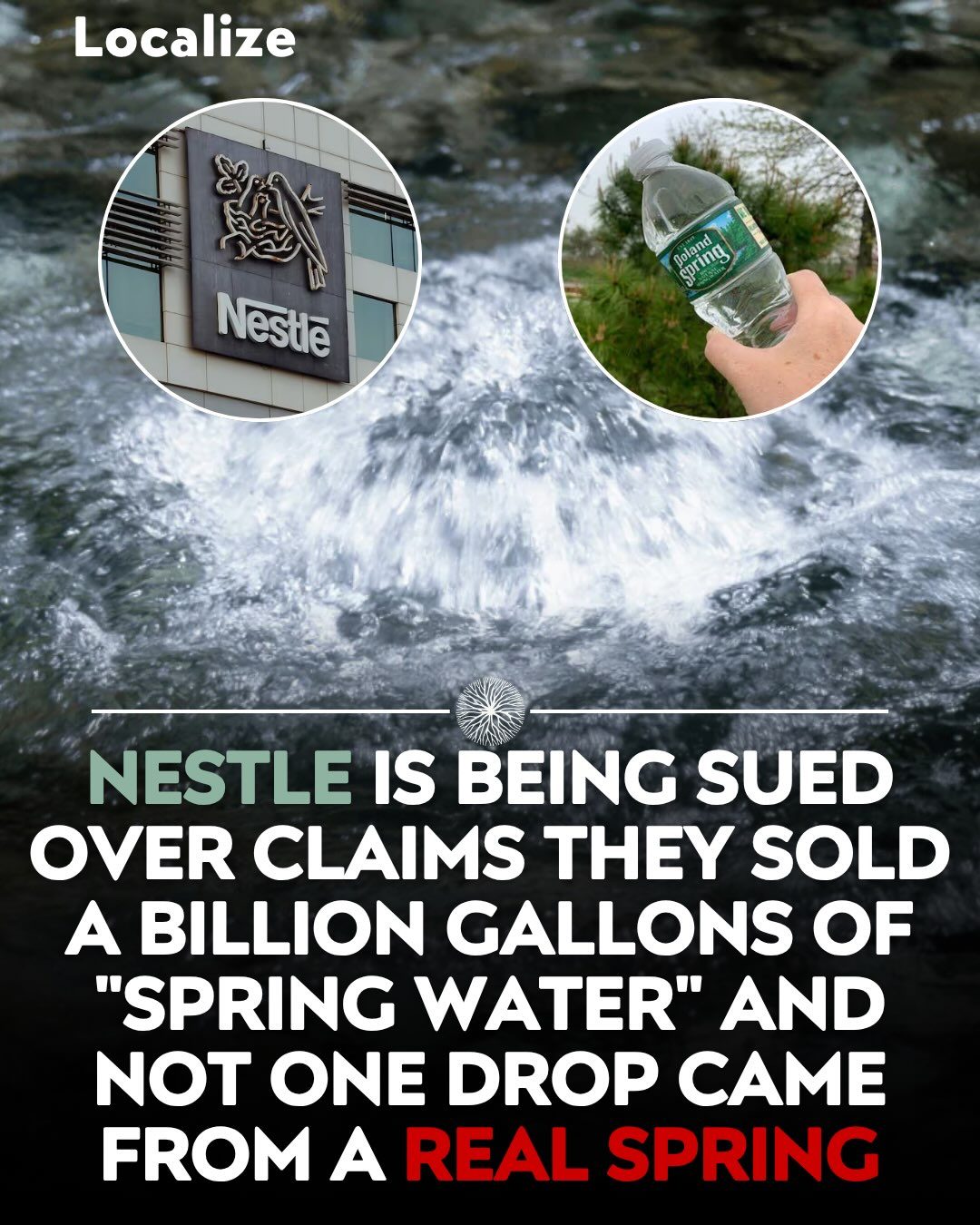
Nestle Lawsuit over Poland Spring Water Claims
The lawsuit against Nestle regarding their Poland Spring bottled water brand has brought significant attention to the labeling and sourcing of spring water. The dispute centers around allegations that Nestle misrepresented the source of their water, claiming it came from a natural spring when it actually originated from wells. This legal battle highlights the complexities surrounding water sourcing and labeling regulations.
Context: Importance of Water Sourcing and Labeling
Understanding the origin of bottled water is crucial for consumers who prioritize natural and authentic sources. The lawsuit against Nestle underscores the need for transparency in the bottled water industry. Consumers often choose spring water over other types of bottled water because they believe it comes from natural, pristine sources. However, the allegations against Nestle suggest that this trust may be misplaced in some cases.
The Lawsuit against Nestle
The federal lawsuit alleges that Poland Spring, a brand acquired by Nestle, marketed water from wells as natural spring water. The real Poland Spring in Maine reportedly ran dry decades before Nestle purchased the brand in 1992. This discrepancy has raised questions about the authenticity of Poland Spring's water sourcing and the company's commitment to transparency.
Nestle's Defense and Current Status
Nestle, through its subsidiary Primo Brands, has defended the labeling of Poland Spring water. The company claims that Poland Spring meets the legal definition of spring water, which includes water collected from underground formations. Nestle's defense hinges on the technicalities of water sourcing regulations, arguing that their water is sourced from natural underground formations, even if it doesn't come from an active spring.
The Legal Battle and Recent Developments
In January 2026, a federal judge allowed key labeling questions to continue, rather than resolving them at the dismissal stage. This decision means that the lawsuit will proceed, and the court will further examine the claims and defenses presented by both sides. The ongoing legal battle raises important questions about the regulations governing water labeling and the responsibility of companies to provide accurate information to consumers.
Allegations and Counterarguments
The allegations against Nestle focus on the discrepancy between the source of the water and the label's claims. Critics argue that the company misled consumers by labeling water from wells as spring water. In response, Primo Brands, which now owns the Poland Spring brand, insists that their product meets the legal definition of spring water, thereby justifying their labeling practices.
Public and Regulatory Response
The lawsuit has sparked public debate about the authenticity and transparency of bottled water labeling. Consumers and environmental groups are calling for stricter regulations and more transparent labeling practices in the bottled water industry. The current legal battle and the public response highlight the importance of regulatory oversight in ensuring that companies adhere to accurate and transparent labeling standards.
The Role of Localize
The Localize app plays a significant role in raising awareness about the Nestle lawsuit and the importance of knowing the source of bottled water. By providing information and resources, the app empowers consumers to make informed decisions about the water they consume. The initiative underscores the need for greater transparency and accountability in the bottled water industry.
Practical Tips for Consumers
When shopping for bottled water, it's essential to read the labels carefully. Look for specific information about the water source and any certifications that may indicate the water's authenticity. Additionally, consider using apps like Localize to verify the source of bottled water and make informed purchasing decisions.
Important Takeaways
The lawsuit against Nestle highlights the need for greater transparency and stricter regulations in the bottled water industry. Consumers should be aware of the discrepancies that can exist between labeling claims and the actual source of the water. By staying informed and using available resources, consumers can make more informed choices about the water they consume.
Conclusion
The ongoing legal battle between Nestle and the plaintiffs raises critical questions about the authenticity and transparency of bottled water labeling. As the lawsuit continues, it serves as a reminder of the importance of accurate and transparent labeling in the bottled water industry. Whether you're a consumer or an industry watchdog, staying informed about these issues can help ensure that the water you drink is truly from a natural spring.
Watch the Reel
Questions readers ask
What is the main allegation against Nestlé in the Poland Spring lawsuit?
The primary allegation is that Nestlé misled consumers by labeling Poland Spring water as originating from natural springs, when in reality, it comes from wells. This discrepancy has sparked debate about the authenticity of bottled water sources.
Why is the source of bottled water important to consumers?
Consumers often prefer bottled water from natural springs due to perceived purity and taste. Knowing the true origin of bottled water helps consumers make informed decisions and aligns with their expectations for authenticity.
What are the implications of the lawsuit for the bottled water industry?
The lawsuit highlights the need for clear and accurate labeling in the bottled water industry. It may prompt other companies to review their labeling practices and could lead to stricter regulations on how water sources are described.
How does Nestlé respond to the allegations in the lawsuit?
Nestlé has asserted that their water sourcing practices comply with all legal standards. They have also stated that the water from wells still undergoes rigorous quality testing, but the controversy has continued to grow.
What role do regulations play in the Poland Spring water lawsuit?
Regulations govern how bottled water can be labeled, but there is ongoing debate about whether current standards are sufficient. The lawsuit could influence future regulatory changes to ensure greater transparency in water sourcing and labeling.
What can consumers do to verify the authenticity of bottled water brands?
Consumers should check the labeling on bottled water products carefully. They can also research the brand's sourcing practices independently or look for third-party certifications that verify the authenticity of the water source.
Recent articles
Fresh deep dives from the latest Reels we unpacked.




Comments
Be the first to comment.