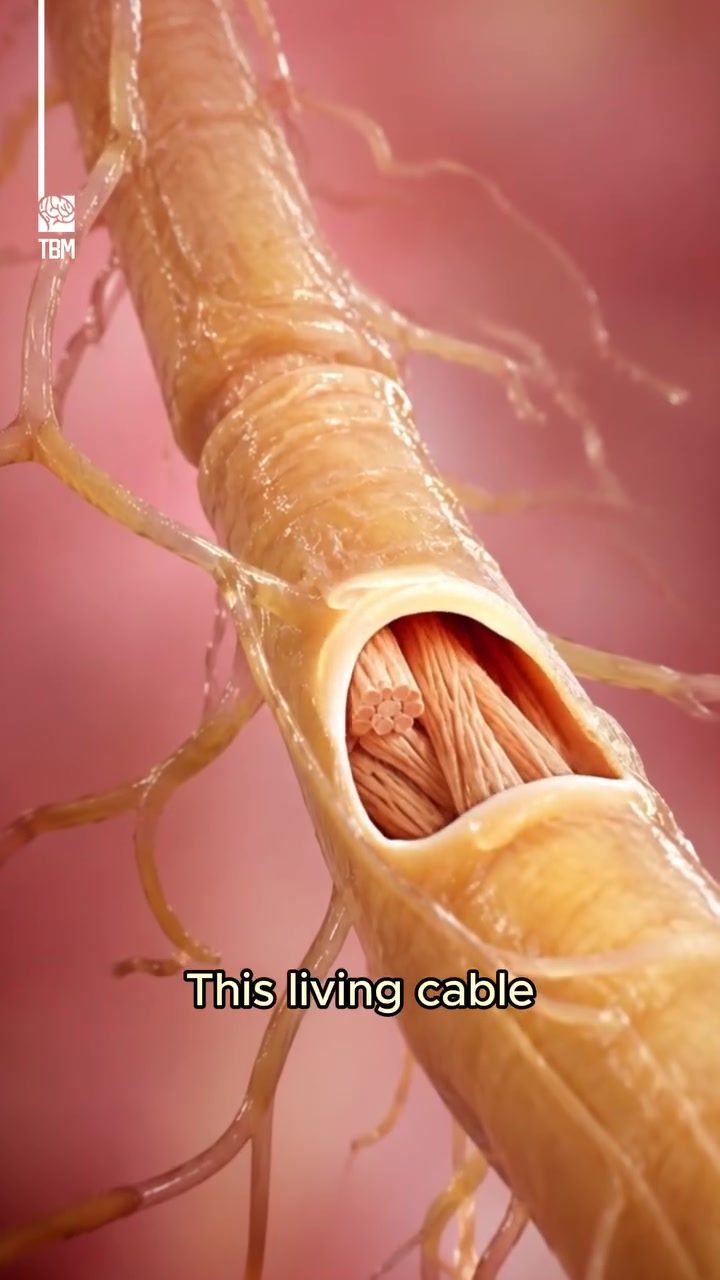
The Nervous System: Your Body's Communication Network
Your nerves are the living wires that enable your body to function seamlessly. These intricate pathways carry electrical signals throughout your body, ensuring that your heart, lungs, muscles, and organs work in harmony. They also manage your senses, converting touch, pain, temperature, sound, sight, and movement into messages that your brain can interpret. Understanding how your nervous system operates provides a fascinating look into the body's complex communication network.
Why This Matters
The nervous system is crucial for your body's survival and daily functions. It controls voluntary actions like walking and talking, as well as involuntary processes such as digestion and heart rate. When something goes wrong with this system, it can lead to a variety of health issues, from minor discomforts to severe conditions. Knowing how the nervous system works can help you appreciate its importance and take steps to maintain its health.
The Structure and Function of Nerves
The Building Blocks
Nerves are not just simple wires; they are composed of many tiny nerve fibers bundled together. Each of these fibers is part of a nerve cell called a neuron. The long section of the neuron, known as the axon, is where messages travel. This structure is essential for transmitting signals quickly and efficiently throughout your body.
How Messages Travel
Messages travel through your nerves with the help of insulation. Just like electrical wires, your nerve fibers have a protective layer that ensures messages move swiftly and without interference. When your brain wants to move a muscle, or when your skin detects heat, pressure, or pain, tiny electrical impulses race along these fibers. At the end of the nerve, chemical signals pass the message to the next cell, enabling your body to sense, react, move, and survive almost instantly.
The Role of Neurons
Neurons are the fundamental units of the nervous system. They are specialized cells designed to transmit information to other nerve cells, muscles, or glands. The axon, which is part of the neuron, acts as a conduit for electrical signals. These signals are essential for communication within the nervous system, ensuring that your body can respond to stimuli and maintain its functions.
The Spinal Cord and Brain Connection
The spinal cord is a critical component of the nervous system, acting as the main communication pathway between the brain and the rest of the body. It is responsible for transmitting signals from the brain to the muscles and organs, and vice versa. The close-up visuals of the nerve fibers and their pathways illustrate how messages travel from the brain to the muscles, enabling movement and survival.
Rapid Communication for Movement and Survival
The rapid communication within the nervous system is vital for movement and survival. When you need to react quickly, such as when you touch a hot surface, your nerves ensure that your muscles respond almost instantaneously. This quick reaction time is crucial for avoiding harm and maintaining your body's functions.
Practical Tips
Maintaining Nerve Health
Maintaining the health of your nervous system is essential for overall well-being. Here are some practical tips to keep your nerves in top condition:
- Balanced Diet: Eat a diet rich in nutrients that support nerve health, such as vitamin B12, vitamin E, and omega-3 fatty acids.
- Regular Exercise: Engage in regular physical activity to improve blood circulation and overall nerve function.
- Adequate Sleep: Ensure you get enough sleep, as it allows your body to repair and regenerate nerve tissues.
- Limit Alcohol and Avoid Smoking: Both alcohol and smoking can damage nerves, so it's best to limit or avoid them.
Recognizing Signs of Nerve Issues
Being aware of the signs of nerve issues can help you seek timely medical attention. Common symptoms include:
- Numbness or Tingling: These sensations can indicate nerve damage or compression.
- Muscle Weakness: If you experience muscle weakness or difficulty moving, it could be a sign of nerve problems.
- Pain or Discomfort: Nerve issues can cause pain or discomfort, which may worsen over time.
Important Takeaways
- Nerves are living wires that carry electrical signals through your body, enabling communication and function.
- The nervous system is composed of neurons, which transmit messages through axons.
- Rapid communication within the nervous system is essential for movement and survival.
- Maintaining nerve health involves a balanced diet, regular exercise, adequate sleep, and limiting harmful substances.
Conclusion
Your nervous system is a remarkable network of living wires that ensures your body functions efficiently. Understanding how nerves communicate and what supports their health can help you appreciate the complexity and importance of this system. By taking care of your nerves, you can support your overall health and well-being.
Watch the Reel
Questions readers ask
How do nerves function as the body's communication network?
Nerves act as living wires, transmitting electrical signals between the brain and various parts of the body. These signals enable the brain to receive and respond to sensory information while also controlling movements and organ functions. This intricate network ensures the body's systems work harmoniously.
What are the primary roles of the nervous system?
The nervous system plays a crucial role in both voluntary and involuntary actions. It controls movements like walking and talking, and manages automatic processes such as digestion, and heart rate. Additionally, it manages sensory information, converting touch, pain, temperature, sound, sight, and movement into interpretable messages for the brain.
How do signals travel through the nervous system?
Signals travel through the nervous system via nerve fibers, which carry electrical impulses from one part of the body to another. These impulses are sent from the brain to muscles to facilitate movement, and from sensory receptors to the brain to convey sensory information. This process ensures rapid and precise communication throughout the body.
What is the role of nerves in sensory perception?
Nerves are essential for converting sensory information into messages that the brain can understand. They transmit signals related to touch, pain, temperature, sound, sight, and movement, allowing the brain to interpret and respond to the environment. This process is vital for both immediate reactions and long-term adaptability.
How does the brain communicate with muscles to facilitate movement?
The brain sends electrical signals through motor nerves to muscle fibers, instructing them to contract or relax. This process enables precise and coordinated movement, from simple tasks like lifting a finger to complex actions like dancing. The brain's ability to send clear signals ensures that movements are executed accurately and efficiently.
What happens when there is an issue with the nervous system communication?
When the nervous system's communication is disrupted, it can lead to a range of issues, from minor problems like tingling or numbness to more serious conditions like paralysis or organ dysfunction. These disruptions can affect both voluntary and involuntary functions, highlighting the nervous system's critical role in maintaining overall health and well-being.
How does the nervous system process pain signals?
Pain signals are transmitted through specialized nerve fibers that detect tissue damage or potential harm. These signals travel to the spinal cord and then to the brain, where they are processed and interpreted. This process allows the body to respond to pain by initiating protective reflexes and prompting a conscious response to remove or mitigate the source of pain.
Related deep dives
Similar reads based on topic and creator.




Recent articles
Fresh deep dives from the latest Reels we unpacked.




Comments
Be the first to comment.