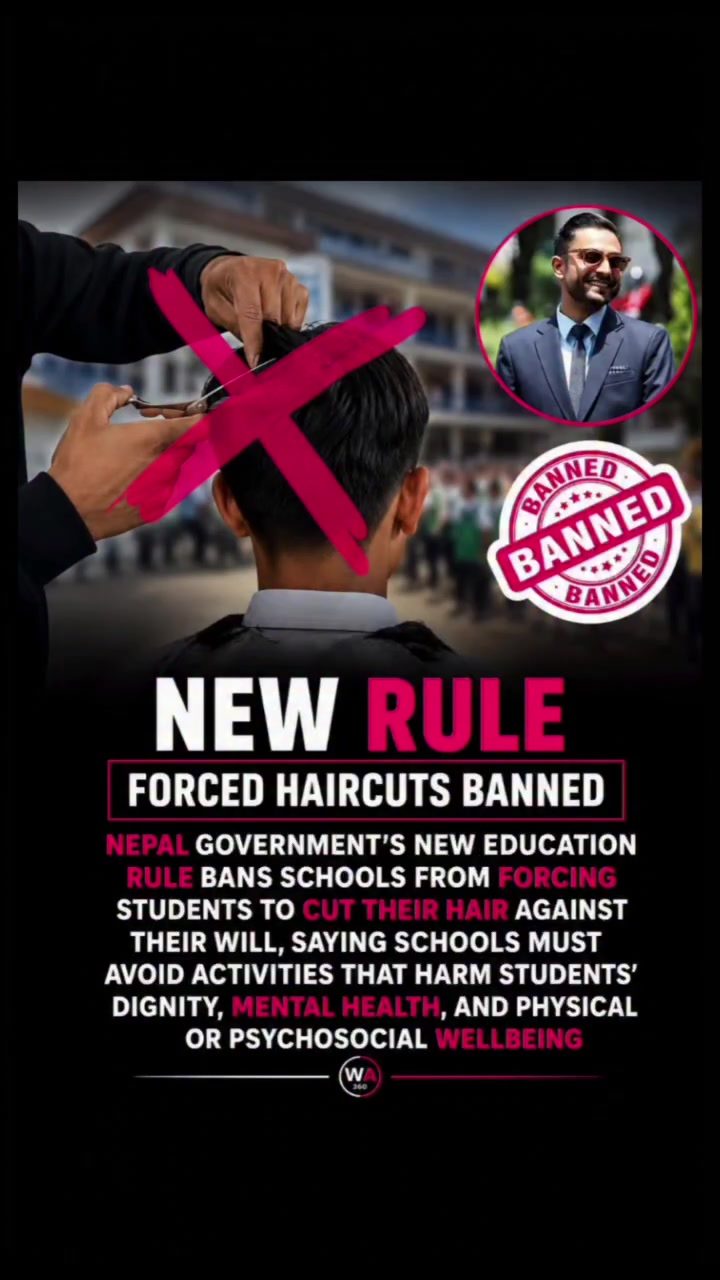
Nepal Bans Forced Haircuts in Schools: Prioritizing Student Dignity and Wellbeing
Nepal has implemented a significant change in its education policy by banning schools from forcing students to cut their hair. This new rule underscores the importance of maintaining a learning environment that respects students' dignity, mental health, and overall wellbeing.
Context
This policy shift in Nepal is a response to longstanding practices that have often compromised students' personal freedoms and emotional wellbeing. By prohibiting forced haircuts, Nepal is taking a stand against practices that can be humiliating and detrimental to a student's sense of self.
Main Discussion
The Impact of Forced Haircuts
Forced haircuts in schools have historically been justified under the guise of discipline and uniformity. However, this practice can have severe psychological and emotional impacts on students. It can lead to feelings of humiliation, loss of personal identity, and even mental health issues. The new rule in Nepal aims to mitigate these negative effects by promoting a more respectful and inclusive school environment.
The New Rule: Promoting Dignity and Wellbeing
Nepal's new education rule is more than just about haircuts; it is about ensuring that schools avoid any activities that harm students' dignity, mental health, and physical or psychosocial wellbeing. This rule emphasizes that discipline should inspire growth and personal development, not fear or humiliation. It is a fundamental shift that prioritizes the holistic development of students.
The Role of Schools in Shaping Young Minds
Schools play a pivotal role in shaping the minds and personalities of young individuals. The environment within schools can significantly influence a student's self-esteem, emotional wellbeing, and overall development. By banning forced haircuts, Nepal is reinforcing the idea that educational institutions should be places where students feel valued, respected, and empowered.
Practical Tips
For educational institutions looking to follow Nepal's example, here are some practical tips:
- Encourage Student Involvement: Involve students in decision-making processes related to school policies. This not only empowers them but also ensures that their voices are heard and considered.
- Promote Inclusivity: Foster an inclusive environment where diversity is celebrated. This includes respecting students' personal choices, such as their hairstyles, as long as they do not interfere with school safety and hygiene standards.
- Focus on Positive Discipline: Implement discipline practices that focus on growth and personal development rather than punishment. Positive reinforcement and constructive feedback can be more effective in promoting good behavior.
- Provide Support Systems: Ensure that students have access to mental health support systems. This can include counselors, support groups, and awareness programs that help students cope with emotional and psychological challenges.
Important Takeaways
- School policies should be designed to promote dignity, respect, and personal freedom.
- Forced practices that compromise students' mental health and wellbeing should be avoided.
- Schools have a crucial role in shaping young minds and must prioritize students' rights and emotional wellbeing.
- Positive discipline and inclusive environments are key to fostering a healthy learning atmosphere.
Conclusion
Nepal's decision to ban forced haircuts in schools is a significant step towards creating a more respectful and empowering educational environment. By prioritizing students' dignity and wellbeing, Nepal is setting an example for other countries to follow. This policy change underscores the importance of promoting growth and personal development in schools, ensuring that every student can learn in an environment built on respect and personal freedom.
Watch the Reel
Questions readers ask
Why did Nepal implement a policy banning forced haircuts in schools?
Nepal banned forced haircuts in schools to promote a learning environment that values personal freedoms, emotional health, and respect for all students, and to combat practices that might humiliate or harm students' sense of self.
How does the new policy in Nepal aim to foster a more inclusive learning environment?
By prohibiting enforced haircuts, Nepal's new policy encourages schools to prioritize students' dignity, mental health, and overall wellbeing, thereby fostering a more inclusive and respectful atmosphere for learning.
What are the potential benefits of this policy change for students in Nepal?
The policy change can lead to improved mental health, enhanced self-esteem, and a more positive learning experience. It also helps reduce the risk of emotional distress and physical discomfort associated with forced haircuts.
How does this policy address the psychosocial wellbeing of students?
By removing the requirement for forced haircuts, the policy helps students maintain a sense of autonomy and personal identity, contributing to better emotional and social development.
What was the rationale behind schools enforcing haircuts in the past?
Historically, schools have enforced haircuts under the premise of maintaining uniformity or hygiene, but these practices often overlooked the potential negative impact on students' emotional and physical wellbeing.
How can parents and guardians support this new policy in Nepal?
Parents and guardians can support the new policy by advocating for student rights, engaging with school administrations to ensure compliance, and encouraging open dialogue with their children about personal freedoms and emotional wellbeing.
What role do schools play in implementing this new policy effectively?
Schools should adopt clear guidelines, provide training to staff, and foster an environment where students feel comfortable expressing their personal preferences and concerns. This approach will ensure that the policy is implemented with respect and sensitivity.
Related deep dives
Similar reads based on topic and creator.




Recent articles
Fresh deep dives from the latest Reels we unpacked.




Comments
Be the first to comment.