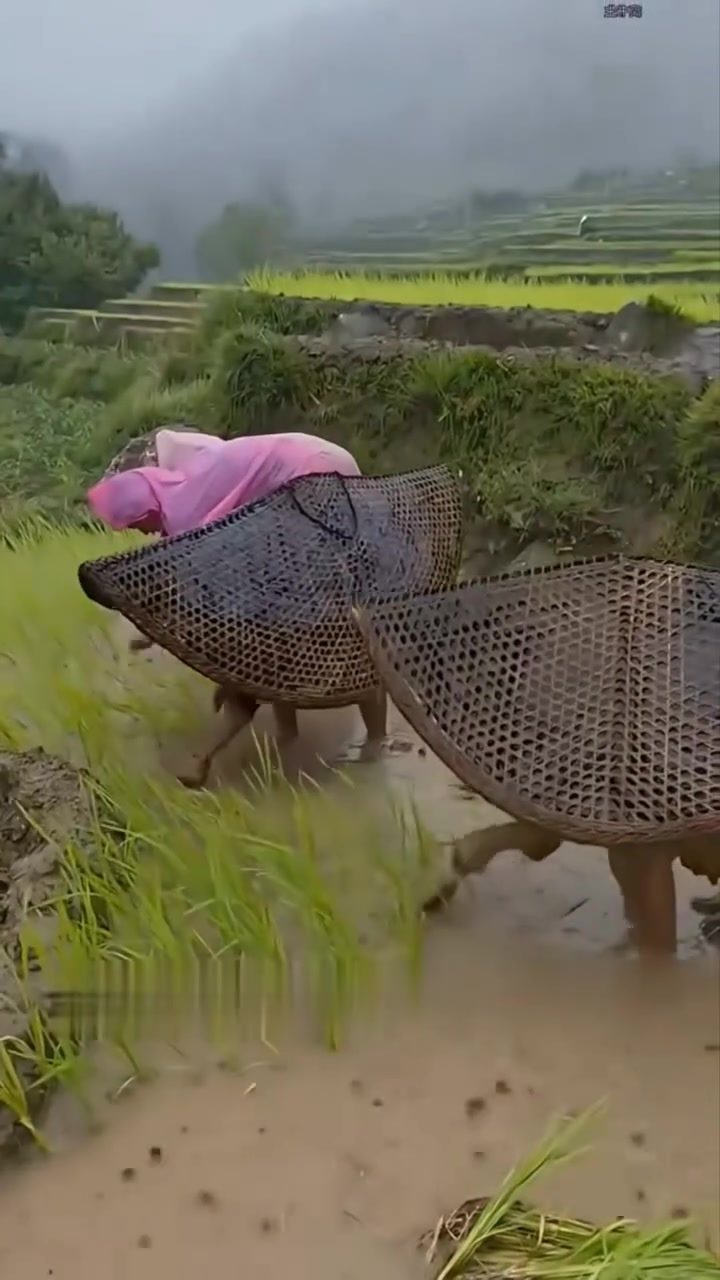
Traditional Rain Hat
The giant traditional rain hat, known as the apeng, is an essential tool for farmers, particularly in Nepal. It keeps farmers dry while working in heavy rain. This hat is more than just a simple piece of leafy material; it's a cleverly designed piece of equipment that has practical use and cultural significance.
Why This Matters
Understanding the design and utility of the apeng hat provides insights into sustainable and practical tools used in agriculture. These tools are not only functional but also reflect the ingenuity of communities that rely on them for daily life.
The Design of the Apeng Hat
The apeng hat is built from a bamboo and straw frame, which is then covered with thick banana leaves and natural plant fibers. This construction provides an effective barrier against heavy rain, keeping the wearer's body completely dry. The design ensures that even while bending over to transplant rice, the hat stays firmly in place, leaving both hands free to work. This design makes it an essential tool for farmers who need to work efficiently in wet conditions.
Uses of the Apeng Hat
The apeng hat is not limited to agricultural work; it is also used for everyday travel. Locals find it incredibly practical for navigating through rain and other harsh weather conditions. Its durability and effectiveness make it a go-to item for many daily activities.
Overview of the Oversized Woven Basket
In addition to the apeng hat, another essential tool is the oversized woven basket. These baskets are used for carrying various items such as grass, firewood, and market supplies. In regions where resources are limited, these simple traditional tools remain incredibly practical and are still a vital part of daily life.
Practical Tips for Using Traditional Tools
When using traditional tools like the apeng hat and woven baskets, consider the following tips:
- Maintenance: Regularly check the condition of the banana leaves and plant fibers on the apeng hat to ensure they are secure and intact. Replace any damaged parts to maintain its effectiveness.
- Storage: Store the apeng hat in a dry place to prevent mold and deterioration. Proper storage will extend the life of the hat.
- Versatility: Use the oversized woven basket for a variety of tasks beyond carrying grass and firewood. It's versatile enough to be used for market supplies, gardening tools, and more.
- Durability: These tools are designed to be durable, but handle them with care to ensure they last for a long time. Regular maintenance will help keep them in good condition.
Important Takeaways
- The apeng hat is a traditional rain hat made from a bamboo and straw frame, covered with banana leaves and natural plant fibers.
- It keeps farmers dry while working in heavy rain and stays firmly in place, allowing for efficient work.
- The hat is also used for everyday travel, making it a versatile tool.
- Oversized woven baskets are essential for carrying grass, firewood, and market supplies.
- These traditional tools are practical and durable, reflecting the ingenuity of communities that rely on them.
Conclusion
The apeng hat and oversized woven baskets are more than just tools; they are symbols of the practical ingenuity and resilience of farming communities. These traditional tools have stood the test of time and continue to be vital in daily life. Understanding and appreciating these tools can provide valuable insights into sustainable and practical solutions for modern challenges.
Watch the Reel
Questions readers ask
What materials are used to make a traditional Nepalese rain hat?
Traditional Nepalese rain hats, known as apeng hats, are crafted from a combination of bamboo, straw, and plant fibers. The frame is constructed from bamboo and straw, which is then covered with thick banana leaves and natural plant fibers to create a durable and effective rain barrier.
How does the design of the apeng hat help farmers in Nepal?
The apeng hat's design is specifically tailored to keep farmers dry during heavy rain while allowing them to work with their hands free. Its large size and sturdy construction, made from bamboo, straw, and plant fibers, provides comprehensive coverage and protects the wearer from rain.
Can the apeng hat be used for purposes other than farming?
While the apeng hat is essential for farmers, its practical design makes it suitable for daily use beyond farming. The hat's ability to keep the wearer dry and comfortable in heavy rain makes it a versatile piece of rain gear for various outdoor activities.
What is the cultural significance of the apeng hat in Nepal?
The apeng hat holds significant cultural importance in Nepal, reflecting the ingenuity and resourcefulness of local communities. It is a traditional tool that has been used for over a century, showcasing the sustainable practices and practical solutions developed by Nepalese farmers.
How does the apeng hat stay on the wearer's head during work?
The apeng hat is designed to stay securely on the wearer's head even during rigorous physical activities. Its large size and sturdy construction, along with the natural materials used, ensure that it remains in place while farmers work in the fields, providing consistent protection from the rain.
What makes the apeng hat effective in heavy rain?
The apeng hat is effective in heavy rain due to its large size, which provides ample coverage, and its construction from thick banana leaves and natural plant fibers. These materials are durable and repel water, ensuring the wearer stays dry even in the most intense downpours.
How has the design of the apeng hat endured for over a century?
The enduring design of the apeng hat can be attributed to its practicality and effectiveness. Crafted from locally available materials and designed to meet the specific needs of farmers, the apeng hat has proven to be a reliable tool that has stood the test of time, continuing to be used by generations of Nepalese farmers.
Related deep dives
Similar reads based on topic and creator.



Recent articles
Fresh deep dives from the latest Reels we unpacked.




Comments
Be the first to comment.