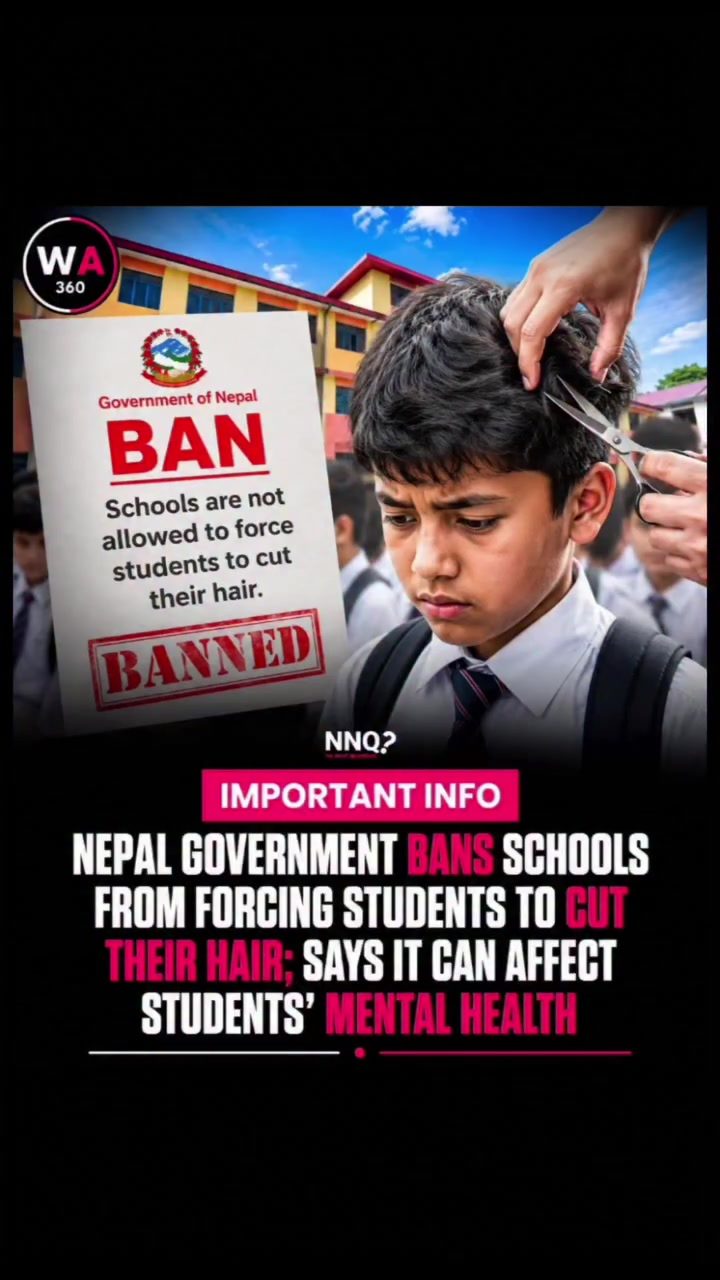
Nepal's Haircut Ban: A Step Towards Student Rights and Mental Health
In a significant move towards promoting dignity and respect in educational settings, Nepal has implemented a new rule banning schools from forcing students to cut their hair. This policy is a critical step in ensuring that students learn in an environment that values personal freedom and emotional well-being. By prohibiting enforced haircuts, Nepal aims to create a more supportive and empowering educational experience for all students.
Context: The Importance of Personal Freedom in Schools
The ban comes as a response to concerns about the negative effects of forced haircuts on students' mental health, dignity, and overall well-being. Schools often impose uniform policies, including haircut regulations, to maintain order and uniformity. However, these policies can sometimes overlook the emotional and psychological impact on students. For instance, forcing a student to cut their hair against their will can lead to feelings of humiliation, loss of identity, and even mental health issues.
The new rule underscores the importance of balancing discipline with respect for students' personal freedoms. By acknowledging the potential harm caused by enforced haircuts, Nepal's government is setting a precedent for other countries to follow. It emphasizes that while discipline is essential, it should never come at the expense of a student's dignity or emotional well-being.
Main Discussion
The Impact of Enforced Haircuts on Students
Enforced haircuts can have profound effects on students' mental and emotional health.
Psychological Impact
Forced haircuts can lead to feelings of:
- Humiliation: Being forced to cut one's hair can make students feel embarrassed and disrespected.
- Loss of Identity: Hair is often a significant part of a person's identity and self-expression. Removing the choice to style it can lead to a sense of loss.
- Anxiety and Stress: The constant fear of being singled out or punished for not conforming to dress codes, including hair length, can cause chronic stress and anxiety.
These psychological impacts can have long-lasting effects on a student's self-esteem and mental health. By removing the requirement for enforced haircuts, Nepal's new rule aims to alleviate these pressures and create a more supportive learning environment.
Societal Impact
The societal impact of Nepal's ban goes beyond individual students. It sends a message to other countries and educational institutions about the importance of respecting students' personal freedoms and identities. By taking this step, Nepal is promoting a cultural shift towards greater empathy and understanding in educational settings.
The Broader Message: Discipline and Empowerment
The ban on forced haircuts aligns with a broader message about the role of discipline in schools. Discipline should inspire growth and self-improvement, not fear or humiliation. Schools are vital in shaping young minds, and the way they enforce rules can significantly impact students' attitudes and behaviours.
By promoting respect and emotional well-being, Nepal is reinforcing the idea that education should empower, not intimidate. This approach encourages a more positive and supportive learning environment where students feel valued and respected. It shifts the focus from punishment and control to growth and development.
The Role of Schools in Protecting Students' Rights
Schools play a critical role in protecting students' rights and promoting their well-being. By enforcing policies that respect students' personal freedoms and dignity, schools can create a more inclusive and supportive environment. This includes not only haircut policies but also broader issues related to dress codes, personal expression, and emotional support.
Practical Tips for Implementing Student-Friendly Policies
For schools and educational institutions looking to implement similar policies, here are some practical tips:
Review Existing Policies
- Assess Current Rules: Review existing dress codes and discipline policies to ensure they align with the principles of dignity, respect, and personal freedom.
- Seek Student Input: Involve students in the decision-making process by surveying their opinions and concerns. This can help create policies that are more inclusive and respectful of students' needs.
Promote a Supportive Environment
- Emphasize Respect and Empathy: Create a school culture that values respect, empathy, and emotional well-being. Encourage teachers and staff to model these values in their interactions with students.
- Provide Emotional Support: Offer resources and support for students who may be struggling with mental health issues. This can include counseling services, support groups, and mental health awareness programs.
Foster a Culture of Growth and Development
- Focus on Positive Reinforcement: Use positive reinforcement to encourage good behavior rather than relying solely on punishment. This can help students feel valued and motivated to succeed.
- Encourage Self-Expression: Promote an environment where students feel free to express themselves creatively and individually. This can include allowing for personal expression in dress codes and hairstyles.
Important Takeaways
Nepal's ban on forced haircuts is a significant step towards creating a more supportive and empowering educational environment. By acknowledging the importance of personal freedom, dignity, and emotional well-being, Nepal is setting a precedent for other countries to follow.
For educational institutions, it's crucial to review existing policies and promote a culture of respect and empathy. By doing so, schools can create a more inclusive and supportive environment where students feel valued and respected.
Conclusion
The ban on enforced haircuts in Nepal's schools highlights the importance of respecting students' personal freedoms and emotional well-being. It sends a clear message about the role of discipline in education and the need to create a supportive learning environment. By promoting respect, dignity, and personal freedom, Nepal is taking a crucial step towards ensuring that every student has the opportunity to learn in an environment that values their well-being.
This policy not only benefits individual students but also sets a broader example for other countries and educational institutions. By prioritizing the emotional and psychological health of students, Nepal is paving the way for a more empathetic and supportive educational system.
Watch the Reel
Questions readers ask
Why did Nepal implement a ban on schools forcing students to cut their hair?
The Nepalese government banned schools from enforcing haircuts to promote student well-being and dignity. This policy addresses concerns about the emotional and psychological impacts of forced haircuts, aiming to create a more supportive and empowering environment for students.
How does the haircut ban in Nepal support student rights?
The ban supports student rights by prioritizing personal freedom and respecting students' individuality. It sends a clear message that students' autonomy and dignity should be valued, helping to foster a more inclusive and respectful school environment.
What are the potential mental health impacts of enforcing haircut rules in schools?
Enforcing haircut rules can negatively impact students' mental health by causing stress, anxiety, and feelings of humiliation. By banning forced haircuts, Nepal aims to mitigate these issues and promote a more positive and supportive environment for students' emotional well-being.
Who does the Nepal school haircut policy affect?
The policy affects all students in Nepal, particularly those who have experienced or may experience emotional distress due to enforced haircut rules. It also impacts schools, which must now adhere to the new policy and promote a more respectful and supportive environment.
How does the haircut ban align with Nepal's approach to mental health in schools?
The ban aligns with Nepal's approach to mental health in schools by addressing a source of emotional and psychological stress. It demonstrates the government's commitment to creating supportive environments that prioritize students' overall well-being.
What steps should schools take to comply with the new haircut policy in Nepal?
Schools should review and update their uniform policies to remove any enforced haircut requirements. They should also promote a culture of respect and understanding, encouraging students to express their individuality within reasonable guidelines.
Related deep dives
Similar reads based on topic and creator.

Recent articles
Fresh deep dives from the latest Reels we unpacked.




Comments
Be the first to comment.